Skip to content Skip to footer

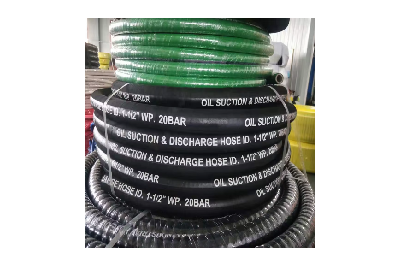
OIL SUCTION HOSES

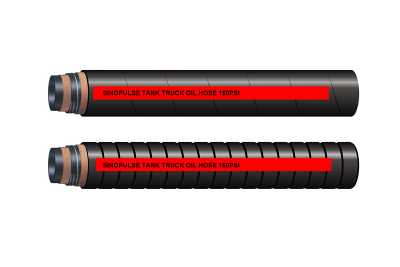
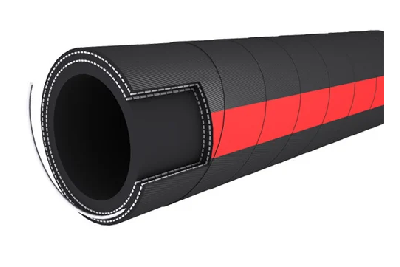
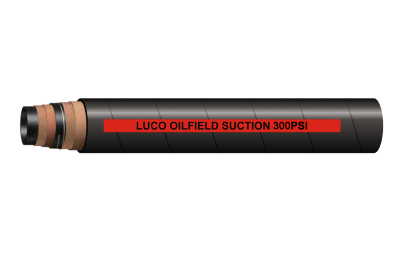
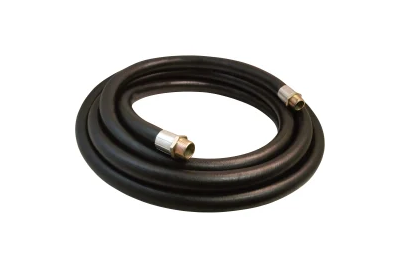
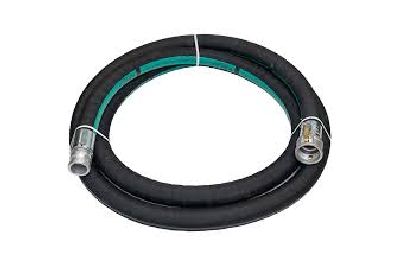
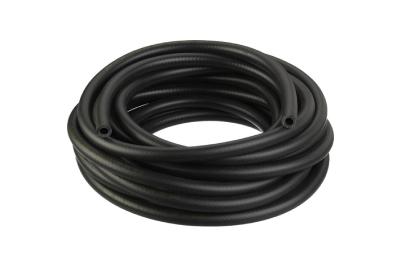
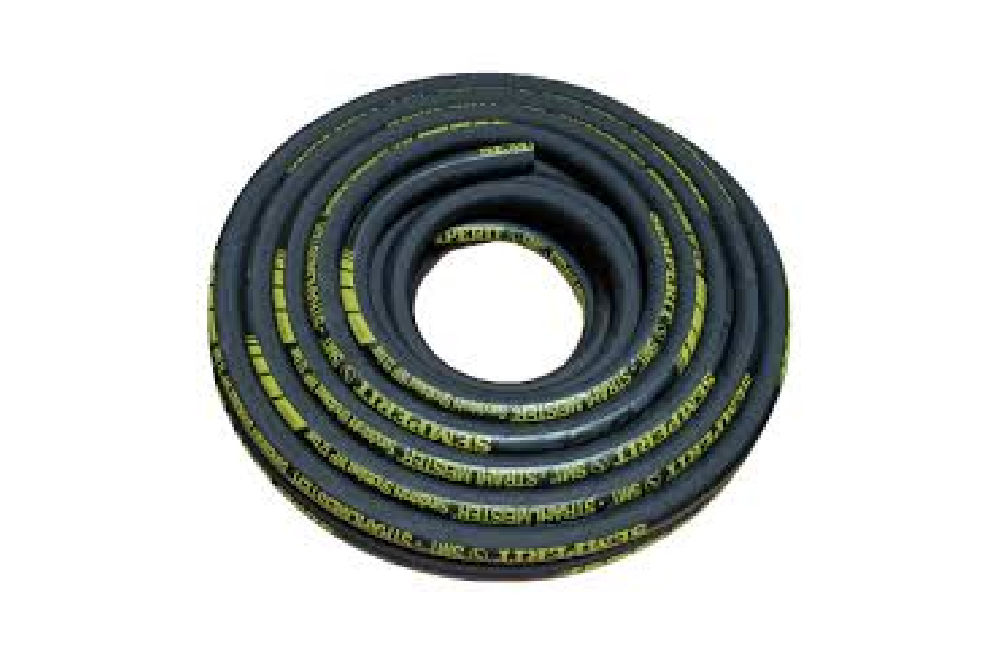
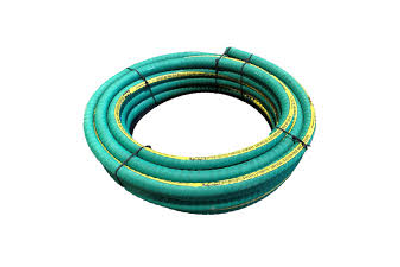
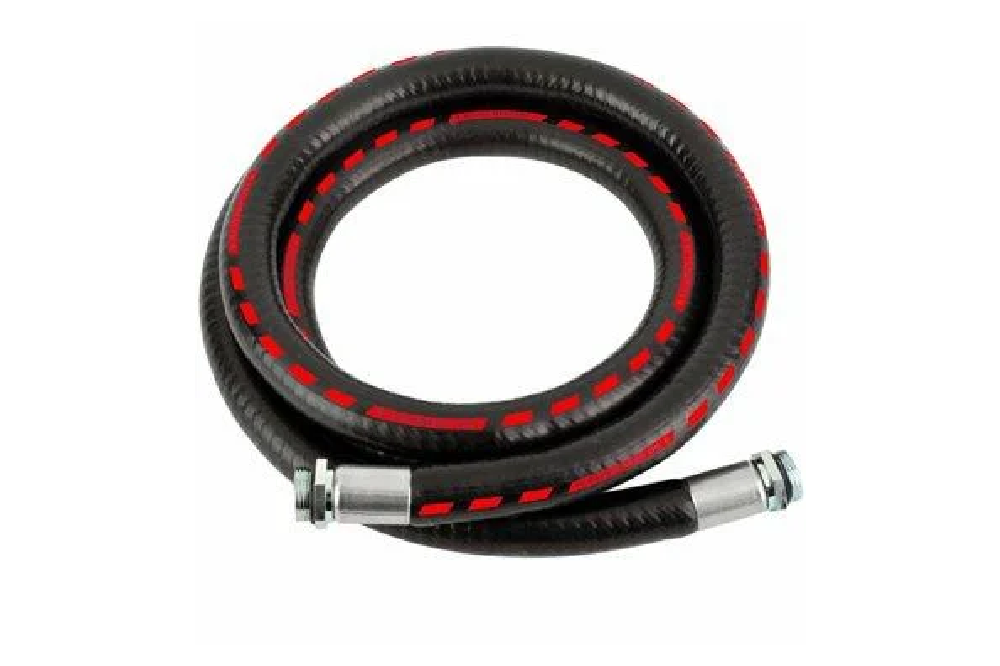
An oil suction hose is a heavy-duty, flexible hose designed specifically for transferring petroleum-based products such as crude oil, diesel, gasoline, and lubricating oils. It is commonly used to draw fluids from storage tanks, drums, or underground sources, often operating under vacuum or negative pressure conditions. To prevent collapse during suction, these hoses are reinforced with high-strength textile or steel wire layers. Oil suction hoses are manufactured using oil- and fuel-resistant rubber compounds that protect against corrosion, abrasion, and chemical attack. Widely used in refineries, fuel depots, workshops, marine operations, and industrial facilities, they ensure safe, reliable, and efficient transfer of petroleum products.

FUEL SUCTION HOSES

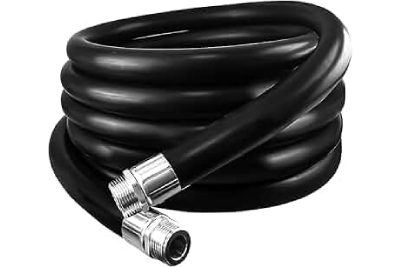
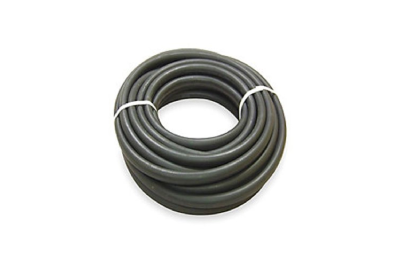
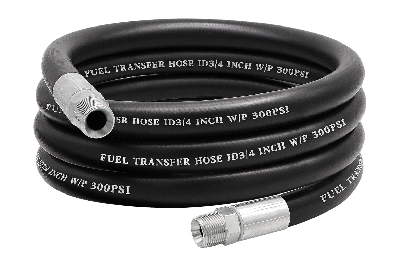
A fuel hose is a flexible conduit designed to safely transport flammable liquids or vapors such as gasoline, diesel, and oils in automotive, marine, and industrial applications. It is manufactured using specialized rubber or synthetic materials that resist fuel degradation, heat, pressure, and chemical attack. Fuel hoses are engineered to prevent leaks, withstand vibration, and minimize fuel permeation to ensure safety and efficiency. Reinforcement layers provide strength and durability under operating pressure. These hoses are commonly used in fuel delivery systems, engines, generators, and machinery. Properly designed fuel hoses help maintain reliable performance, reduce the risk of fire hazards, and comply with safety and environmental standards.

Petroleum suction hose

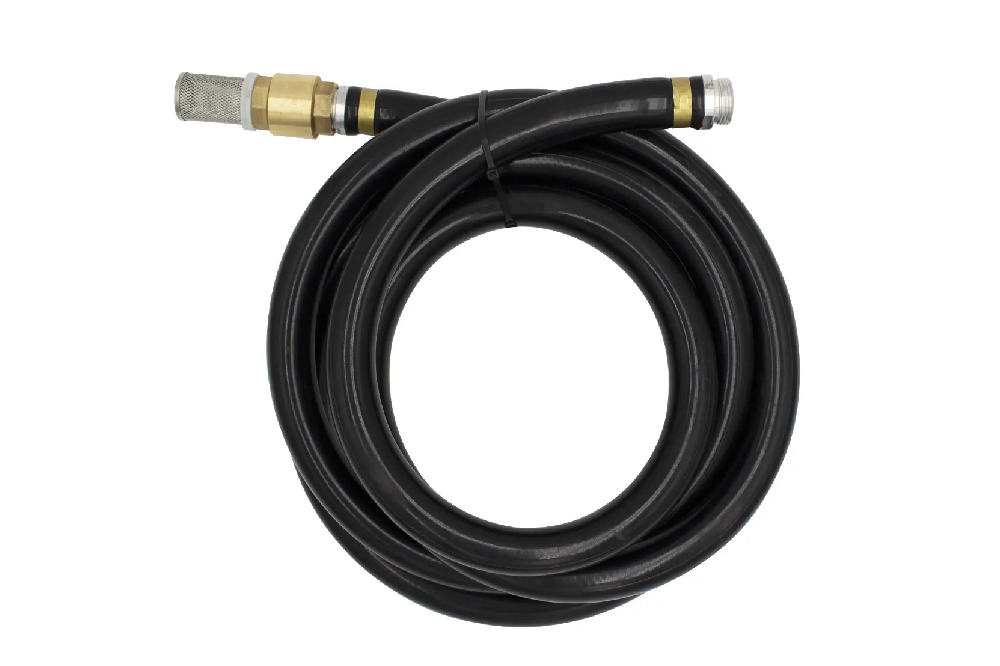
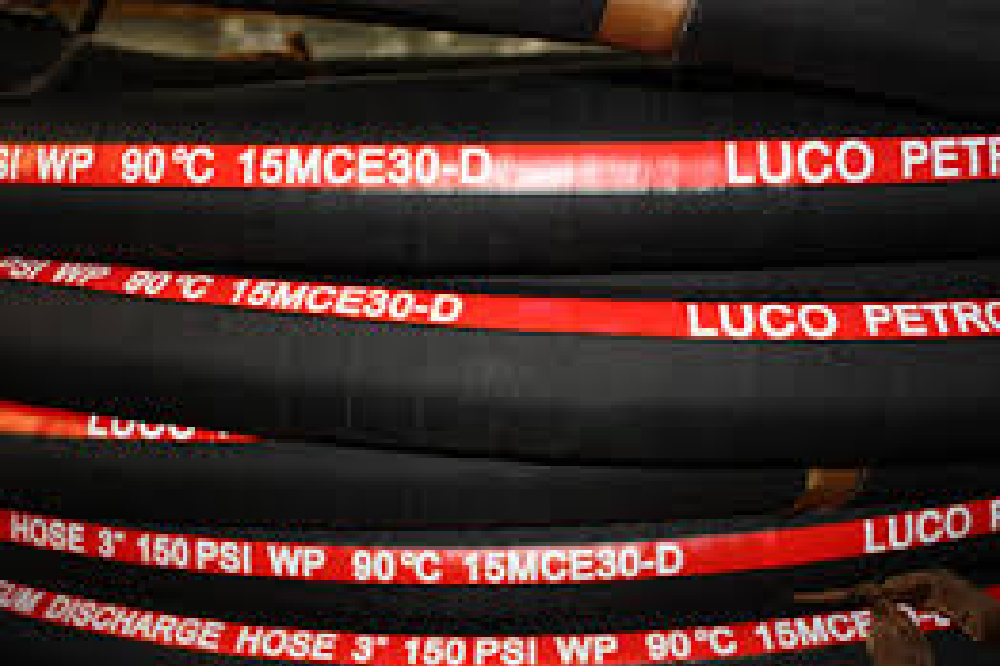
Petroleum suction hoses are specialized industrial hoses designed for drawing and transferring petroleum products such as gasoline, diesel, kerosene, and lubricating oils from tanks, tankers, or equipment. They are engineered to operate safely under suction and vacuum conditions without collapsing. These hoses are constructed using oil-resistant rubber compounds and reinforced with high-strength textile or steel wire layers to provide durability and pressure stability. Petroleum suction hoses also offer resistance to abrasion, weather, and chemical attack, ensuring long service life in demanding environments. Commonly used in refineries, fuel depots, marine operations, and industrial facilities, they provide safe, efficient, and reliable handling of petroleum-based fluids.

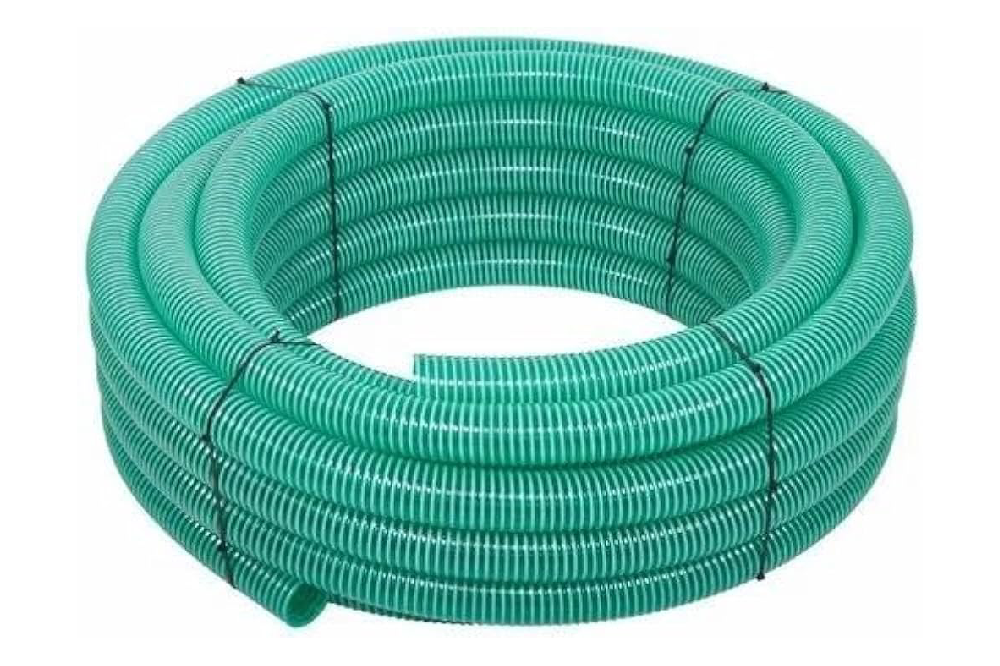
Water suction hose

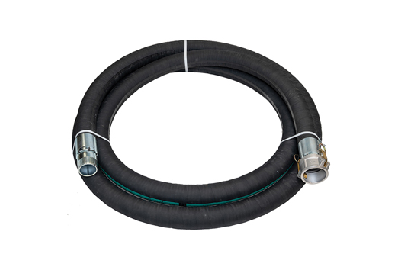
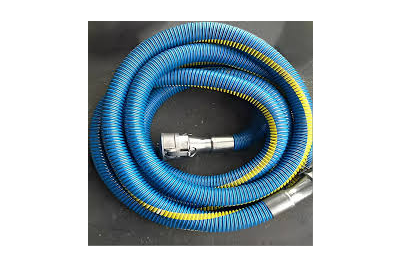
A water suction hose is a specialized, often semi-rigid hose designed to draw water or other non-corrosive fluids from unpressurized sources such as ponds, wells, rivers, or storage tanks, usually with the help of a pump. Unlike standard delivery hoses, water suction hoses are built to withstand vacuum conditions without collapsing. They feature strong reinforcement, commonly in the form of rigid PVC spirals or textile layers, to maintain their shape during operation. These hoses are widely used in agriculture, construction, firefighting, irrigation, and industrial pumping applications. Durable, flexible, and abrasion-resistant, water suction hoses ensure reliable fluid intake and efficient pump performance in demanding environments.

Nylon reinforced hose

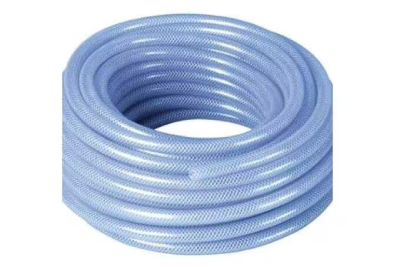
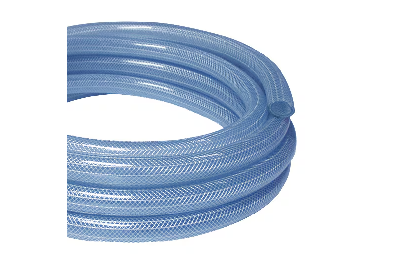
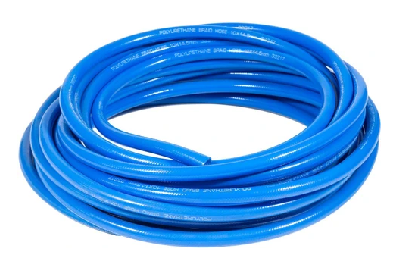
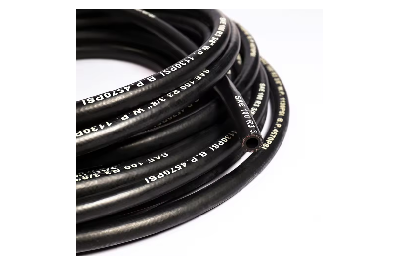
A nylon reinforced hose is a flexible tube constructed with an embedded nylon braid or fiber layer that significantly improves its strength, pressure resistance, and overall durability while maintaining flexibility. The nylon reinforcement allows the hose to withstand higher working pressures and reduces the risk of bursting or deformation during operation. These hoses are commonly used in automotive, agricultural, and general industrial applications for conveying air, water, oils, and a variety of compatible chemicals. Nylon reinforced hoses also offer good resistance to abrasion, vibration, and wear, ensuring reliable performance and long service life. Their lightweight design and versatility make them a practical choice for demanding fluid transfer applications.

Transparent wire reinforced hose

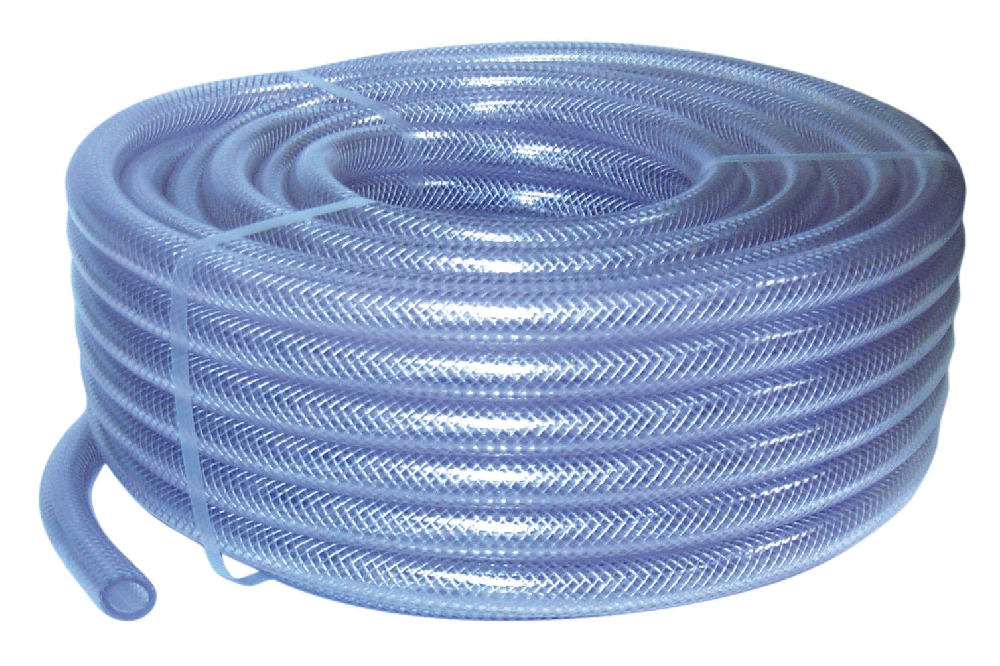
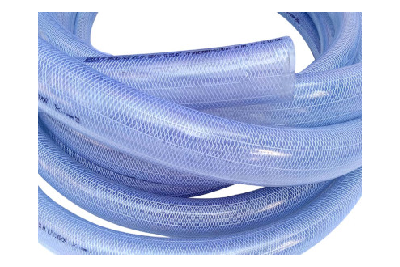
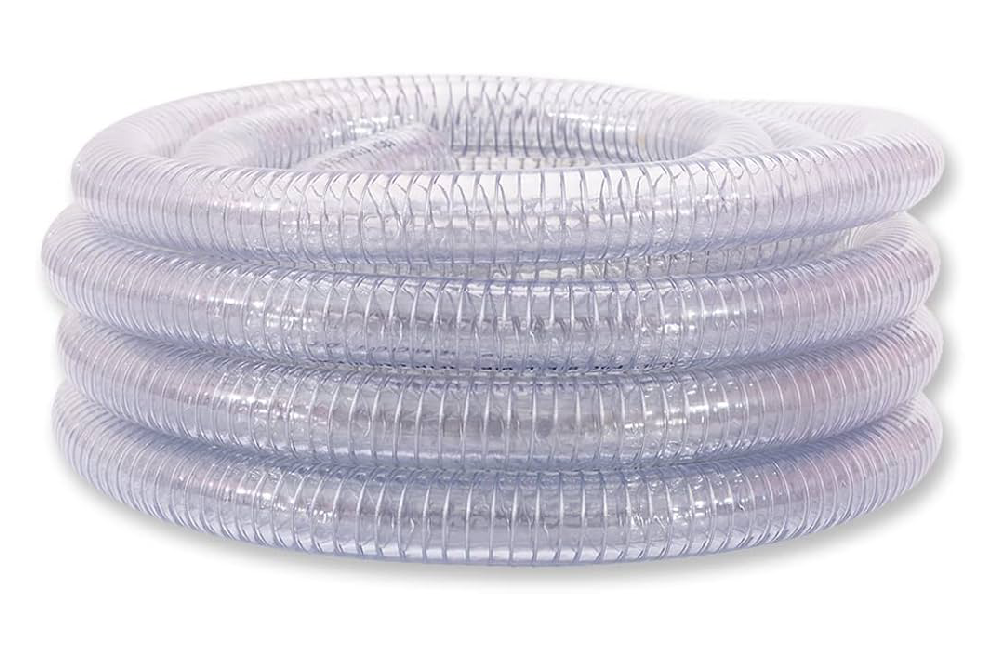
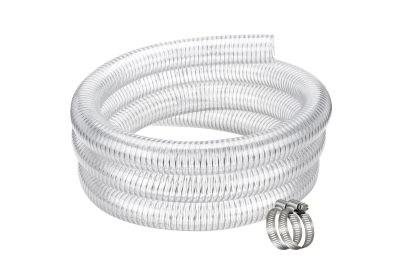
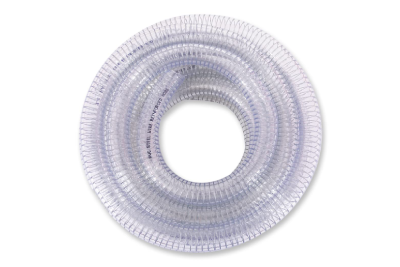
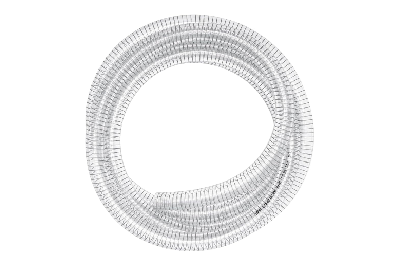
A transparent wire reinforced hose is a flexible PVC or vinyl tube featuring an embedded spiral steel wire helix within its wall, providing superior strength, crush resistance, and the ability to operate under full vacuum conditions. The internal wire reinforcement prevents collapse during suction and helps the hose maintain its shape even in demanding applications. Its clear, transparent construction allows easy visual inspection and monitoring of the material or fluid flowing through the hose, helping detect blockages or contamination quickly. These hoses are widely used for water transfer, chemicals, food processing, dust extraction, and industrial suction applications where durability, flexibility, and flow visibility are essential.

Air hose

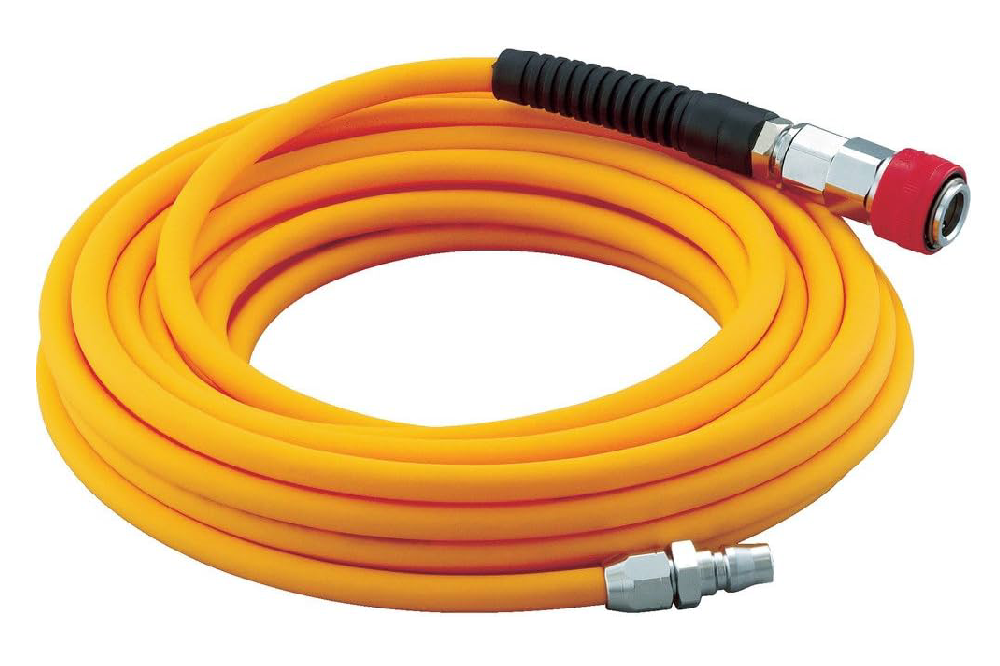
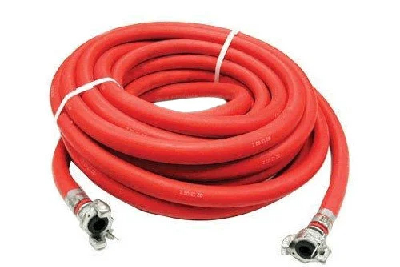
An air hose, also referred to as an airline or pneumatic tubing, is a flexible conduit designed to transport compressed air from a compressor to pneumatic tools, machinery, and equipment. These hoses are essential in industrial, commercial, and automotive applications, providing a reliable and safe connection for air-powered systems. Air hoses are manufactured from durable materials such as rubber, PVC, or polyurethane, offering high pressure resistance, abrasion resistance, and flexibility for easy handling and maneuverability. Reinforcements, like textile or wire braiding, improve strength and durability. Properly designed air hoses ensure consistent airflow, prevent leaks or bursts, and enable efficient operation of pneumatic tools and equipment.

Lay flat hose

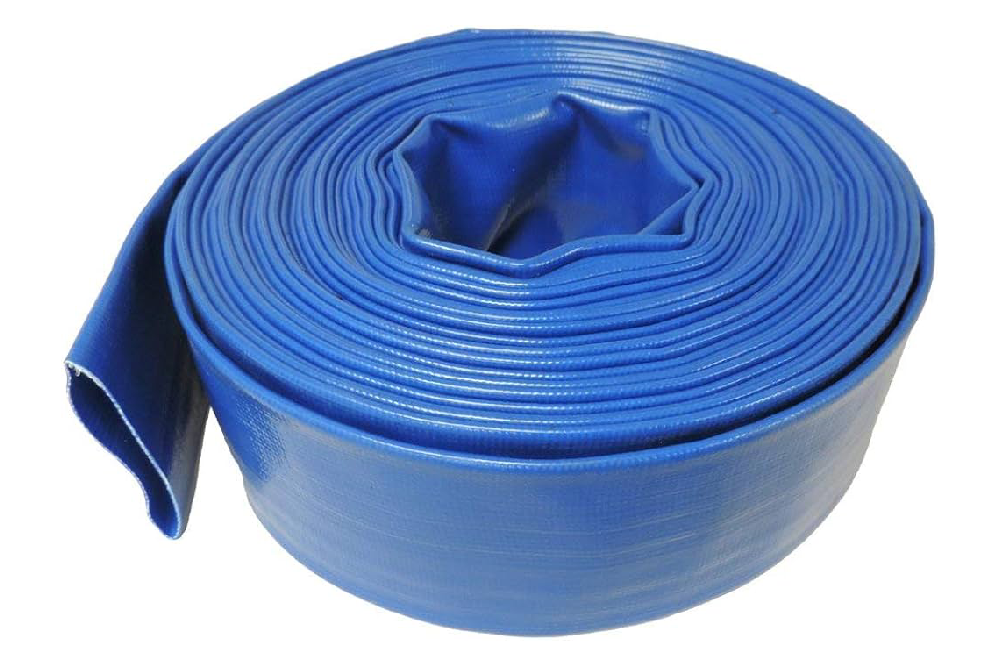
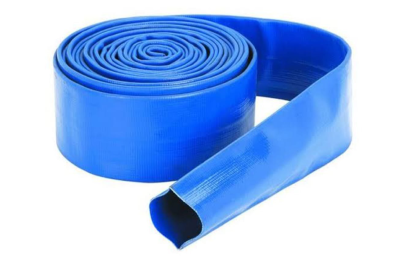
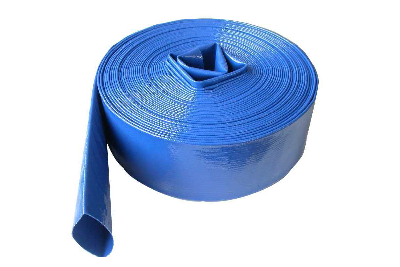
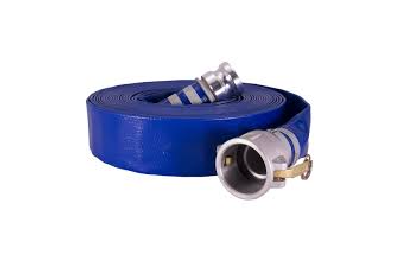
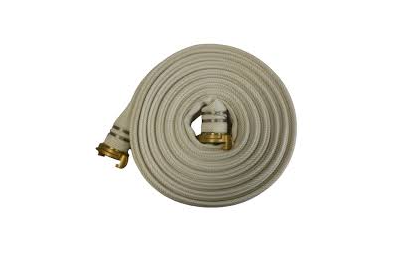
A lay flat hose is a flexible, collapsible hose designed to lie flat when not in use, allowing for compact storage and easy transport. Its lightweight construction and durable materials make it ideal for applications where portability and quick deployment are essential. Lay flat hoses are primarily used for water discharge, irrigation, dewatering at construction sites, flood control, and firefighting operations. They are typically made from reinforced PVC or polyester fabrics to provide strength, abrasion resistance, and pressure tolerance while remaining flexible. The hose’s ability to unroll easily and handle high flow rates efficiently makes it a practical and reliable solution for temporary or mobile fluid transfer needs.

FIRE HOSE

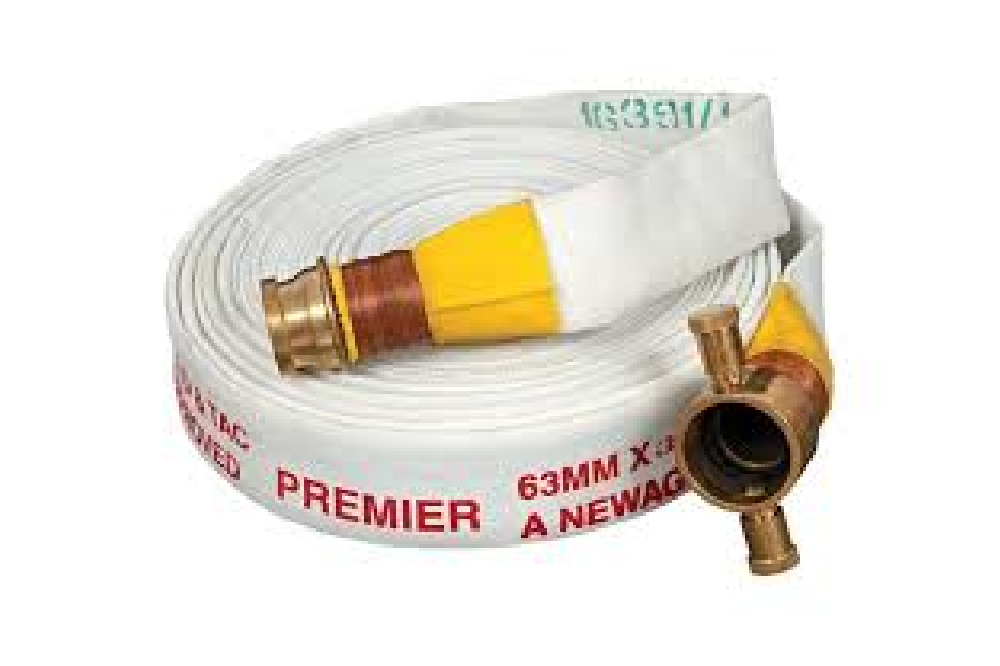
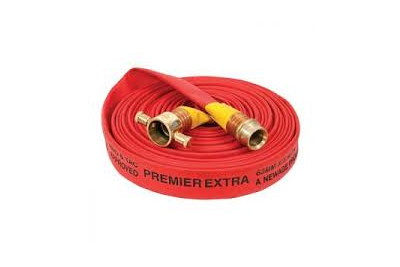
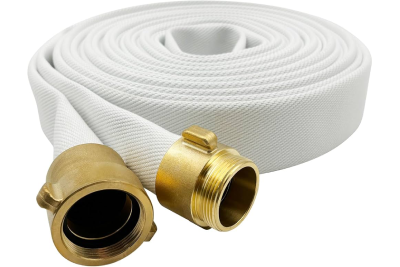
A fire hose is a high-pressure hose specifically designed to deliver water or other fire retardants to a fire source for effective extinguishing. Constructed from durable, high-strength materials such as synthetic fibers, rubber, or reinforced PVC, fire hoses are built to withstand extreme pressure, abrasion, and heat. They are available in various types and sizes to suit different applications, including municipal firefighting, industrial facilities, building sprinkler systems, and emergency response situations. Fire hoses may be designed for supply, attack, or booster functions, providing reliable water delivery, flexibility, and maneuverability. Their robust construction ensures long service life and dependable performance in critical firefighting operations.

Cement hose

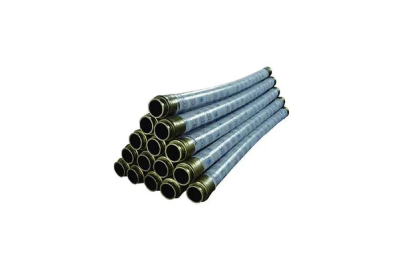
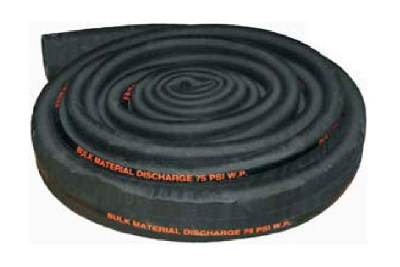
A cement hose is a heavy-duty industrial hose engineered for the safe and efficient transfer of highly abrasive materials such as wet concrete, cement powder, grout, and mortar. Constructed from durable, wear-resistant rubber or synthetic materials and reinforced with textile or steel layers, cement hoses are designed to withstand high internal pressures and the severe abrasion caused by abrasive and viscous media. They maintain flexibility and durability under continuous use in demanding environments. Widely used in construction, tunneling, and building projects, cement hoses ensure reliable material flow, reduce downtime, and protect equipment from damage, providing a safe and efficient solution for pumping and conveying cement-based materials.
Sand blast hose

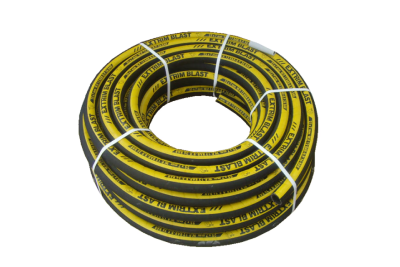
A sand blast hose, also known as a blast hose, is a heavy-duty, abrasion-resistant hose designed to safely convey abrasive materials such as sand, steel grit, or garnet at high pressure from a blast pot to the blasting nozzle. Constructed from reinforced rubber or synthetic compounds, these hoses are engineered to withstand extreme wear, impact, and friction caused by continuous abrasive flow. Sand blast hoses provide flexibility, durability, and resistance to crushing and kinking, ensuring reliable material delivery. Widely used in surface preparation, metal cleaning, and industrial blasting operations, they enhance operator safety, improve efficiency, and deliver consistent, high-performance results in demanding applications.

Chemical hose

A chemical hose is a specialized, heavy-duty hose designed for the safe and reliable transfer of corrosive and hazardous media, including acids, alkalis, solvents, and other aggressive liquids or gases. These hoses are constructed from chemically resistant materials such as EPDM, PTFE, or PVC, which prevent degradation, swelling, or permeation when exposed to harsh substances. Reinforcements with textile or steel braiding provide strength, flexibility, and pressure resistance, ensuring safe operation under demanding conditions. Chemical hoses are widely used in chemical processing, laboratories, pharmaceuticals, and industrial plants, offering durability, leak-free performance, and protection for personnel, equipment, and the environment during the transfer of hazardous fluids.

RADIATOR HOSE

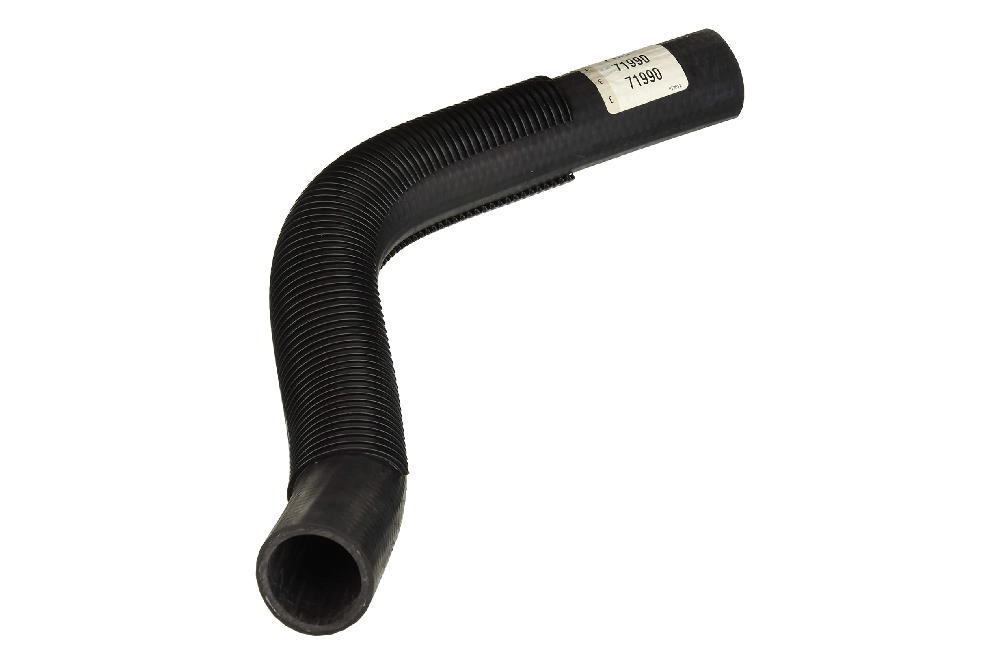
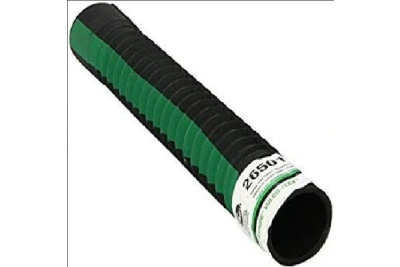
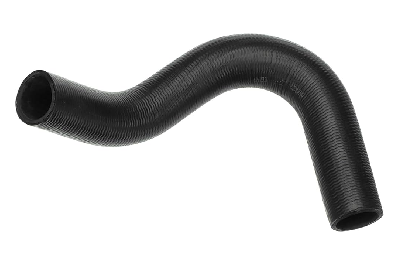
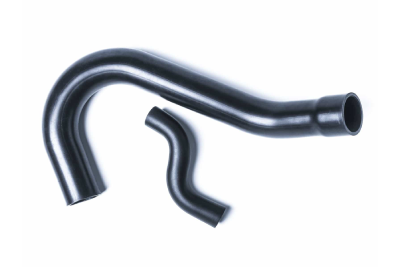
Radiator hoses are essential components of a vehicle’s cooling system, responsible for transporting hot coolant between the engine and the radiator to maintain optimal operating temperatures and prevent engine overheating. They are typically made from durable, heat-resistant materials such as EPDM rubber or silicone, chosen based on the vehicle’s performance requirements, temperature range, and flexibility needs. Radiator hoses must withstand high pressure, thermal cycling, and exposure to coolant chemicals without cracking, swelling, or leaking. Used in cars, trucks, and heavy machinery, these hoses ensure reliable coolant flow, efficient heat dissipation, and long-term engine protection, playing a vital role in overall vehicle performance and longevity.

Chicago coupling

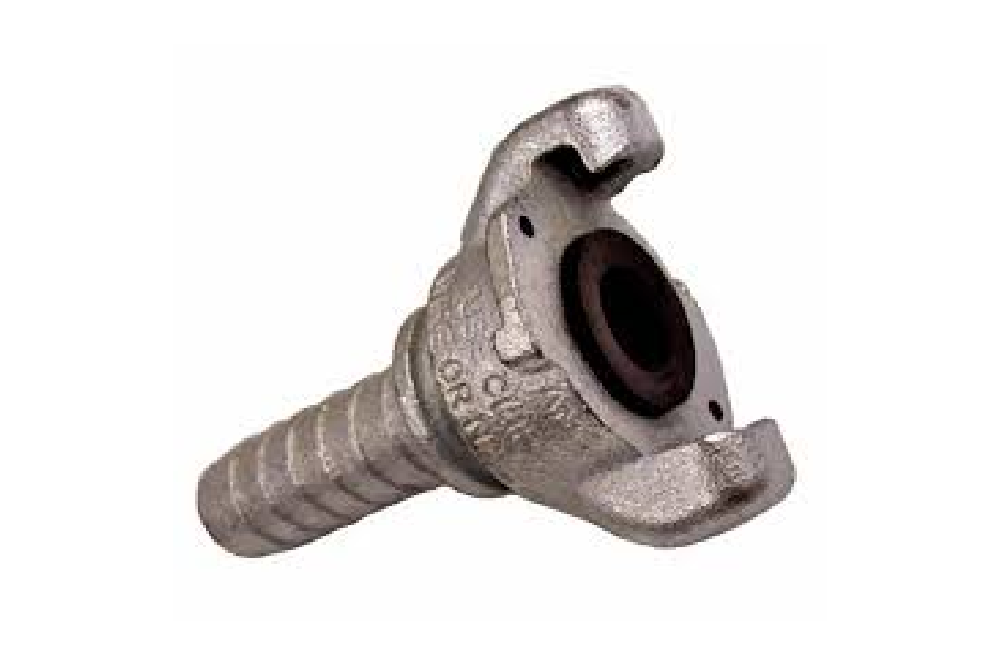
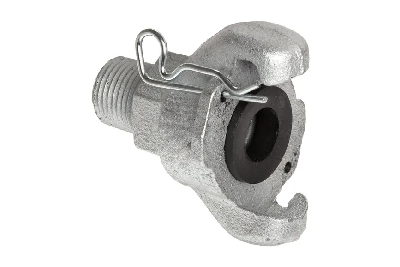
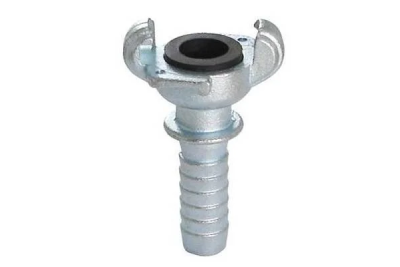
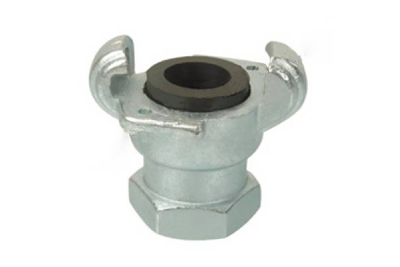
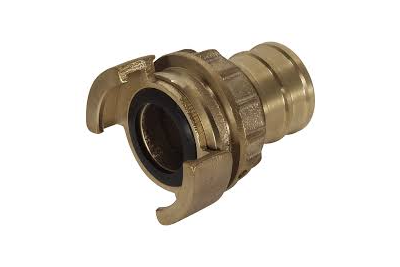
A Chicago coupling, also known as a universal coupling, is a popular hose fitting used to quickly connect hoses and equipment in compressed air and water applications. Its defining feature is identical mating ends, which allow any two couplings of the same size to be joined together without distinguishing between male or female parts. Connection is achieved with a simple quarter-turn twist, making installation fast and tool-free. Typically made from cast iron, steel, or brass, Chicago couplings are durable and reliable for industrial use. They are commonly found in construction sites, workshops, pneumatic systems, and utility applications where quick, secure, and flexible hose connections are required.

Storz coupling

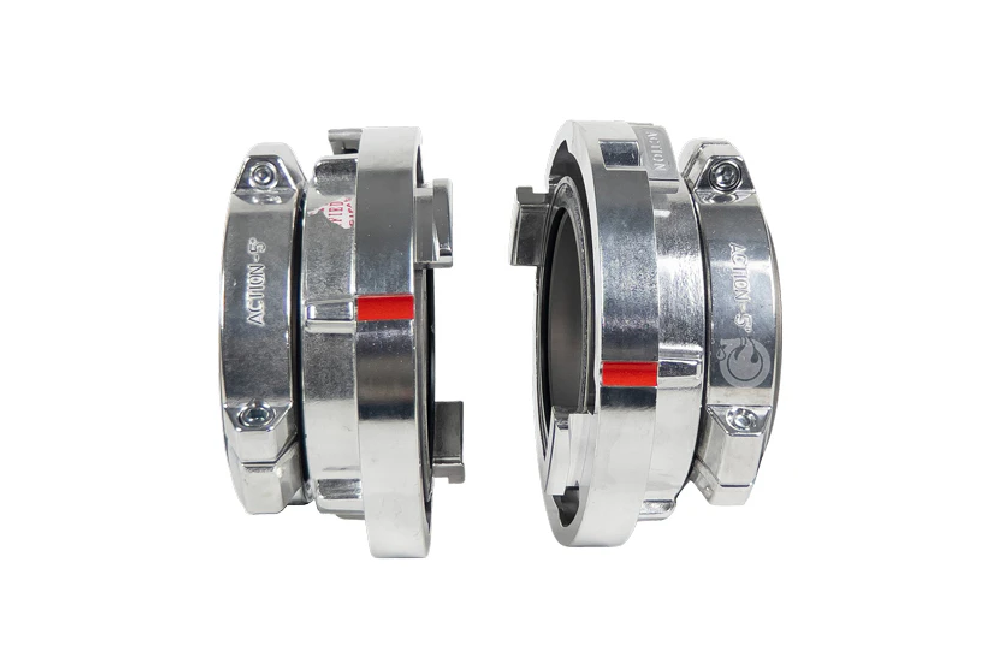
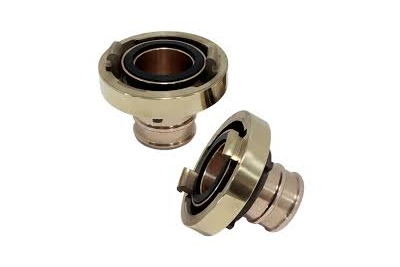
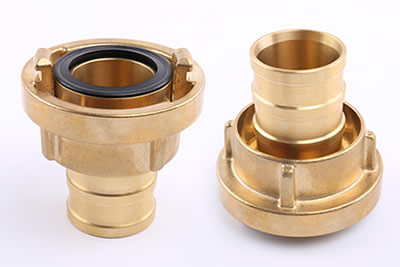
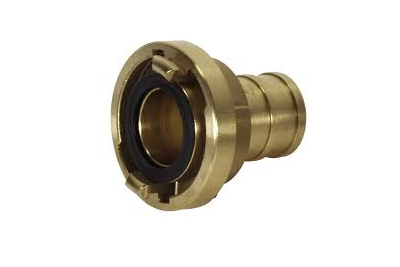
A Storz coupling is a universal, quarter-turn quick-connect hose fitting, widely recognized as the standard fire hose coupling in many regions, especially Europe and parts of the United States. Its most distinctive feature is its symmetrical, hermaphroditic design, meaning there are no separate male or female ends. Any two Storz couplings with the same lug distance can be connected quickly and securely. The coupling is engaged by aligning the lugs and twisting to lock, allowing rapid hose deployment during emergencies. Made from aluminum, brass, or stainless steel, Storz couplings are valued for their strength, reliability, and speed, making them ideal for firefighting, industrial water transfer, and emergency response applications.

Miller coupling

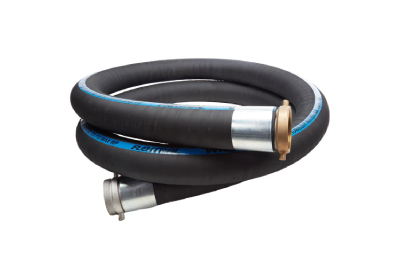
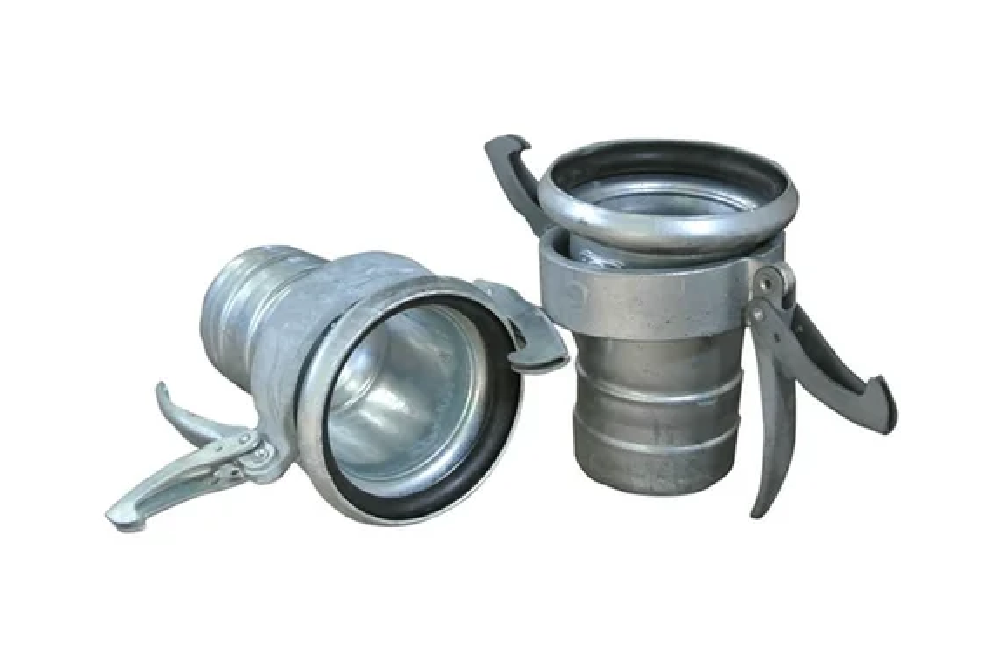
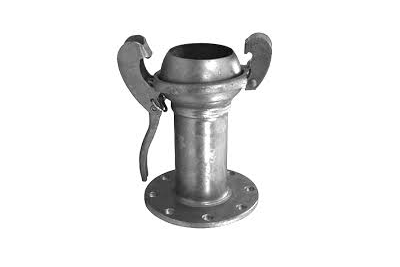
A Miller coupling is a quick-connect hose coupling commonly used in industrial, construction, and agricultural applications for transferring water, wastewater, sludge, concrete, and sometimes compressed air. It is designed for fast, secure hose connections, allowing multiple hose lengths to be joined together with minimal effort. Miller couplings typically use a lever or clamp-style locking mechanism that can be operated manually without the need for special tools. Manufactured from durable materials such as steel or galvanized iron, they offer excellent strength and reliability in demanding environments. Valued for their robustness and ease of use, Miller couplings help reduce setup time, improve efficiency, and ensure dependable fluid transfer on job sites.
Bauer coupling

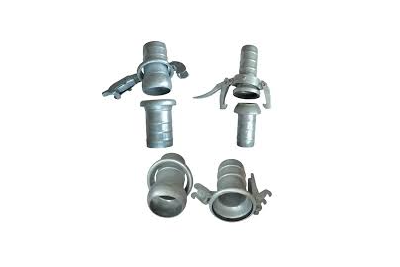
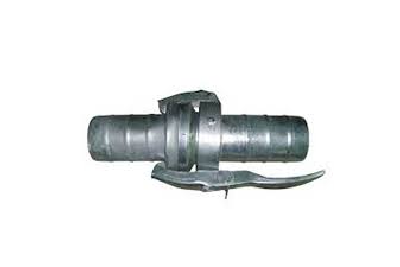
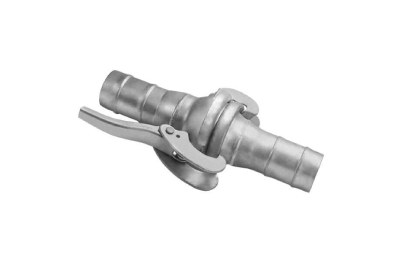
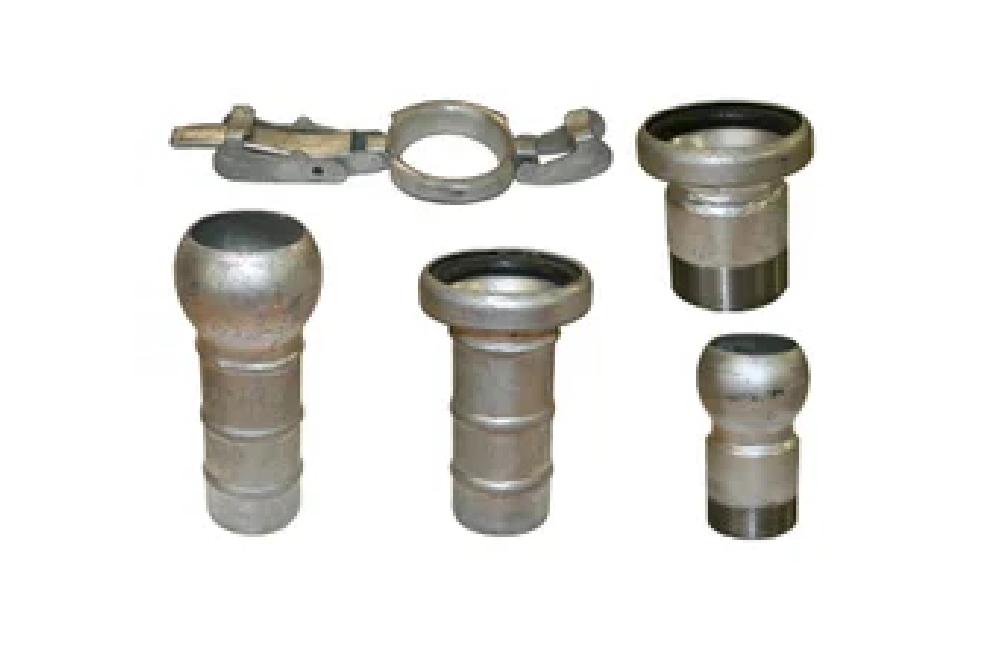
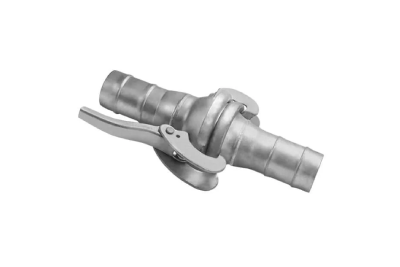
A Bauer coupling is a heavy-duty, lever-lock, quick-release hose fitting widely used in industrial and agricultural applications for transferring water, slurry, sewage, and other fluids. It features a ball-and-socket design that allows quick connection and disconnection using a simple lever mechanism, eliminating the need for tools. One of its key advantages is the ability to accommodate angular misalignment of up to 30 degrees while still maintaining a secure, leak-proof seal. Typically manufactured from galvanized steel or stainless steel, Bauer couplings offer excellent strength, corrosion resistance, and long service life. Their robust construction and ease of handling make them ideal for demanding environments such as irrigation systems, wastewater management, and construction sites.

Fire coupling

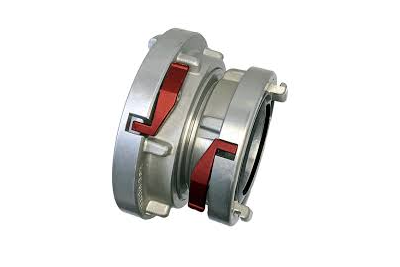
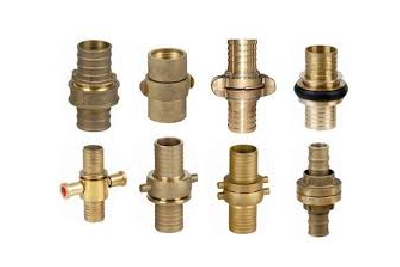
A fire coupling is a rigid, interlocking end fitting attached to a fire hose, used to connect hoses to one another, as well as to fire hydrants, pumps, and firefighting equipment such as nozzles and standpipes. These couplings are specifically engineered for quick, secure connections to ensure uninterrupted, high-pressure water flow during emergency situations. Fire couplings are manufactured from durable materials like aluminum alloy, brass, or stainless steel to withstand extreme pressure, heat, and rough handling. Available in various standards and designs, including Storz and threaded types, fire couplings play a critical role in firefighting operations by enabling rapid hose deployment, reliable connections, and efficient water delivery when time and safety are critical.

Victaulic coupling

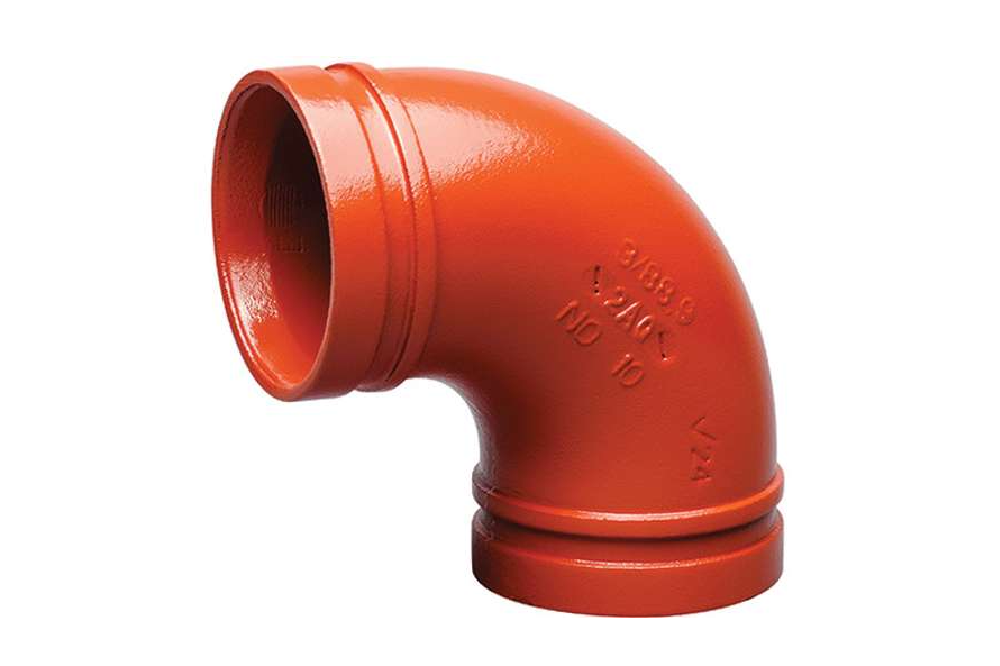
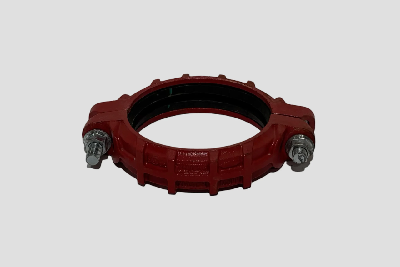
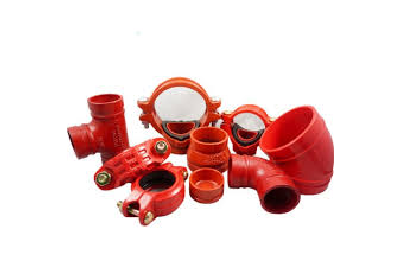
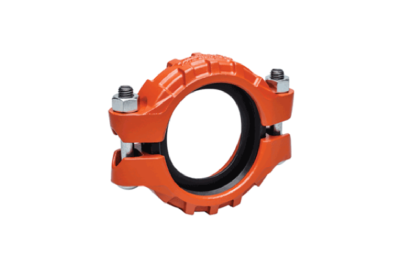
A Victaulic coupling is a branded mechanical pipe joining system, commonly referred to as a grooved coupling, used to connect pipes securely and efficiently. It works by fitting a resilient gasket around the grooved ends of adjoining pipes, which is then enclosed by a segmented, bolted housing that locks into the pipe grooves. This design creates a strong, leak-tight seal while allowing flexibility and movement within the piping system. Victaulic couplings replace traditional joining methods such as welding, flanging, or threading, significantly reducing installation time and labor. Widely used in fire protection, HVAC, plumbing, and industrial piping systems, they offer reliable performance, vibration absorption, and easier maintenance and modification.

Sand blast coupling

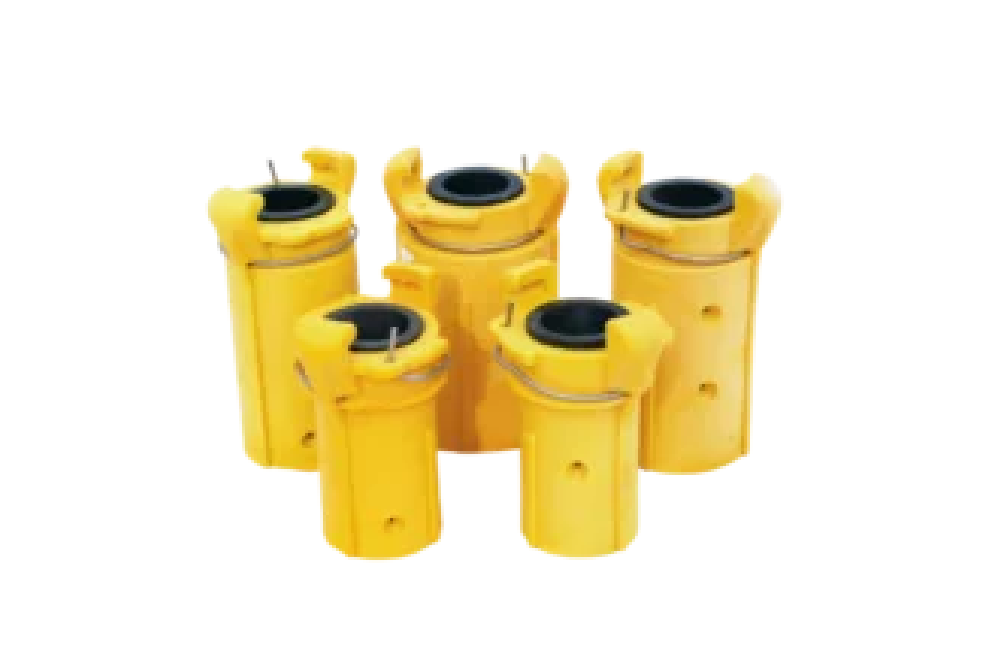
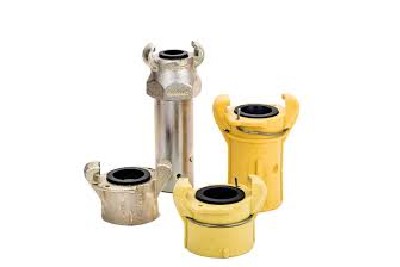
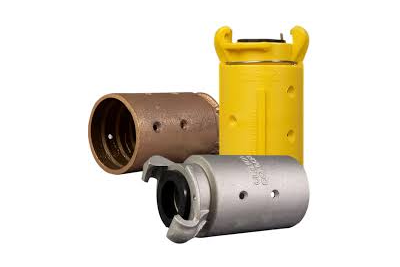
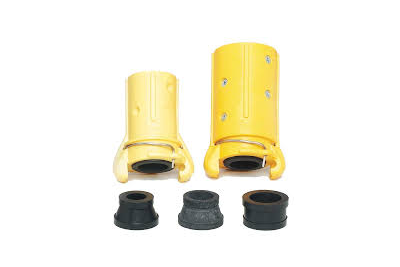
Sand blast couplings are specialized, heavy-duty fittings used to connect hoses and equipment in abrasive blasting applications. They are specifically engineered to handle high working pressures and the constant flow of abrasive media such as sand, steel grit, or garnet. Most sand blast couplings feature a 2-lug crowfoot quick-connect design that fits over the outer diameter of the hose and is secured in place with set screws. This external mounting helps prevent internal wear and extends hose life. Manufactured from hardened steel or cast iron, sand blast couplings provide secure connections, minimize leakage, and ensure safe, efficient operation in demanding surface preparation and blasting environments.
Superior clamps

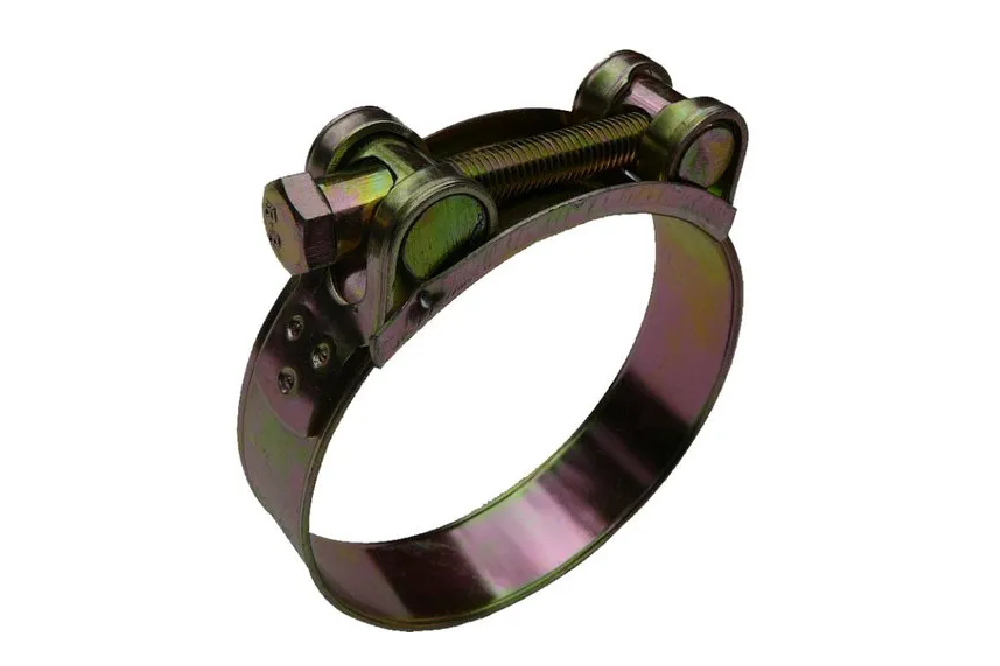
A Superior clamp is a heavy-duty, single-bolt hose clamp designed to deliver high clamping force and a secure, leak-proof seal when attaching couplings to industrial hoses. Unlike standard hose clips, Superior clamps provide extra torque and uniform pressure, making them suitable for demanding applications involving high pressure, vibration, or abrasive media. Commonly referred to as heavy-duty or one-bolt clamps, they are typically manufactured from high-strength carbon steel or stainless steel for durability and corrosion resistance. Superior clamps are widely used in industrial, construction, mining, and agricultural environments, where reliable hose connections are critical for safety, performance, and long-term service under harsh operating conditions.
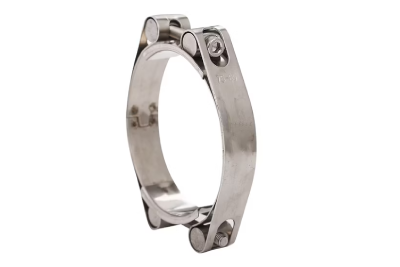
Double bolt clamp

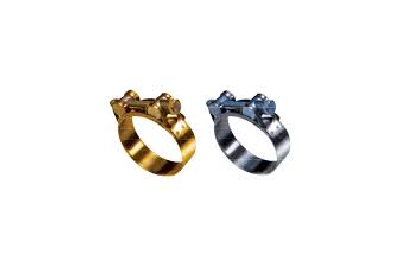
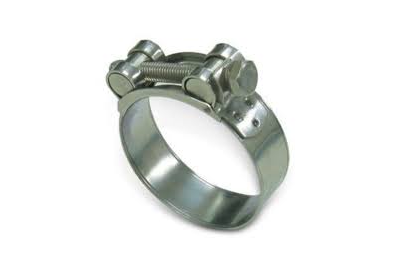
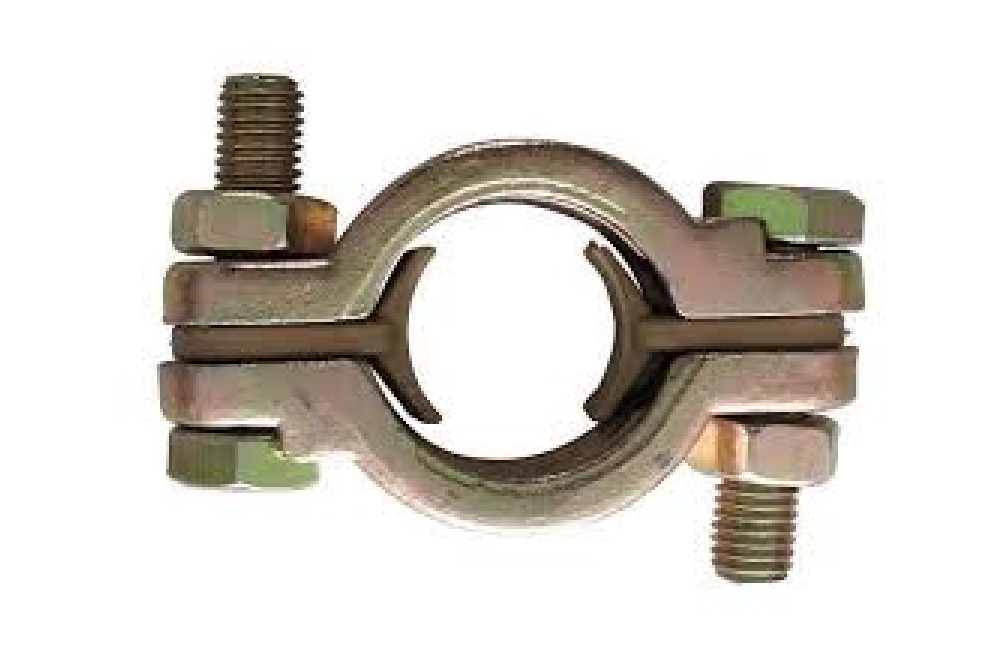
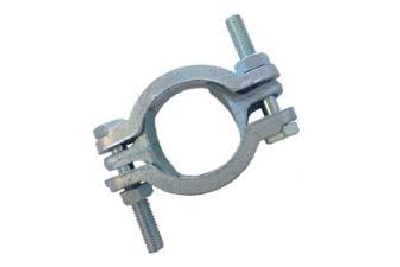
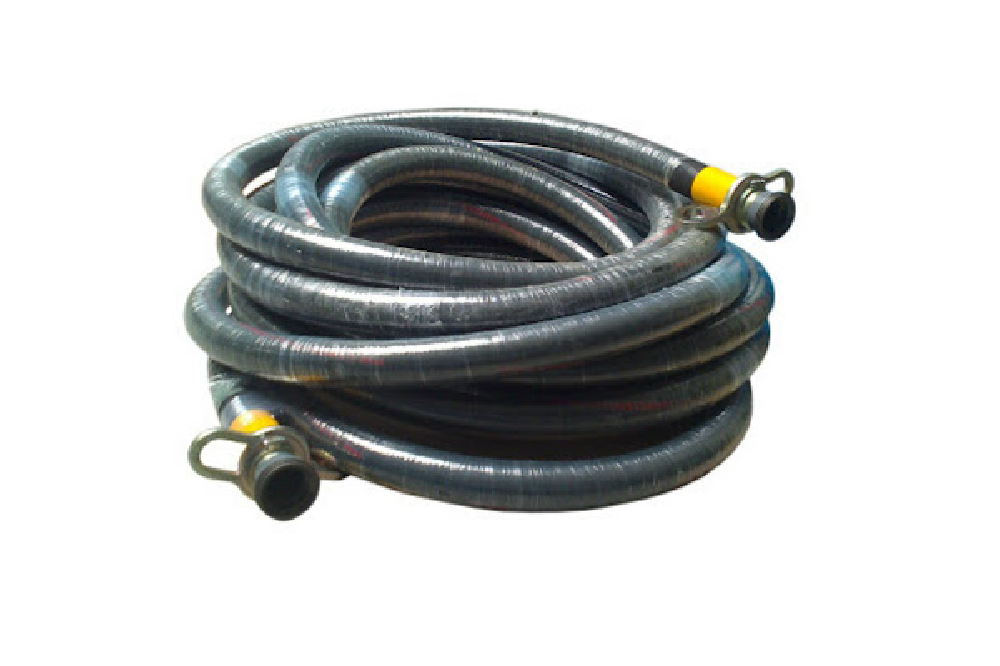
A double bolt clamp is a heavy-duty hose clamp designed with two bolts to secure couplings firmly to industrial hoses, delivering increased clamping force and improved stability. The dual-bolt design ensures even pressure distribution around the hose, reducing the risk of leakage, slippage, or hose damage in high-pressure or high-vibration conditions. These clamps are especially suitable for reinforced hoses with thick walls and large diameters. Typically manufactured from high-strength carbon steel or stainless steel, double bolt clamps offer excellent durability and corrosion resistance. They are widely used in industrial, construction, mining, and agricultural applications where a strong, secure, and long-lasting hose connection is critical for safe and reliable operation

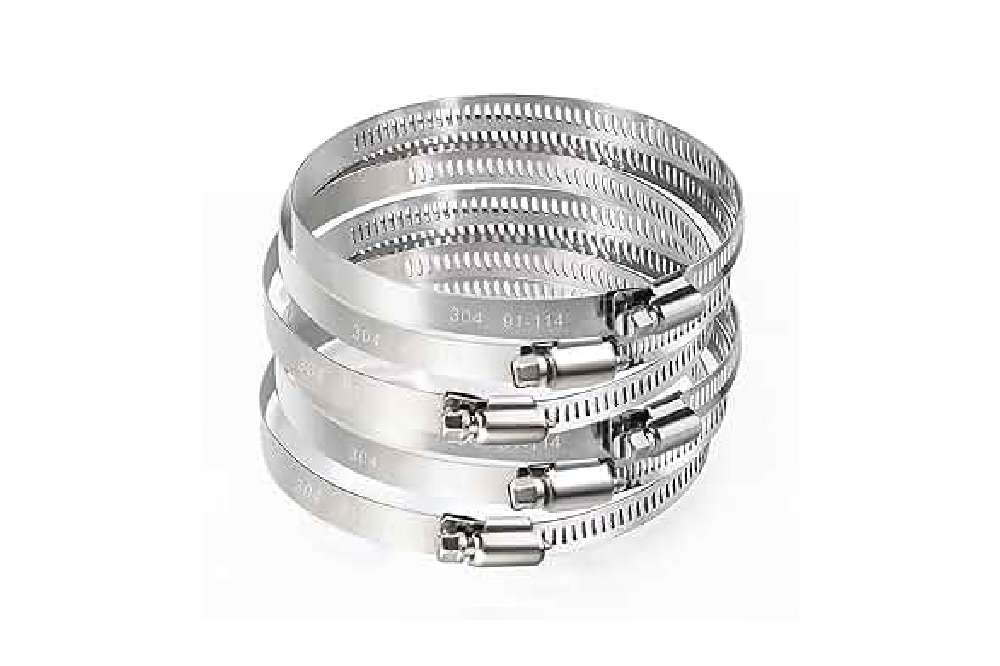
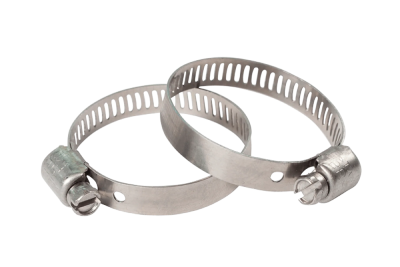
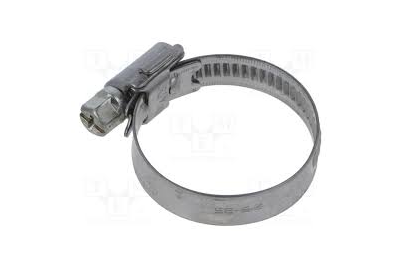
WORM DRIVE CLAMP

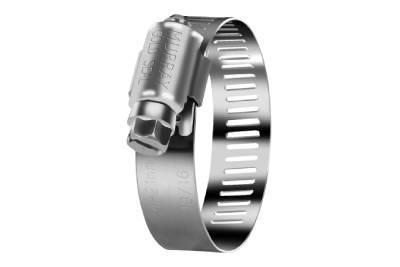
Worm drive clamps, also known as worm gear clamps or screw clamps, are widely used hose clamps designed to secure hoses and pipes in a variety of applications. They consist of a flexible metal band with a series of slots and a helical-threaded screw, known as a worm gear, which tightens or loosens the band when turned. This mechanism allows precise, adjustable clamping force to create a secure, leak-resistant seal. Worm drive clamps are easy to install and remove using simple hand tools. Commonly made from stainless steel or galvanized steel, they are used in automotive, plumbing, HVAC, and general industrial applications where reliable and adjustable hose fastening is required.

Delivering reliable solutions with efficiency and trust.

Address

Germany —
785 15h Street, Office 478
Berlin, De 81566

Quick Links

© REDEX MEHANICAL EQUIPMENT SOLE PROPRIETORSHIP LLC . Developed by Pixel Pro Solution