Skip to content Skip to footer

Hydraulic seals

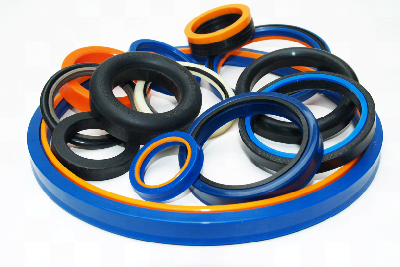
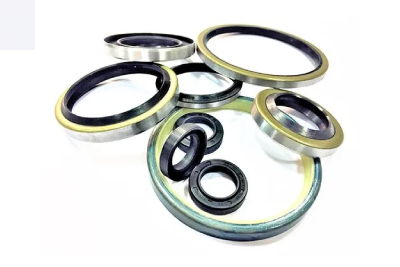
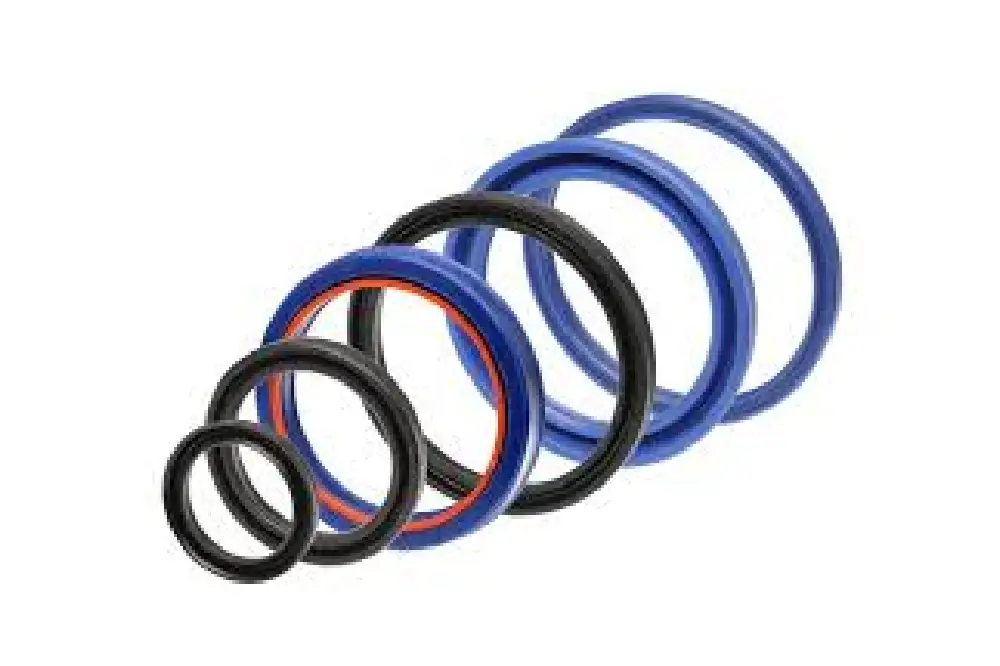
Hydraulic seals are vital, soft, non-metallic components designed to block, contain, or separate fluid within hydraulic systems, especially in cylinders. They play a crucial role in converting hydraulic fluid power into smooth, controlled linear motion while preventing leakage, pressure loss, and contamination. By maintaining system integrity, hydraulic seals enhance operational efficiency, safety, and equipment lifespan. Widely used in heavy machinery, manufacturing equipment, construction systems, and automotive applications, these seals withstand high pressures, extreme temperatures, and dynamic motion. Their reliable performance ensures consistent operation, reduced maintenance costs, improved productivity, and long-term durability across demanding industrial environments.

Wiper seal

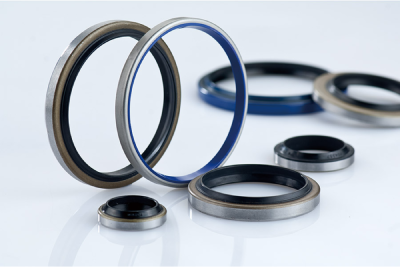
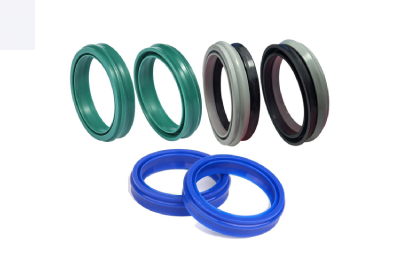
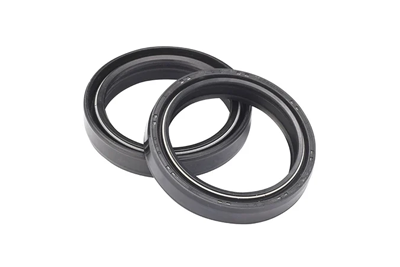
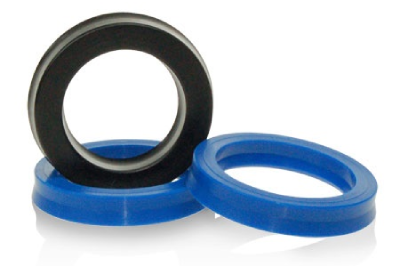
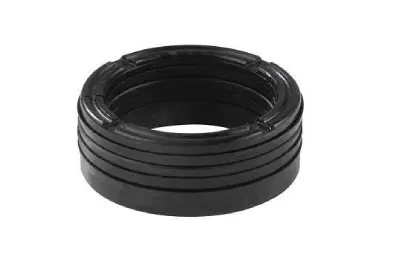
A wiper seal, also known as a scraper or dust seal, is a dynamic sealing component used in hydraulic and pneumatic cylinders to prevent dirt, dust, moisture, and other external contaminants from entering the system. Installed on the outer side of the cylinder, it cleans the rod surface during each stroke, protecting internal seals and components from damage. By reducing wear, corrosion, and contamination-related failures, wiper seals play a vital role in maintaining system performance. Their presence significantly enhances equipment longevity, operational reliability, and efficiency, especially in harsh environments such as construction, mining, agriculture, and industrial applications

Piston seal

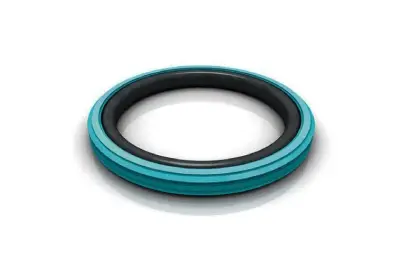
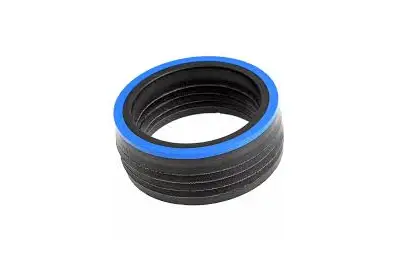
A piston seal is a dynamic sealing component used in hydraulic cylinders to prevent hydraulic fluid from bypassing the piston during its reciprocating motion within the cylinder bore. By effectively containing fluid on each side of the piston, it enables the buildup of differential pressure required to generate force and achieve precise, controlled linear motion. Proper sealing ensures maximum efficiency, consistent performance, and accurate load handling. Piston seals also minimize internal leakage, reduce energy loss, and protect cylinder components from wear. Commonly used in industrial, construction, and mobile equipment, they are essential for reliable, high-performance hydraulic system operation.

Rod seal

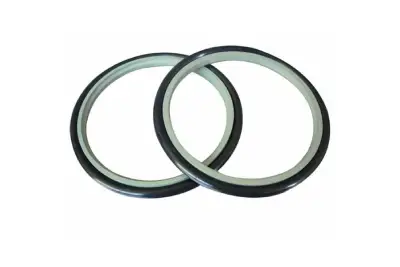
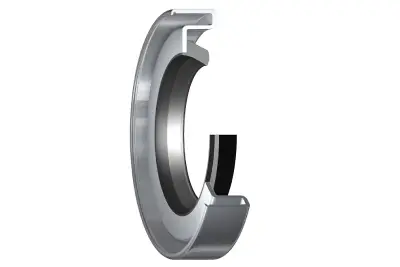
A rod seal, also referred to as a gland seal or neck seal, is a vital dynamic sealing element used in hydraulic and pneumatic cylinders. It is installed in the cylinder head gland and functions to prevent pressurized hydraulic fluid or compressed air from escaping as the piston rod moves in and out during operation. Rod seals play a key role in maintaining internal pressure, ensuring system efficiency, and preventing contamination from entering the cylinder. They are engineered to withstand high operating pressures, continuous friction, temperature variations, and demanding working conditions. By reducing leakage and wear, rod seals help protect internal components, ensure smooth rod movement, minimize maintenance requirements, and significantly extend the service life and reliability of hydraulic and pneumatic systems.

Vee pack seal

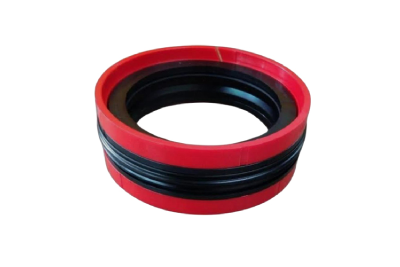
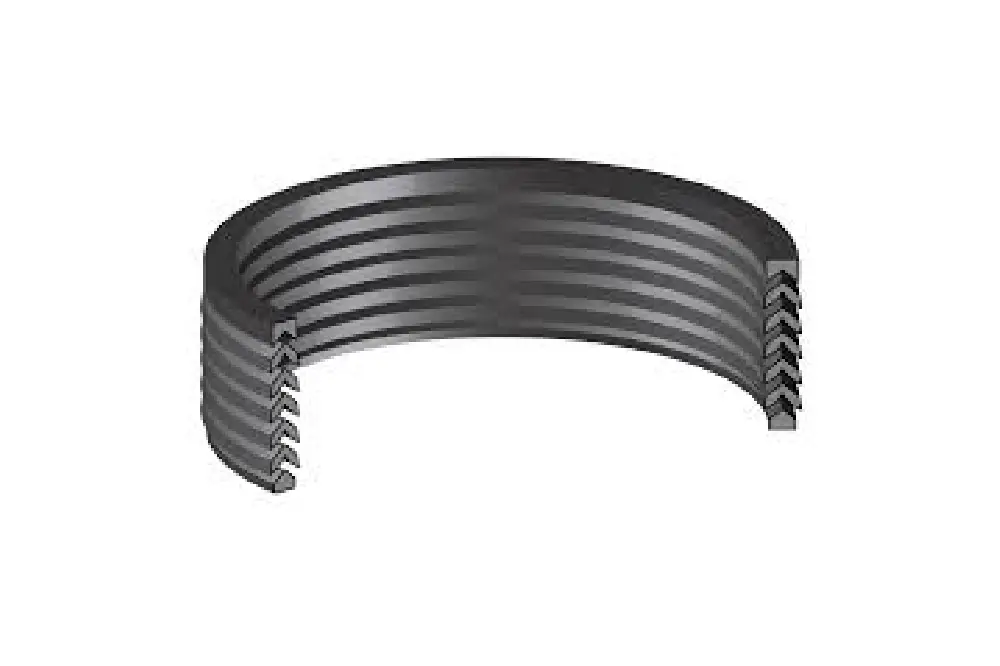
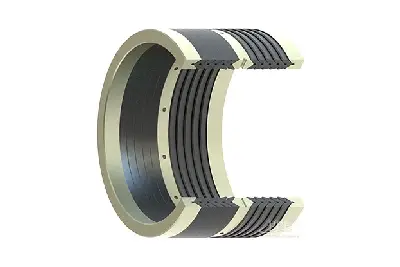
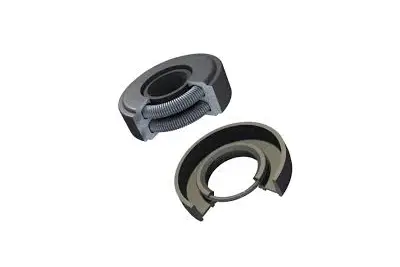
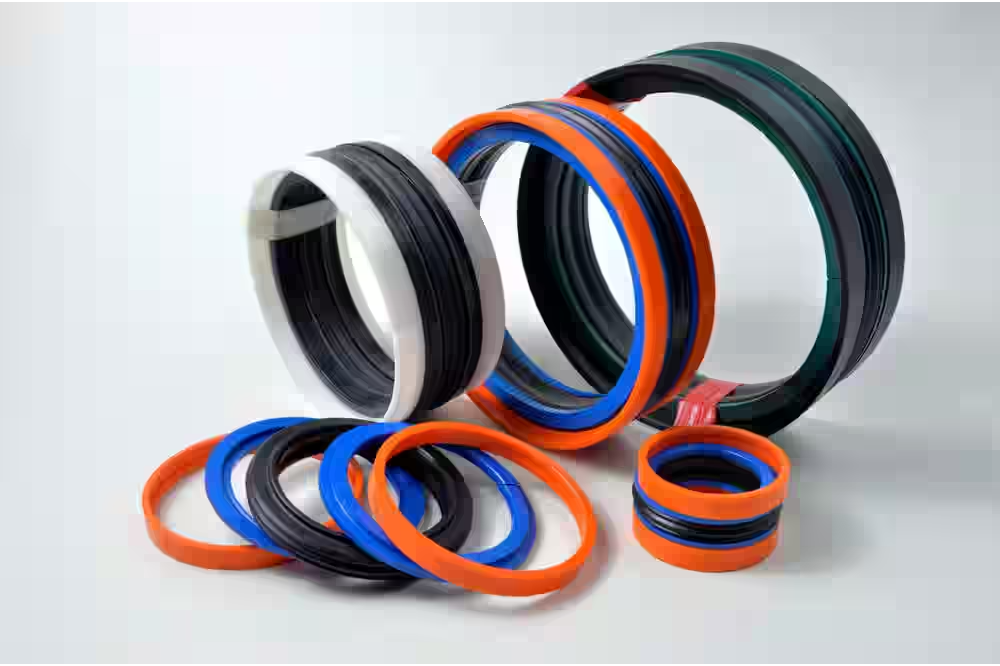
A vee pack seal, also known as chevron packing or V-packing, is a multi-lip, compression-type sealing system used for sealing rods, pistons, and plungers in hydraulic and pneumatic equipment. It consists of multiple V-shaped rings stacked together with male and female adapters to provide effective sealing under varying pressure conditions. Vee pack seals are designed for medium to heavy-duty applications where single-lip seals, such as O-rings, may fail due to high pressure, side loading, or wear. Commonly used in large-diameter cylinders, industrial presses, and heavy earthmoving machinery, they offer excellent sealing performance, durability, and adaptability to pressure fluctuations while ensuring long service life in demanding operating environments.
Static seal

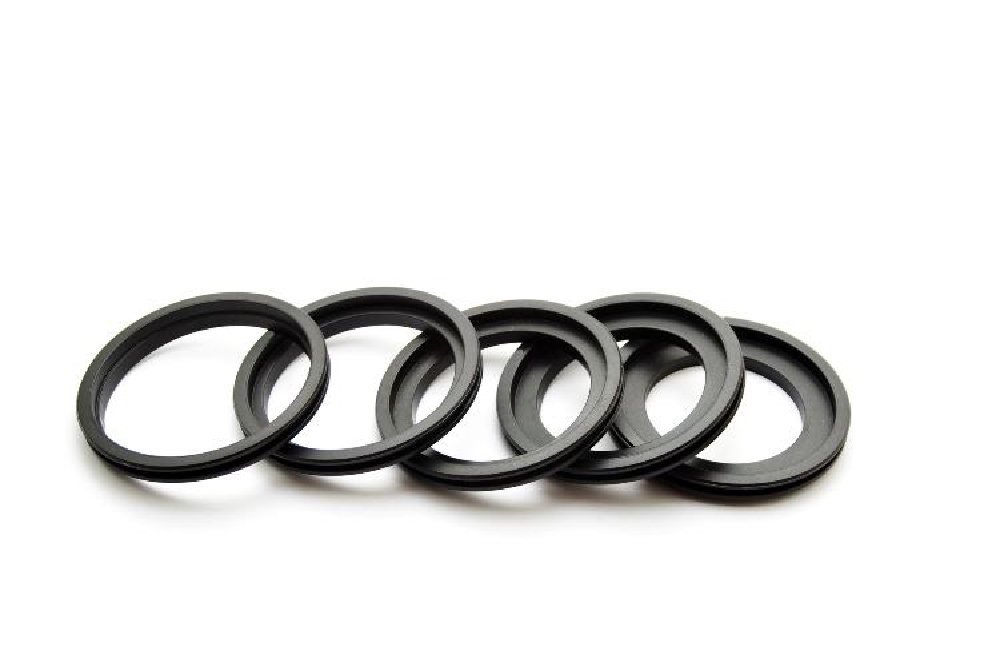
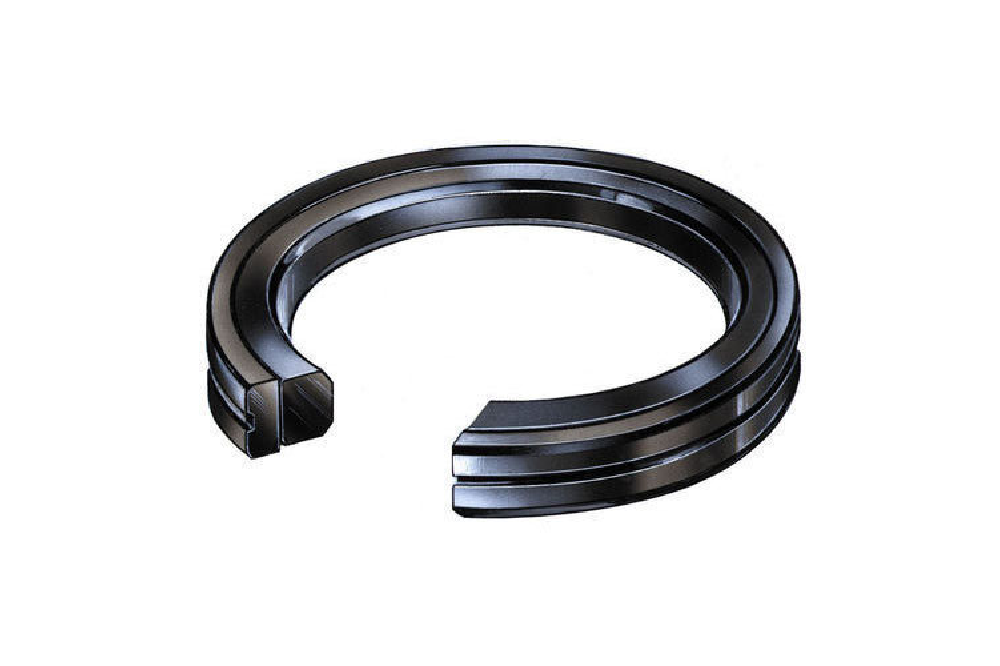
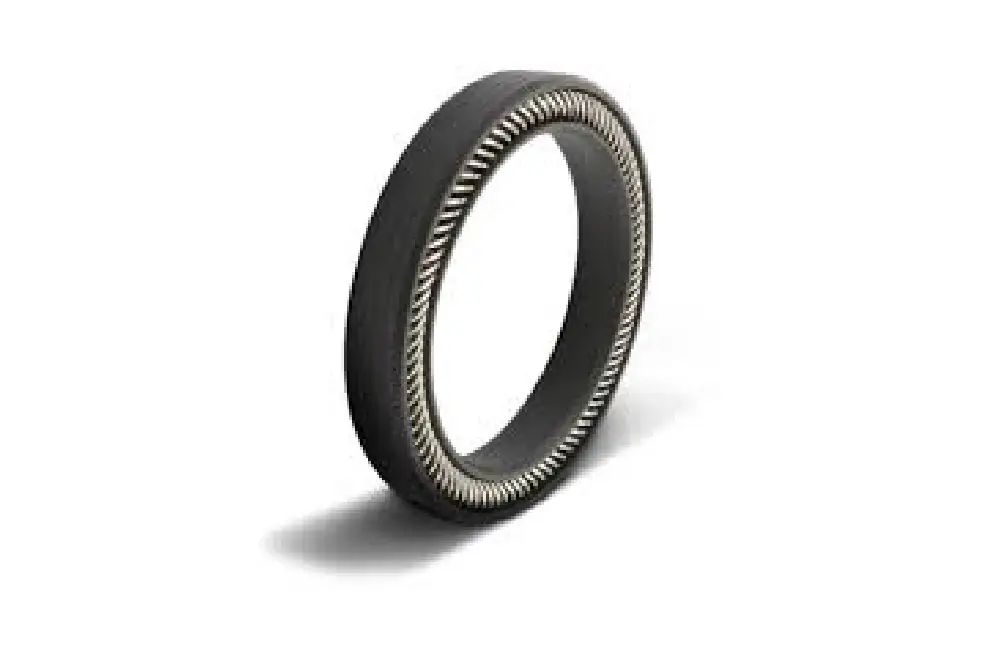
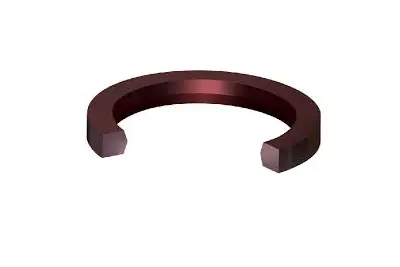
A static seal is a sealing element used between two or more components in a system where no relative motion occurs between the mating surfaces. In hydraulic and pneumatic systems, its primary function is to prevent the leakage of fluid or gas across non-moving joints, thereby maintaining pressure integrity and overall system reliability. Static seals are commonly installed in flanges, valve bodies, ports, covers, and threaded connections. They are designed to withstand pressure, temperature variations, and chemical exposure without movement-related wear. Materials such as rubber, elastomers, PTFE, and metal are often used depending on application requirements. By ensuring leak-free connections, static seals enhance operational efficiency, reduce maintenance needs, and protect equipment from damage or performance loss.

Guide ring

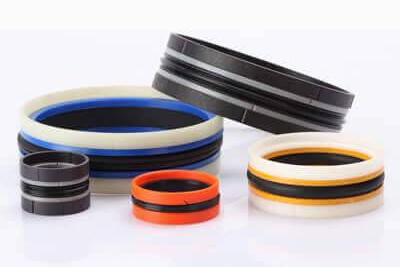
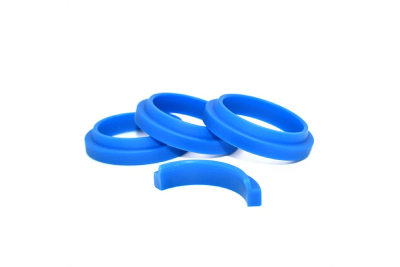
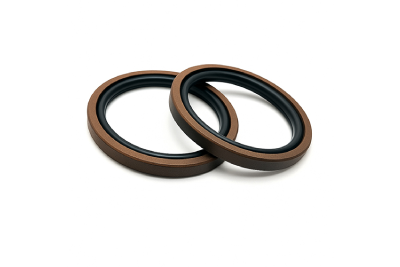
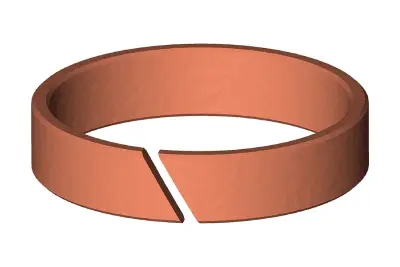
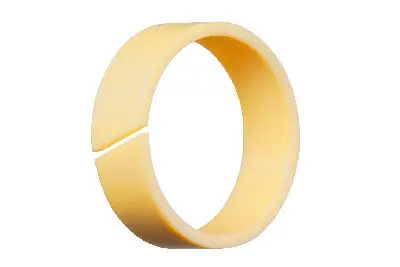
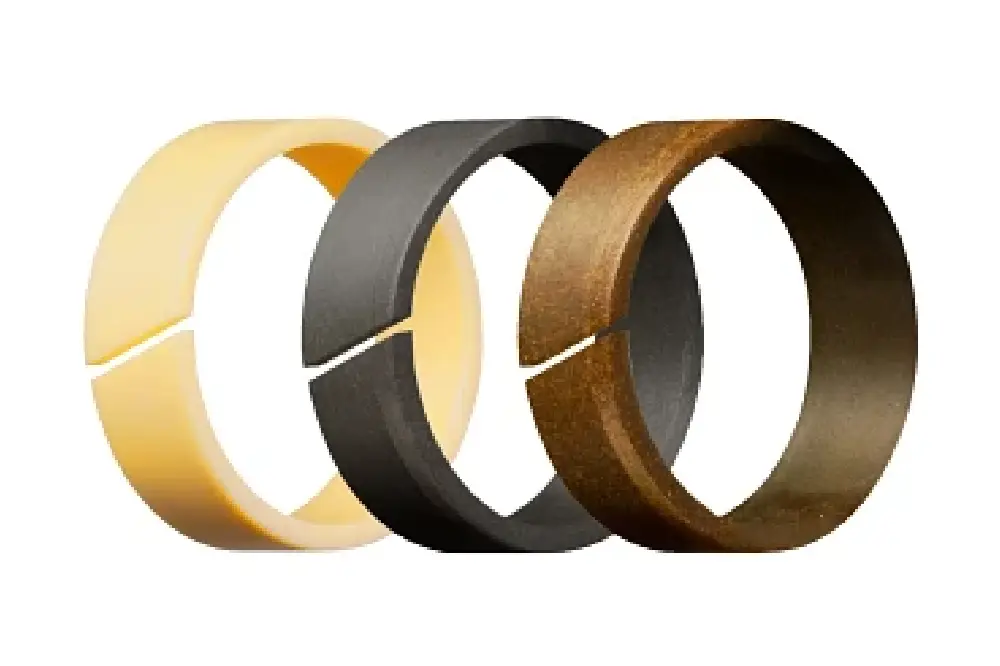
A guide ring, also known as a wear ring or guide band, is a non-metallic component used in hydraulic and pneumatic cylinders to support and guide moving parts such as the piston or rod. Its primary function is to prevent direct metal-to-metal contact between cylinder components, reducing friction, wear, and the risk of damage. Guide rings help maintain proper alignment of the piston and rod, especially under side loads and high operating pressures. Manufactured from materials like PTFE, nylon, phenolic resin, or reinforced composites, they offer excellent wear resistance and low friction. By absorbing radial forces and minimizing component wear, guide rings enhance cylinder performance, improve operational stability, and significantly extend the service life of sealing elements and internal components.

Static seal

A static seal is a sealing element used between two or more components in a system where no relative motion occurs between the mating surfaces. In hydraulic and pneumatic systems, its primary function is to prevent the leakage of fluid or gas across non-moving joints, thereby maintaining pressure integrity and overall system reliability. Static seals are commonly installed in flanges, valve bodies, ports, covers, and threaded connections. They are designed to withstand pressure, temperature variations, and chemical exposure without movement-related wear. Materials such as rubber, elastomers, PTFE, and metal are often used depending on application requirements. By ensuring leak-free connections, static seals enhance operational efficiency, reduce maintenance needs, and protect equipment from damage or performance loss.

Delivering reliable solutions with efficiency and trust.

Address

Germany —
785 15h Street, Office 478
Berlin, De 81566

Quick Links

© REDEX MEHANICAL EQUIPMENT SOLE PROPRIETORSHIP LLC . Developed by Pixel Pro Solution