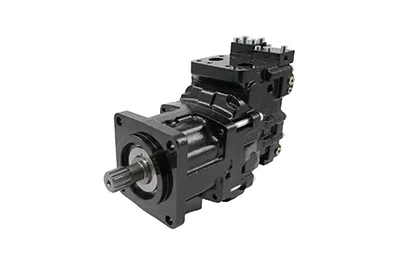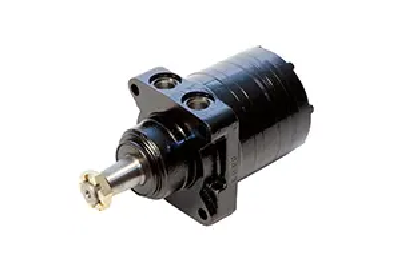
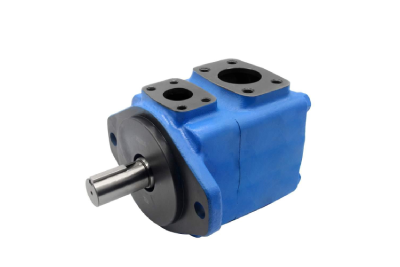
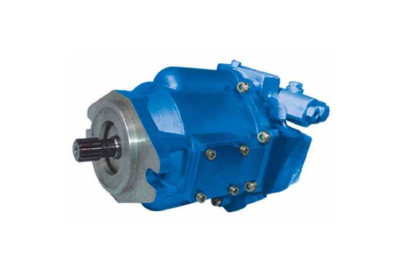
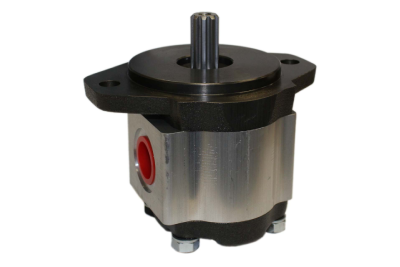
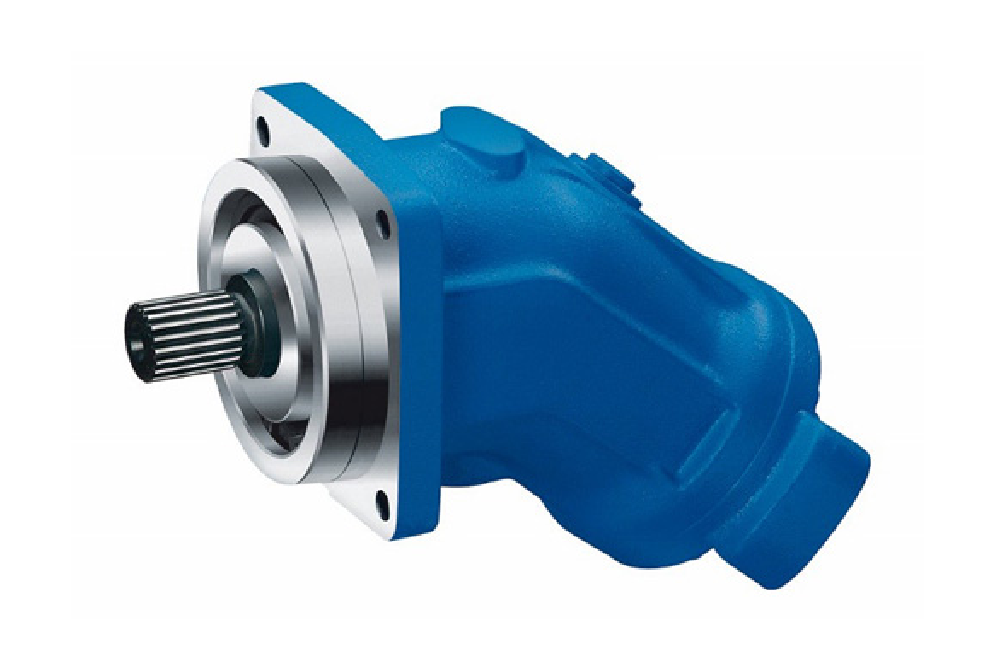
Hydraulic motors are mechanical actuators that convert hydraulic fluid pressure and flow into torque and rotational motion to power machinery efficiently. They are widely used in construction equipment, agricultural machines, and industrial automation systems where high torque and reliable performance are essential. Common applications include excavators, conveyors, winches, mixers, and harvesting equipment. Hydraulic motors are available in various types such as gear, vane, and piston motors, each suited to specific speed and load requirements. Their compact design allows installation in limited spaces while delivering powerful output. Known for durability and precise control, hydraulic motors perform reliably in harsh environments and demanding operating conditions, making them a critical component of modern hydraulic systems.
HYDRAULIC PUMPS
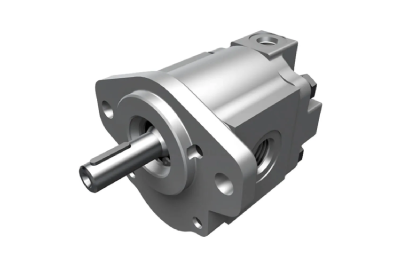
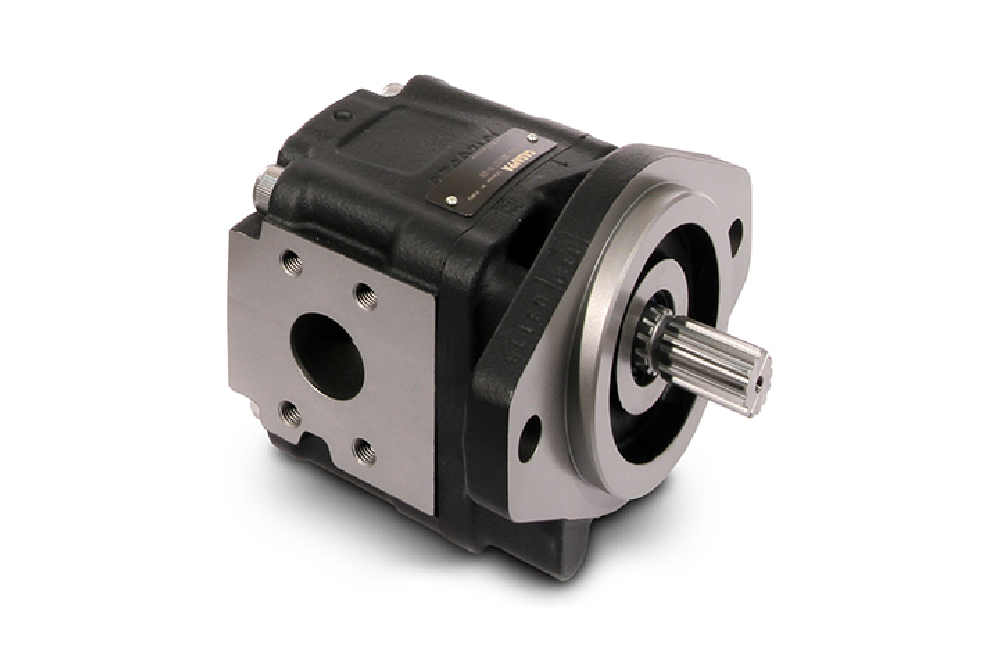
Hydraulic pumps convert mechanical power into hydraulic energy by moving fluid through a system under pressure, creating the force required to operate various machines and equipment. They play a vital role in numerous industries, including construction, agriculture, manufacturing, mining, and material handling. By generating consistent fluid flow, hydraulic pumps enable precise control of heavy loads, lifting operations, and repetitive industrial processes. These pumps are commonly used in excavators, tractors, forklifts, presses, and automated production lines where high power density and reliability are essential. Available in different types such as gear, vane, and piston pumps, hydraulic pumps are selected based on pressure requirements, efficiency, and operating conditions. Their ability to deliver smooth, controlled power makes them indispensable for modern hydraulic systems that demand durability, efficiency, and consistent performance in challenging working environments.
MOTORS
ACCUMULATORS
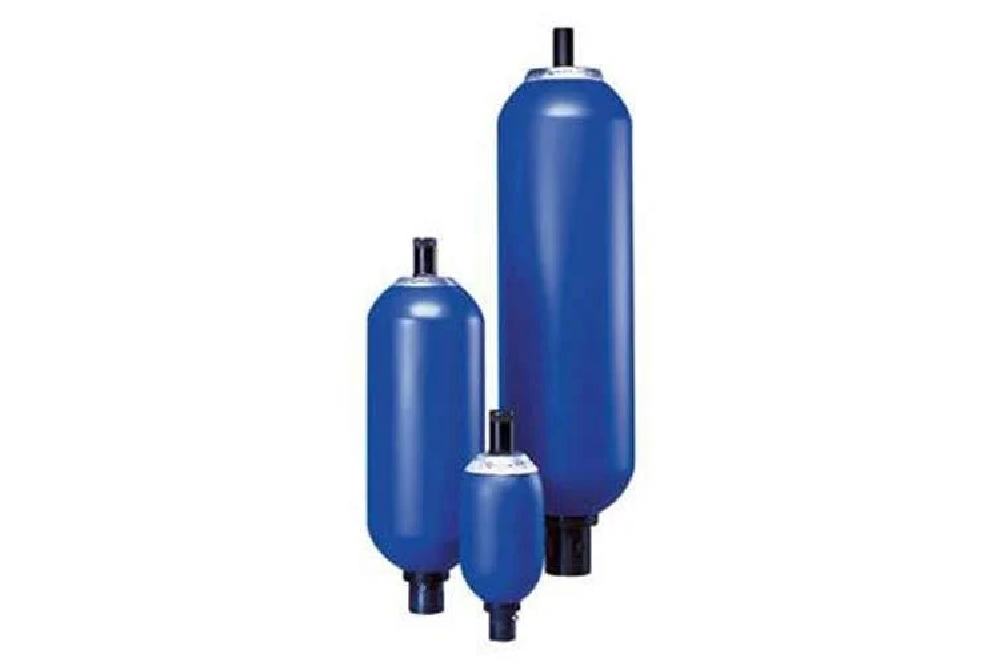
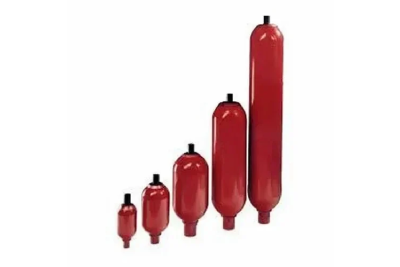
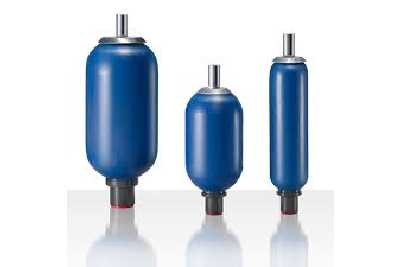
Hydraulic accumulators are pressure vessels designed to store energy in the form of pressurized hydraulic fluid, typically using a compressible gas such as nitrogen. The gas is separated from the fluid by a movable element like a bladder, piston, or diaphragm, allowing controlled energy storage and release. Accumulators play a vital role in hydraulic systems by absorbing pressure spikes, compensating for leakage, and maintaining system pressure during peak demand. They also improve overall efficiency by reducing pump load and energy consumption. Additionally, hydraulic accumulators enhance safety, minimize vibration, and extend the lifespan of system components by reducing stress and wear.
MANIFOLDS
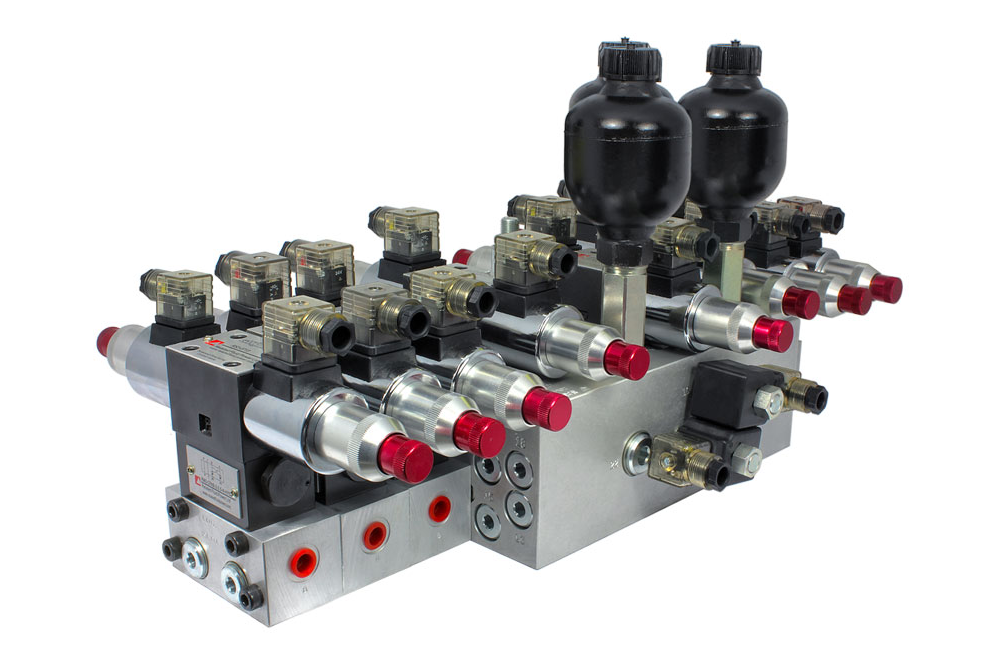
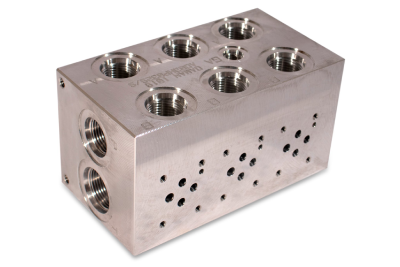
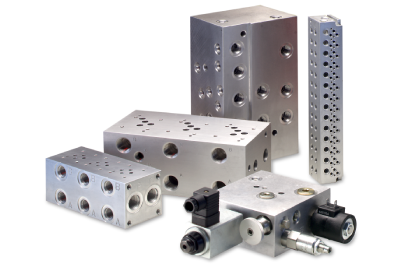
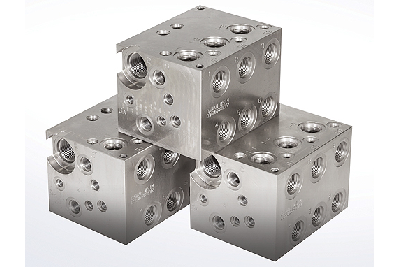
Hydraulic manifolds serve as the central control unit of a hydraulic system, directing and managing fluid flow between pumps, actuators, and other hydraulic components. By integrating multiple valves, ports, and internal flow channels into a single compact block, manifolds reduce the need for extensive piping and fittings. This compact design improves system efficiency, minimizes pressure losses, and lowers the risk of leaks. Hydraulic manifolds also simplify installation, maintenance, and troubleshooting while allowing precise control of pressure, flow, and direction. Commonly used in industrial machinery, mobile equipment, and automation systems, hydraulic manifolds enhance reliability, optimize space usage, and contribute to cleaner, more organized hydraulic system layouts.
JOINTS
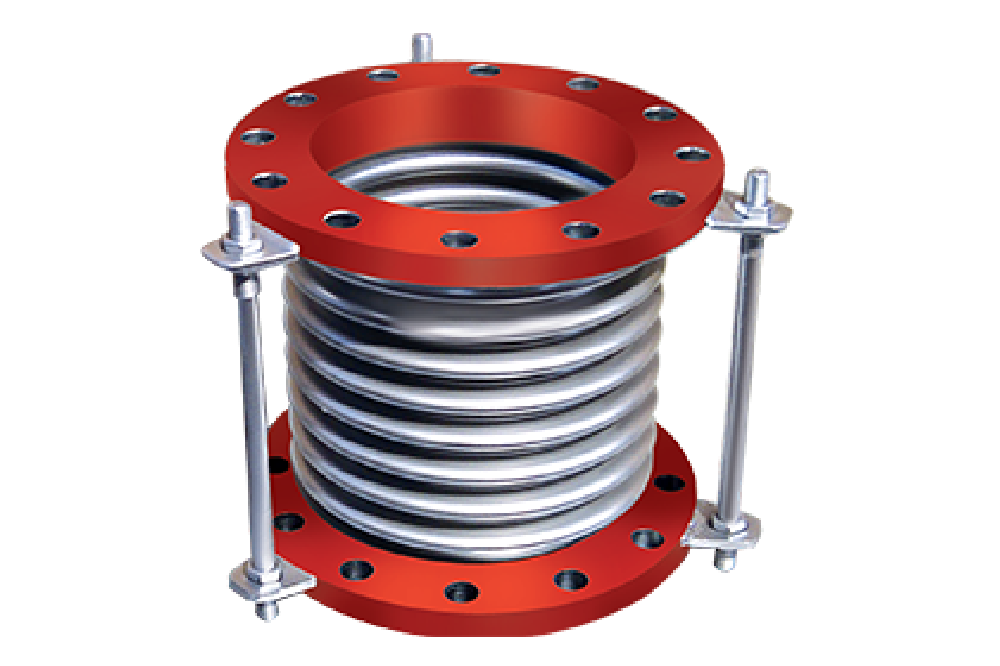
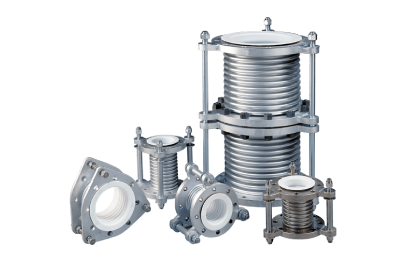
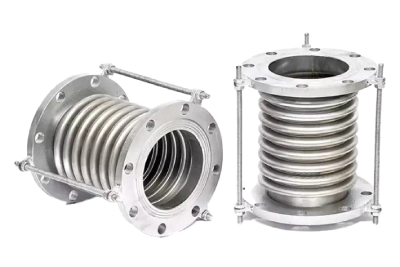
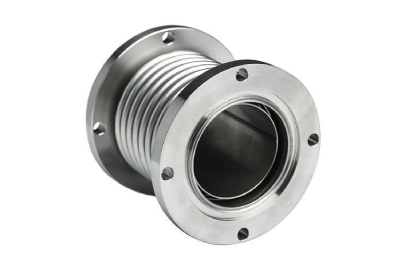
Expansion joints are flexible connectors used in piping systems to absorb movement, reduce mechanical stress, and minimize vibration in high-temperature and high-pressure applications. They play a critical role in protecting rigid pipes and connected equipment such as pumps, turbines, heat exchangers, and compressors from damage caused by thermal expansion, pressure fluctuations, and structural misalignment. By accommodating axial, lateral, and angular movements, expansion joints help maintain system integrity and operational safety. Commonly manufactured from metal, rubber, or fabric materials, they are selected based on temperature, pressure, and media conditions. Expansion joints also reduce noise transmission, extend equipment lifespan, and improve overall reliability and efficiency of industrial piping systems.