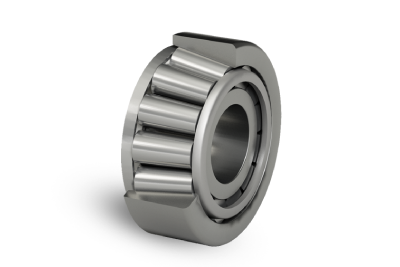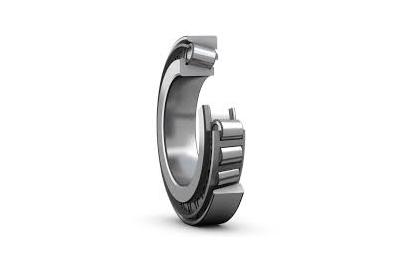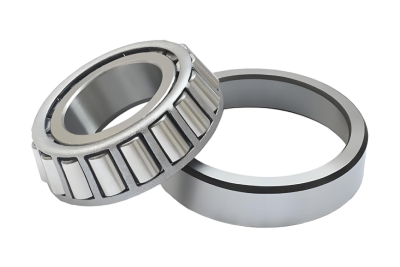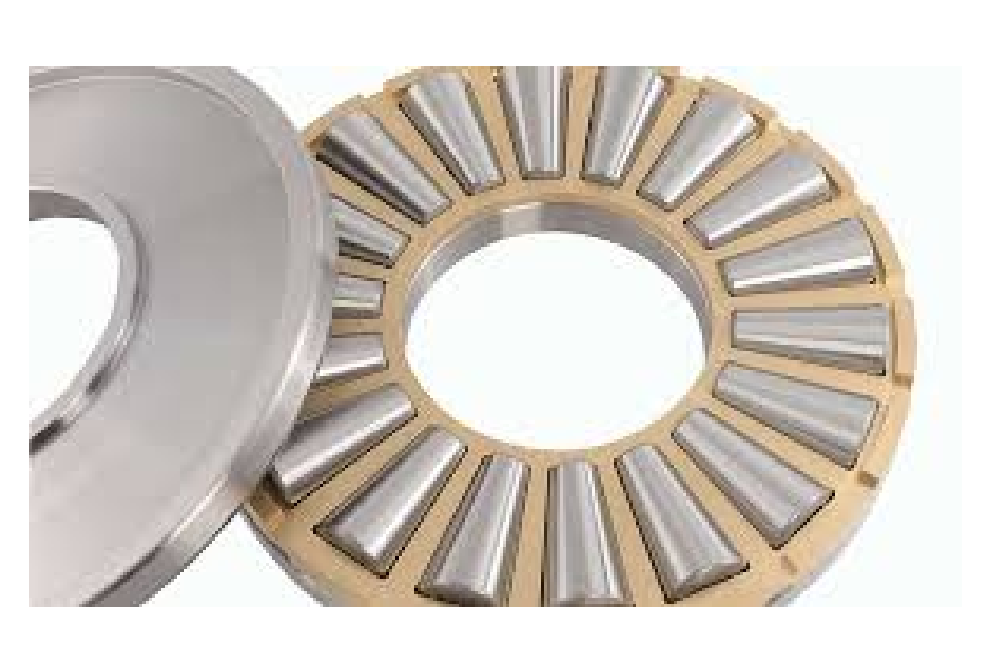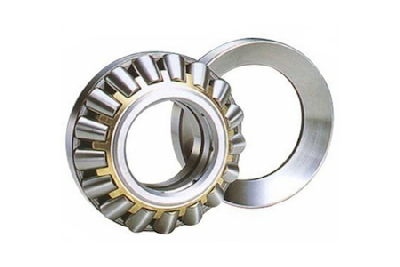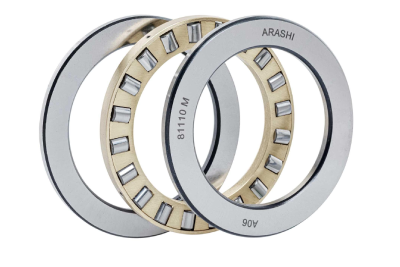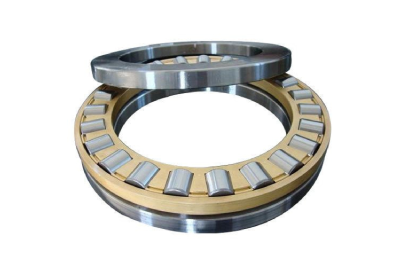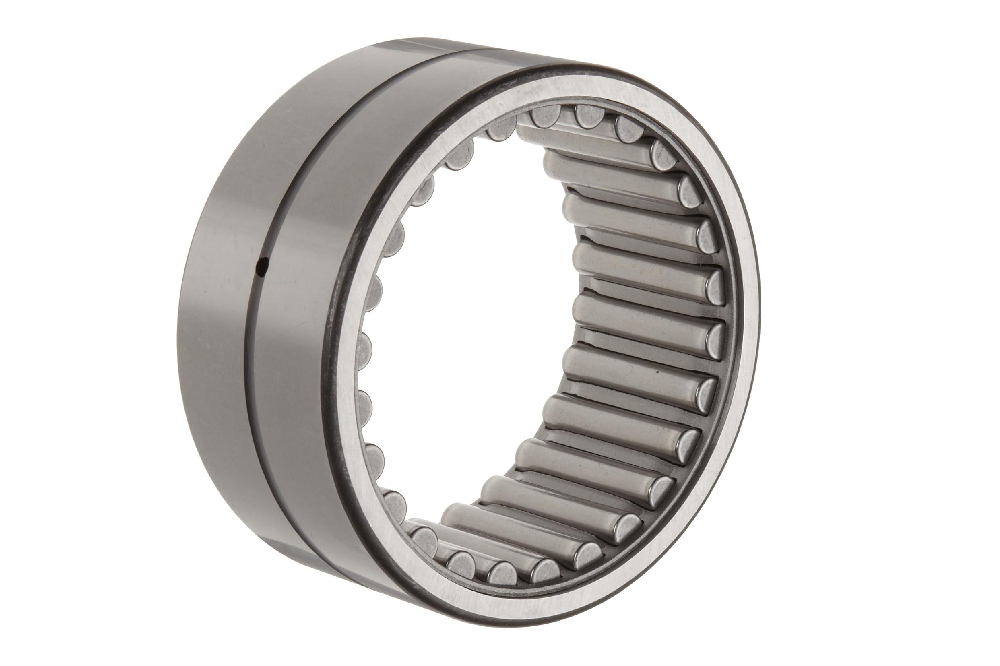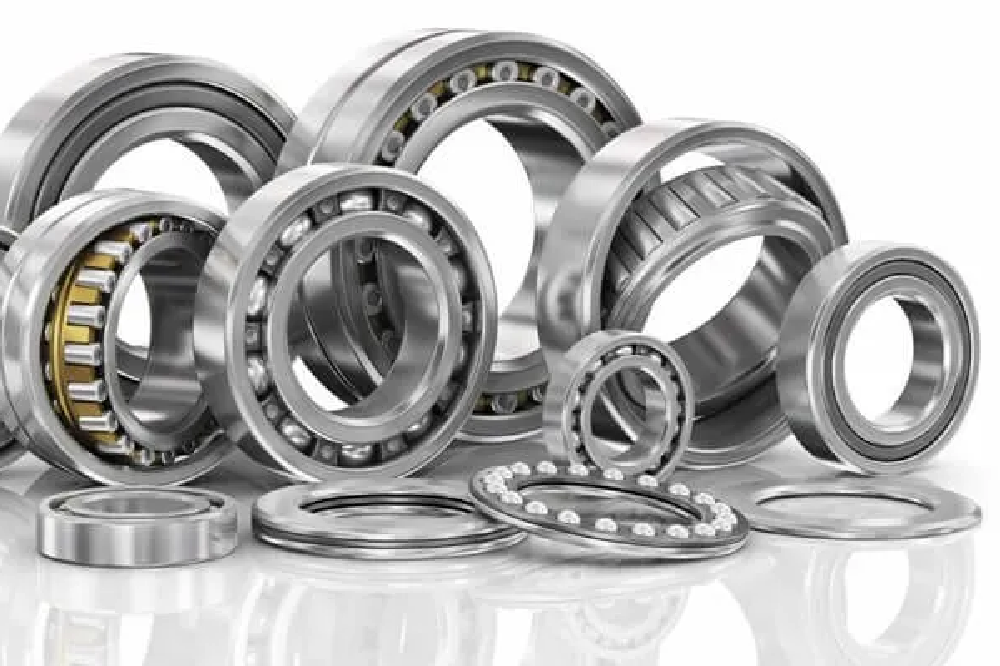
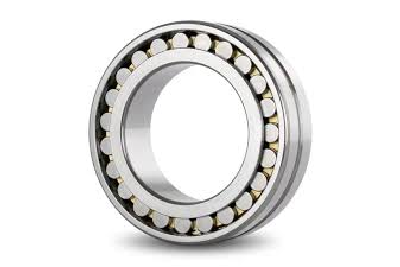
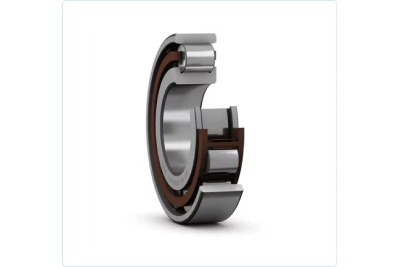
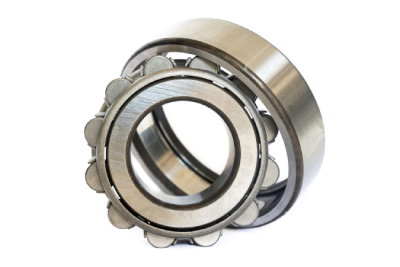
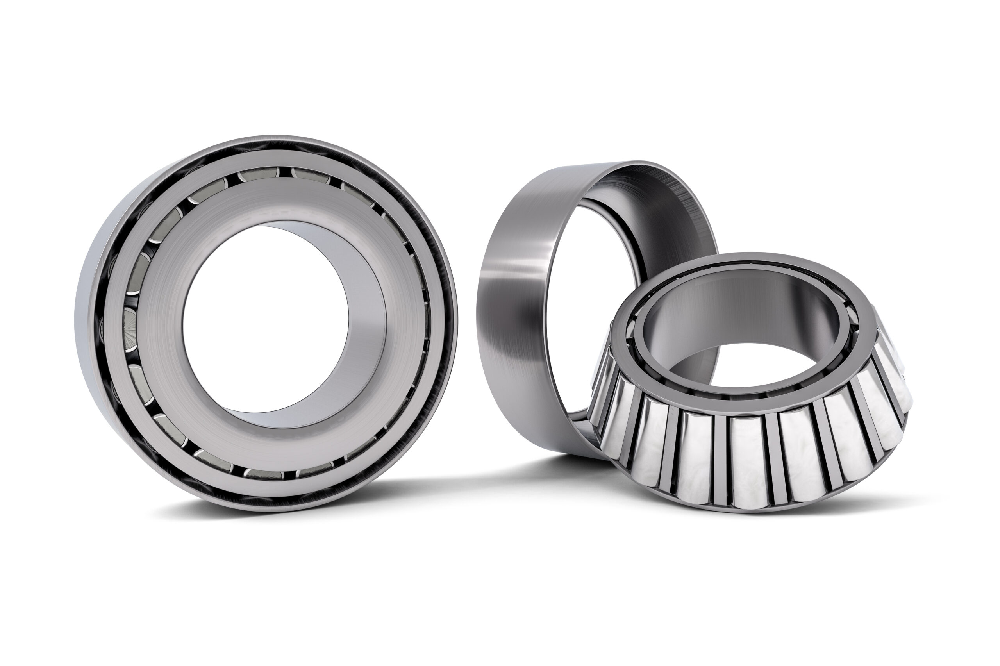
Tapered roller bearings are rolling-element bearings designed with conical rollers and raceways, enabling them to handle heavy radial loads along with substantial axial (thrust) loads acting in one direction. The unique geometry ensures that the projected lines of the roller and raceway surfaces intersect at a single point on the bearing axis, allowing true rolling motion without sliding. This design minimizes friction, heat generation, and wear, resulting in high efficiency and long service life. Tapered roller bearings are widely used in automotive wheel hubs, gearboxes, construction equipment, and heavy-duty industrial machinery where durability, load capacity, and reliable performance are critical
Deep groove ball bearing
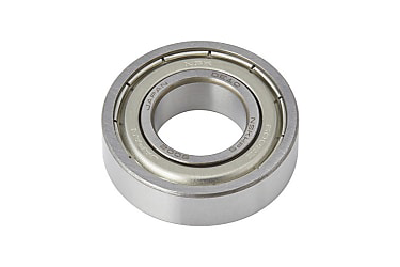
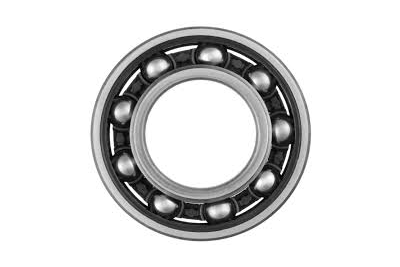
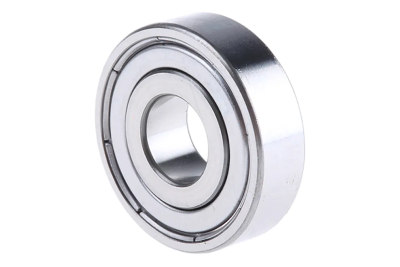
Deep groove ball bearings (DGBBs) are the most widely used and versatile type of rolling bearing in mechanical and industrial applications. They feature a simple yet robust design with deep raceway grooves that allow smooth and efficient operation. Known for their low friction and quiet performance, DGBBs can operate reliably at high rotational speeds with minimal maintenance. They are capable of handling both radial loads and moderate axial loads in both directions, making them suitable for electric motors, pumps, gearboxes, household appliances, and automotive components. Their durability, cost-effectiveness, and ease of installation make them a preferred choice across many industries.
Angular contact ball bearing
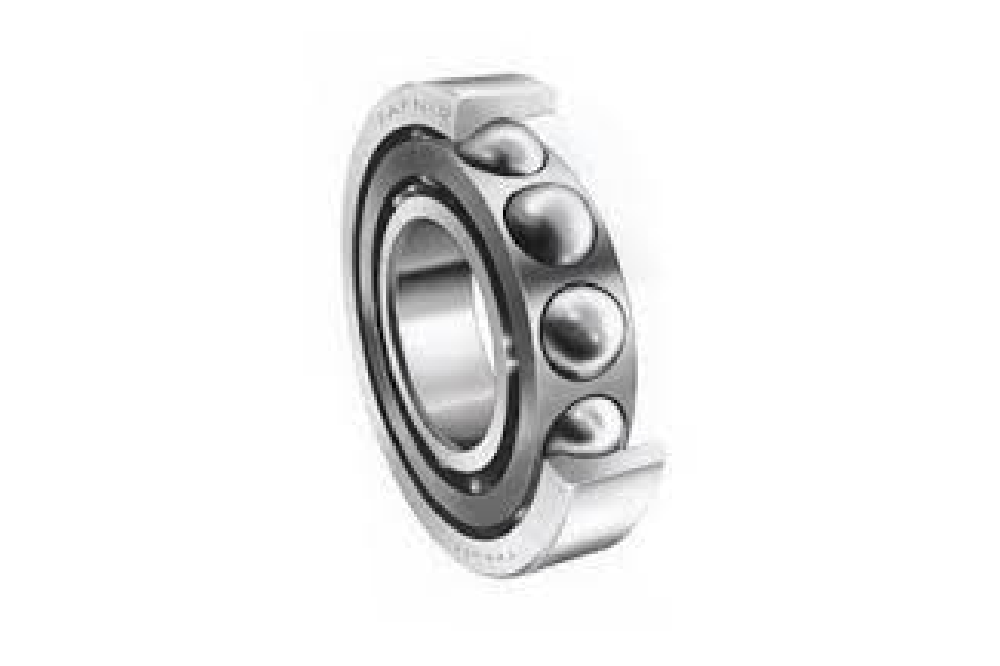
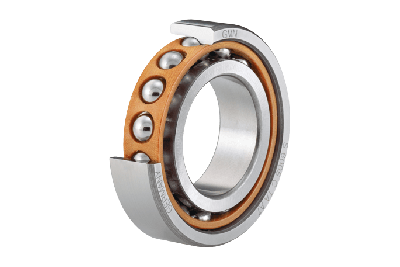
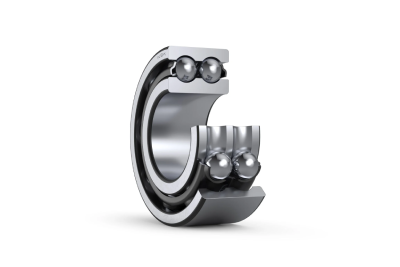
Angular contact ball bearings (ACBBs) are specifically engineered to support combined loads, meaning they can handle radial loads along with significant axial loads acting in one direction. This capability is achieved through the axial offset between the inner and outer ring raceways, which creates a defined contact angle between the balls and raceways. The contact angle allows the bearing to efficiently transmit axial forces while maintaining stable rotation. ACBBs are commonly used in high-speed and high-precision applications such as machine tool spindles, pumps, compressors, and automotive assemblies. They are often mounted in pairs or sets to accommodate axial loads in both directions and enhance system rigidity.
Cylindrical roller bearing
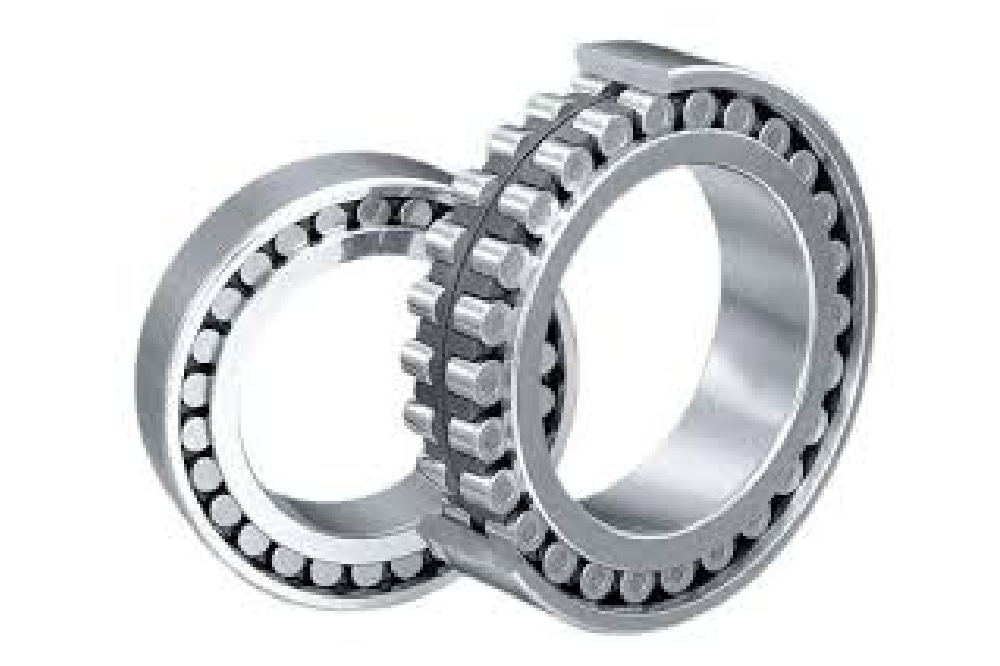
Cylindrical roller bearings use cylindrical rolling elements that create linear contact with the raceways, allowing them to support much higher radial loads compared to ball bearings. This line contact distributes loads more evenly, reducing stress and improving durability in heavy-duty applications. Their design supports relatively high operating speeds while maintaining stability and performance. Many cylindrical roller bearings feature separable inner and outer rings, which simplifies installation, inspection, and maintenance, especially in complex assemblies. These bearings are commonly used in electric motors, gearboxes, compressors, machine tools, and heavy machinery where high radial load capacity, rigidity, and reliable performance are essential under demanding operating conditions.
Tapered roller bearing
Thrust roller bearing
Cylindrical roller bearings use cylindrical rolling elements that create linear contact with the raceways, allowing them to support much higher radial loads compared to ball bearings. This line contact distributes loads more evenly, reducing stress and improving durability in heavy-duty applications. Their design supports relatively high operating speeds while maintaining stability and performance. Many cylindrical roller bearings feature separable inner and outer rings, which simplifies installation, inspection, and maintenance, especially in complex assemblies. These bearings are commonly used in electric motors, gearboxes, compressors, machine tools, and heavy machinery where high radial load capacity, rigidity, and reliable performance are essential under demanding operating conditions.
NEEDLE BEARING
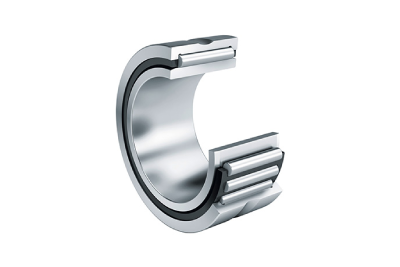
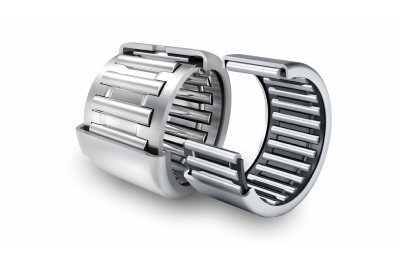
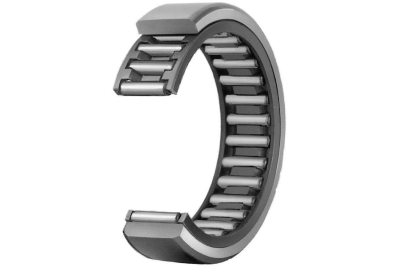
Needle roller bearings use long, thin cylindrical rollers that provide a large contact area with the raceways, allowing them to support high radial loads despite their compact size. Their low-profile, small cross-section makes them ideal for applications with strict space constraints where standard bearings cannot be accommodated. These bearings offer excellent load-carrying capacity, rigidity, and reliability while maintaining efficient performance. Needle roller bearings are commonly used in automotive transmissions, compressors, two-wheelers, industrial gearboxes, and machine tools. They can operate with or without an inner ring, offering design flexibility and making them a practical solution for lightweight, high-load, and space-saving mechanical systems.
Spherical roller bearing
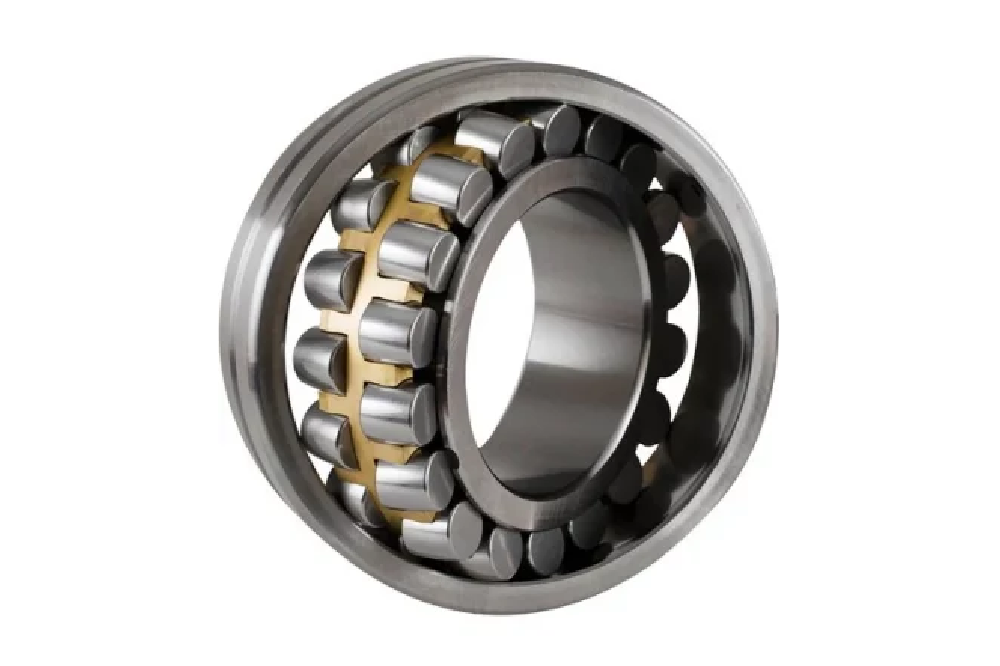
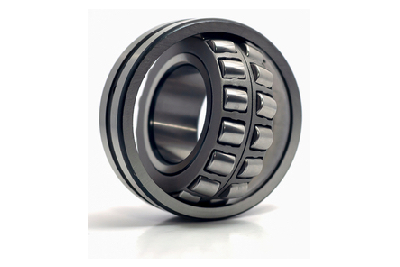
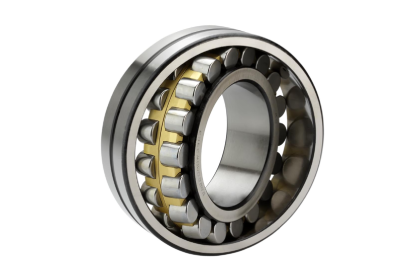
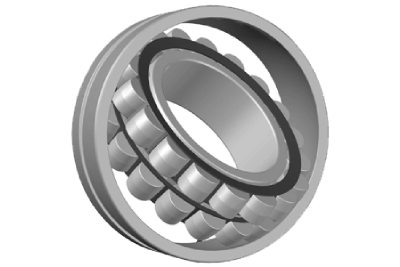
Spherical roller bearings (SRBs) are heavy-duty rolling element bearings designed to carry extremely high radial loads along with substantial axial loads in both directions. They feature barrel-shaped rollers arranged in two rows, running on a common spherical raceway in the outer ring. This unique design provides a self-aligning capability, allowing the bearing to compensate for shaft misalignment, housing inaccuracies, or shaft deflection without compromising performance. SRBs offer high load capacity, robustness, and long service life, even under shock loads and harsh operating conditions. They are widely used in mining equipment, crushers, conveyors, wind turbines, and heavy industrial machinery where reliability is critical.
block bearing
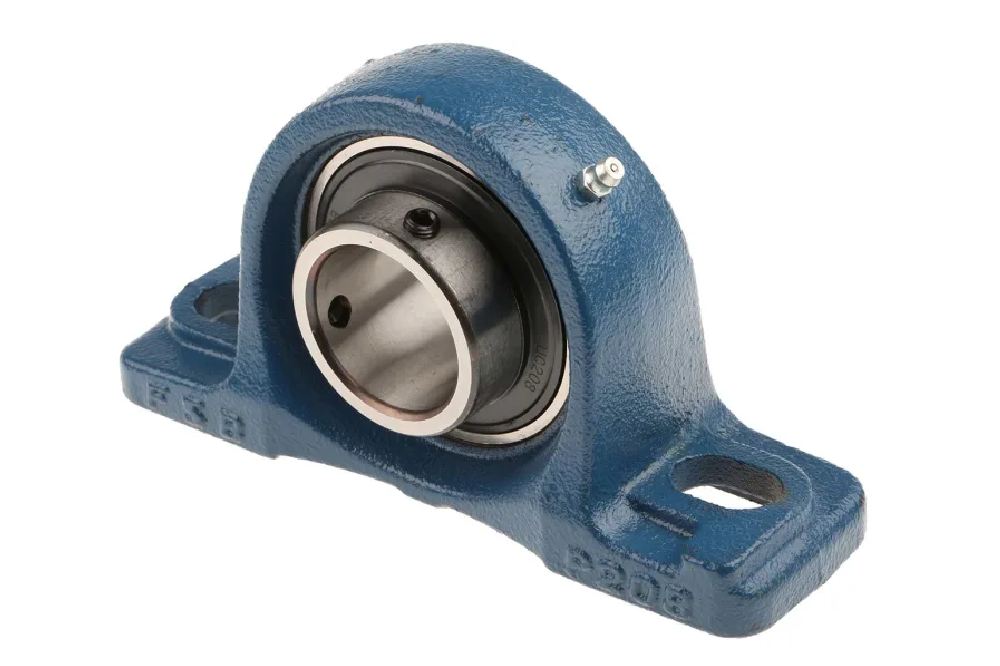
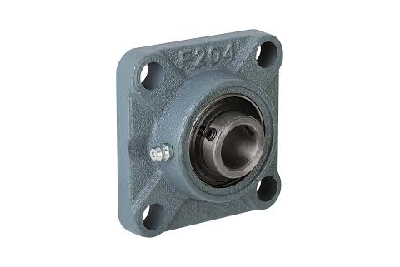
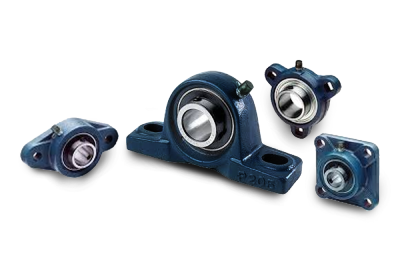
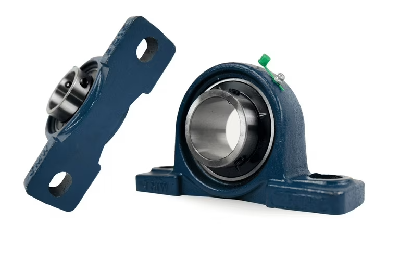
A block bearing, commonly known as a pillow block bearing or plummer block bearing, is a mounted bearing unit that consists of a precision bearing insert enclosed within a strong, durable housing or pedestal. This assembly is designed to support a rotating shaft while being securely bolted to a base or foundation. Block bearings help reduce friction between moving components, ensure smooth and efficient rotation, and enhance overall equipment performance. They are engineered to accommodate slight shaft misalignment, absorb vibrations, and handle radial and axial loads. Commonly used in conveyors, fans, agricultural machinery, and industrial equipment, block bearings improve reliability, extend service life, and simplify maintenance and installation processes
CAM FOLLOWER BEARING
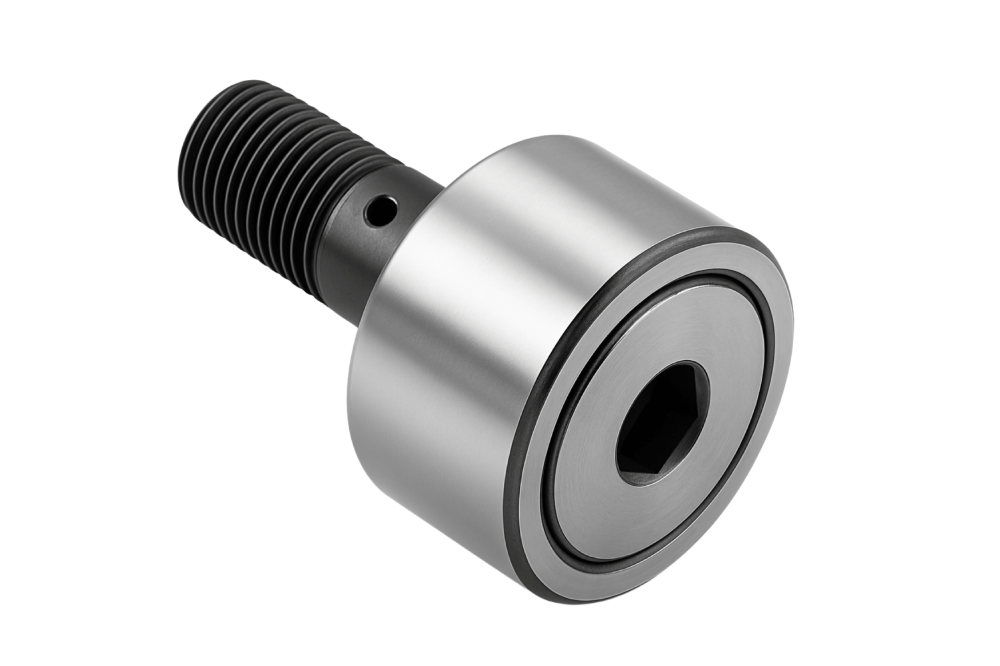
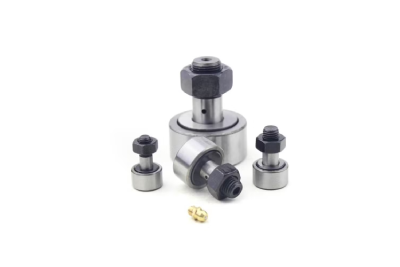
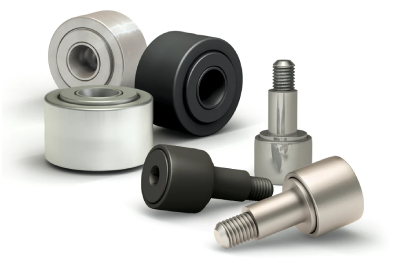
A cam follower bearing, also known as a track roller, is a specialized type of rolling bearing designed to follow the profile of a cam, rail, or guide track with high accuracy. It typically features a thick outer ring that withstands heavy loads and repeated contact stress while rolling smoothly along the track. Cam follower bearings are essential for converting rotary motion into controlled linear or oscillating movement. They provide excellent load-carrying capacity, low friction, and long service life. Commonly used in automation systems, packaging machines, conveyors, and machine tools, cam followers ensure precise motion control, reduced wear, and reliable performance in demanding industrial applications.
THRUST NEEDLE BEARING
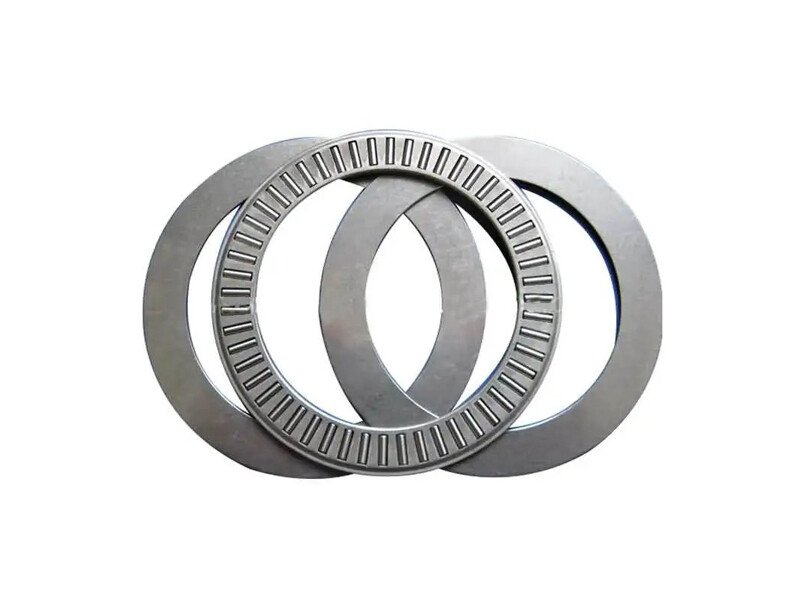
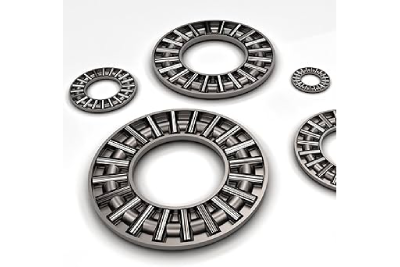
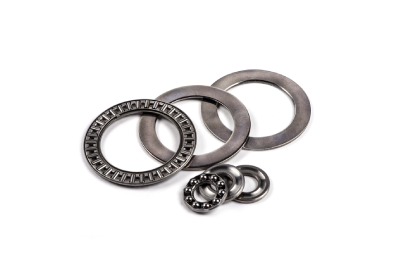
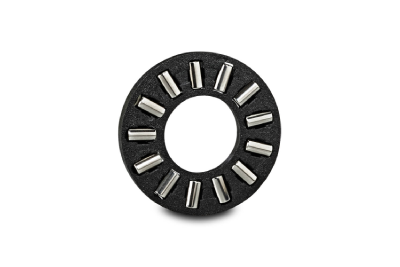
Thrust needle roller bearings are compact rolling bearings specifically designed to support heavy axial loads acting parallel to the shaft in applications with limited axial space. They utilize a full complement of long, thin needle rollers arranged between hardened washers, providing high rigidity and excellent load-carrying capacity. Despite their strength, these bearings maintain a very low sectional height, similar to that of a conventional thrust washer. This makes them ideal for space-constrained designs requiring efficient axial load support. Thrust needle roller bearings are commonly used in automotive transmissions, gearboxes, machine tools, and industrial equipment where precise axial positioning, durability, and compact design are essential.
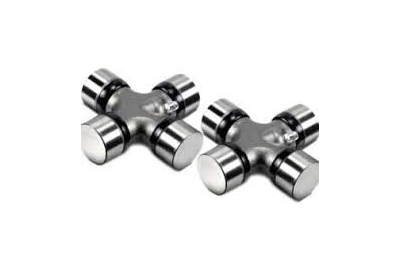
UNIVERSAL CROSS JOINTS
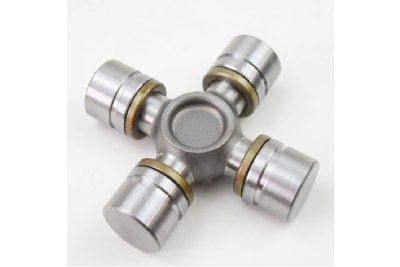
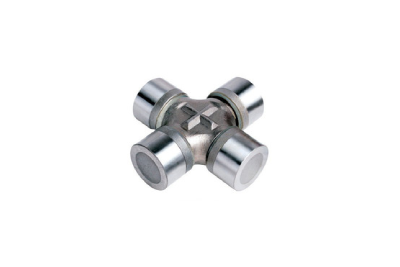
A universal cross joint, also known as a U-joint, Cardan joint, or cross-shaped universal joint, is a mechanical coupling used to connect two rotating shafts while allowing the transmission of torque and motion between them. It is specifically designed to accommodate angular misalignment between shaft axes, ensuring smooth power transfer in dynamic operating conditions. The joint consists of a cross-shaped central component with bearing caps that enable flexible movement. Universal joints are widely used in automotive drivetrains, industrial machinery, steering systems, and power transmission equipment. They help reduce stress on connected components, compensate for alignment variations, and maintain efficient, reliable rotation across varying angles.
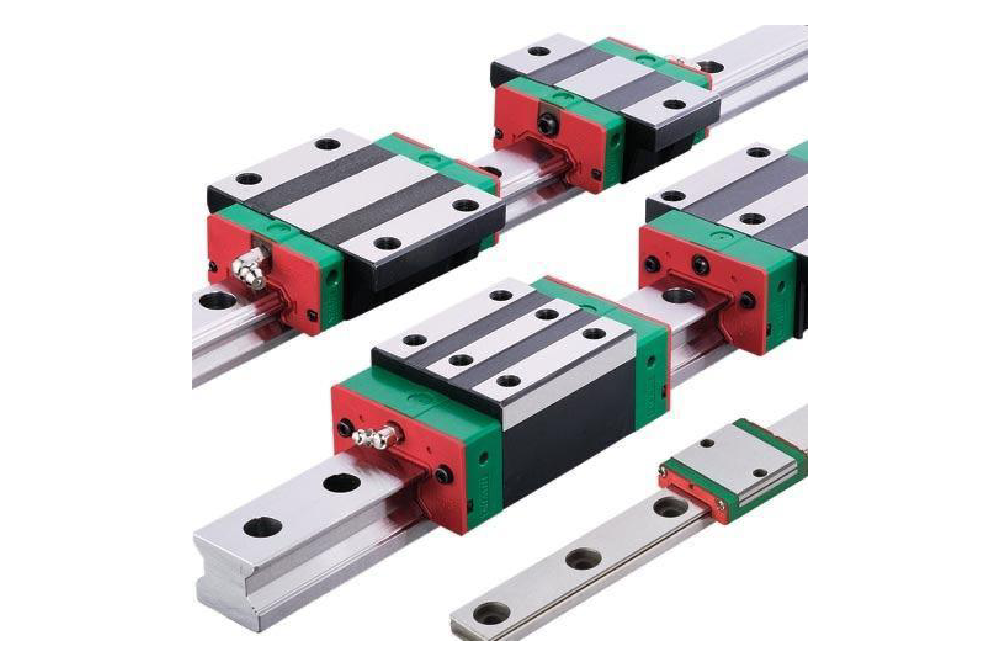
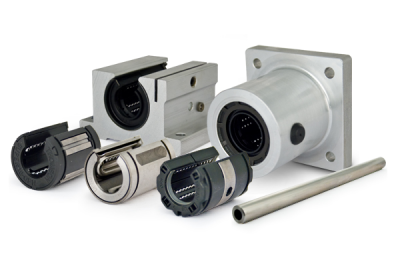
Linear motion bearing
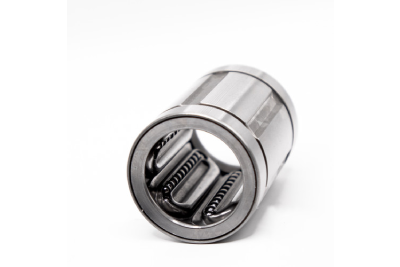
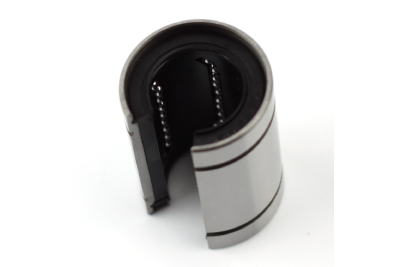
A linear motion bearing, also known as a linear slide or linear guide, is a mechanical component designed to enable smooth, accurate, and controlled movement in a single straight line. Unlike conventional rolling or plain bearings that support rotational motion, linear bearings guide moving parts along a defined linear path with minimal friction and wear. They typically use rolling elements such as balls or rollers running between precision-machined raceways to ensure consistent motion and high positional accuracy. Linear motion bearings are widely used in CNC machines, automation systems, robotics, packaging equipment, and precision instruments, where repeatable movement, rigidity, and reliability are essential for efficient and accurate operation.
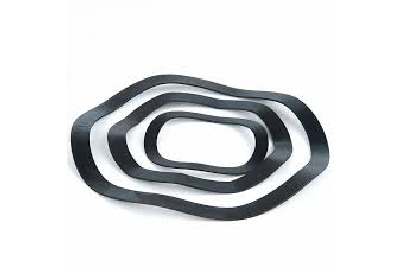
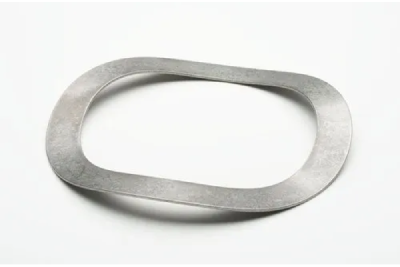
WAVE WASHERS
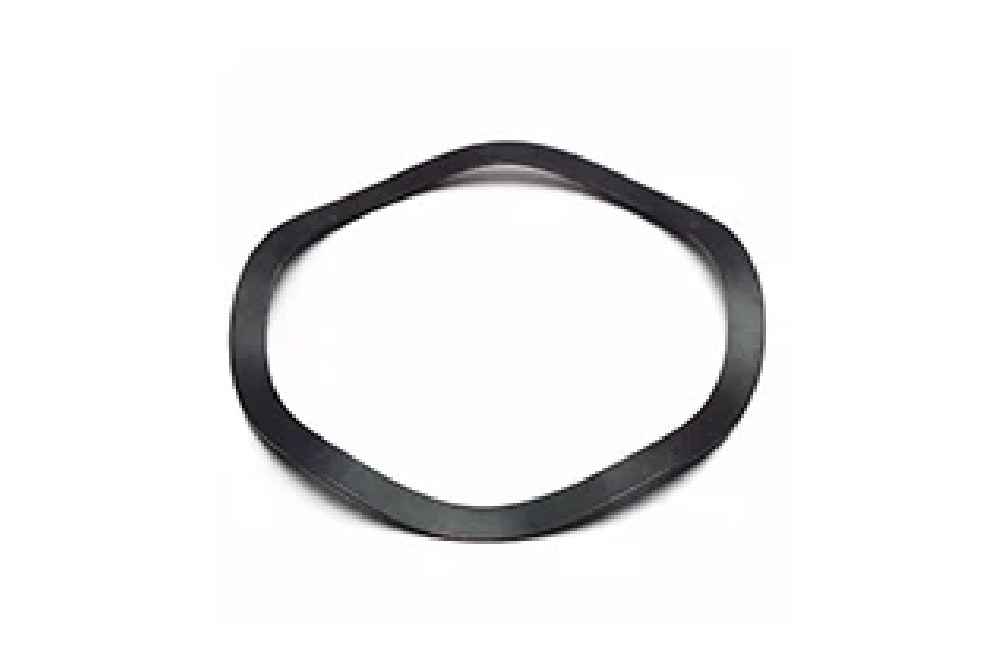
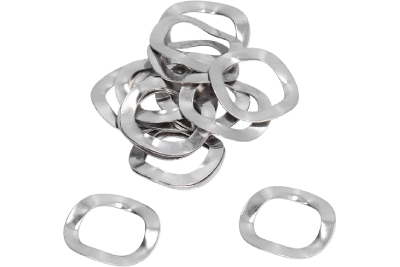
Wave washers are specialized spring washers featuring a distinctive wavy profile that provides a controlled spring force within compact mechanical assemblies. They are designed to absorb shock, reduce vibration, and compensate for dimensional tolerances or thermal expansion in components where axial space is limited. By applying consistent load and maintaining tension, wave washers help prevent loosening caused by movement or wear. They are commonly used in bearings, seals, electric motors, gear assemblies, and precision instruments. Available in single-wave or multi-wave designs and various materials, wave washers offer reliable performance, improved stability, and extended service life while allowing designers to reduce overall assembly size without compromising functionality.
ROD END BEARING
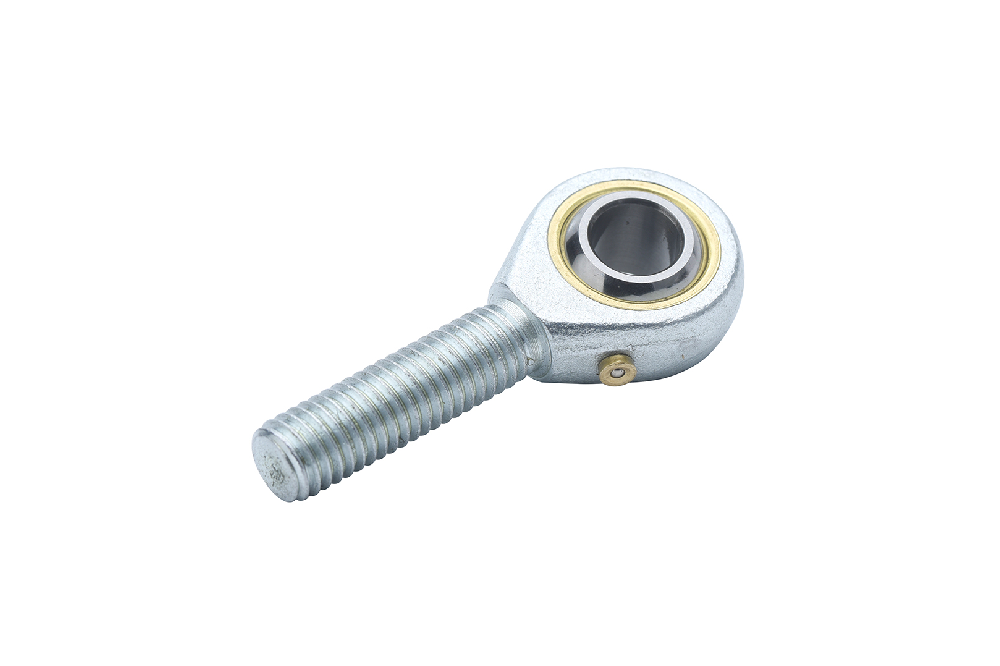
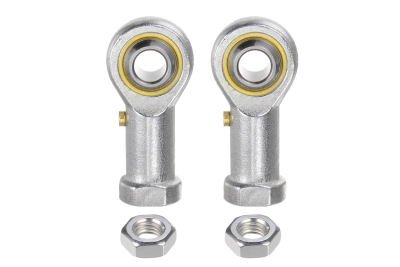
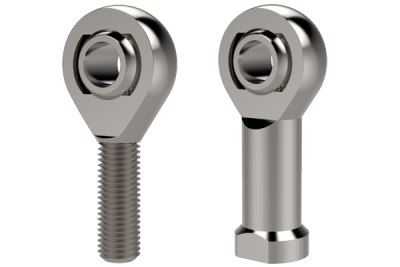
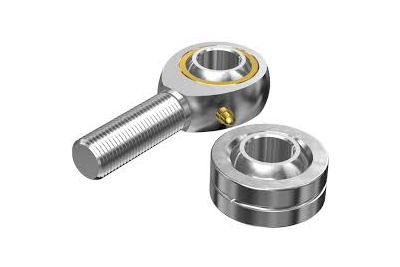
A rod end bearing, commonly known as a heim joint or rose joint, is a mechanical articulating joint consisting of a spherical plain bearing enclosed within an eye-shaped housing and fitted with an integral threaded shank. It is designed to create a flexible connection between mechanical components while allowing angular movement and misalignment. This design enables the efficient transfer of tensile and compressive forces without inducing bending stresses on adjoining parts. Rod end bearings are widely used in automotive steering and suspension systems, control linkages, aerospace mechanisms, and industrial machinery. Their compact design, strength, and ability to accommodate dynamic motion make them ideal for applications requiring precise alignment, durability, and reliable load transmission under varying operating conditions.