V BELTS
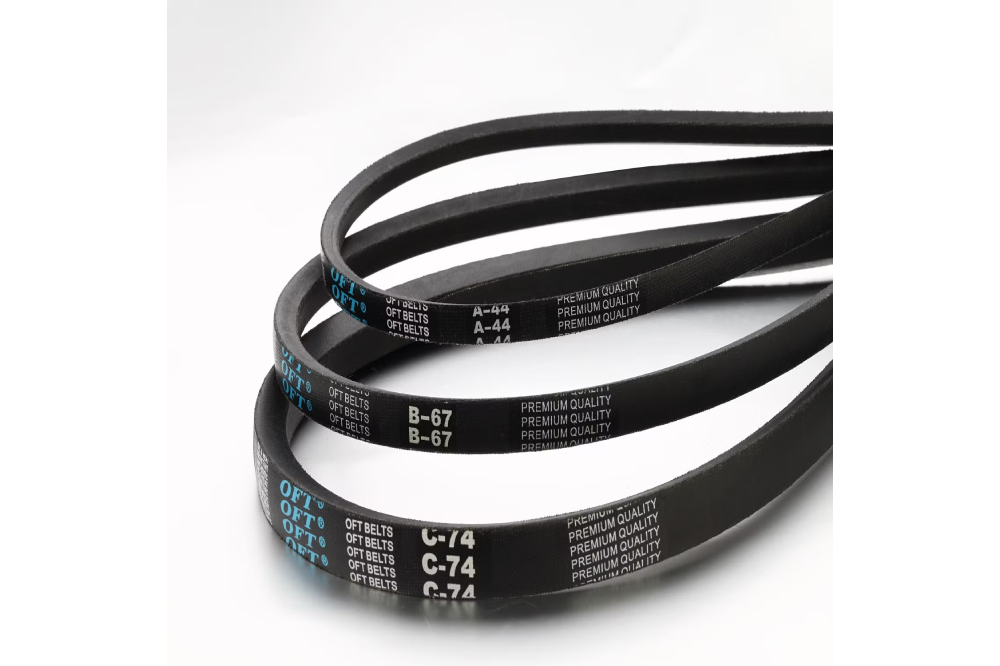
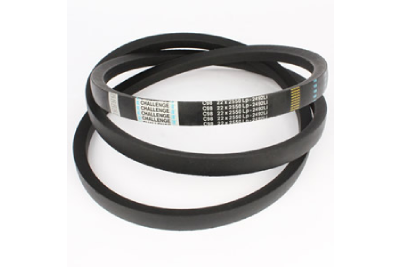
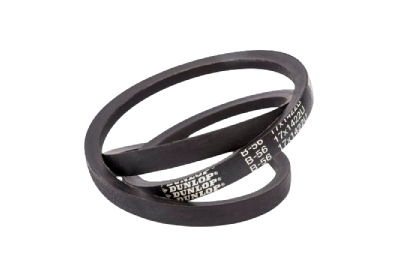
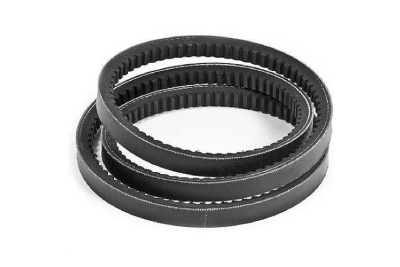
V-belts are flexible power transmission components featuring a trapezoidal cross-section, designed to efficiently transfer mechanical power between grooved pulleys, also known as sheaves. Their unique shape allows the belt to wedge securely into the pulley grooves, providing excellent grip and minimizing slippage. V-belts are widely valued for their reliable performance, low maintenance requirements, and long service life. They also help absorb shocks, reduce noise, and dampen vibrations, protecting connected machinery from sudden load changes. Commonly used in industrial machinery, automotive systems, HVAC equipment, and agricultural machines, V-belts offer a cost-effective and dependable solution for power transmission applications.
Timing belts
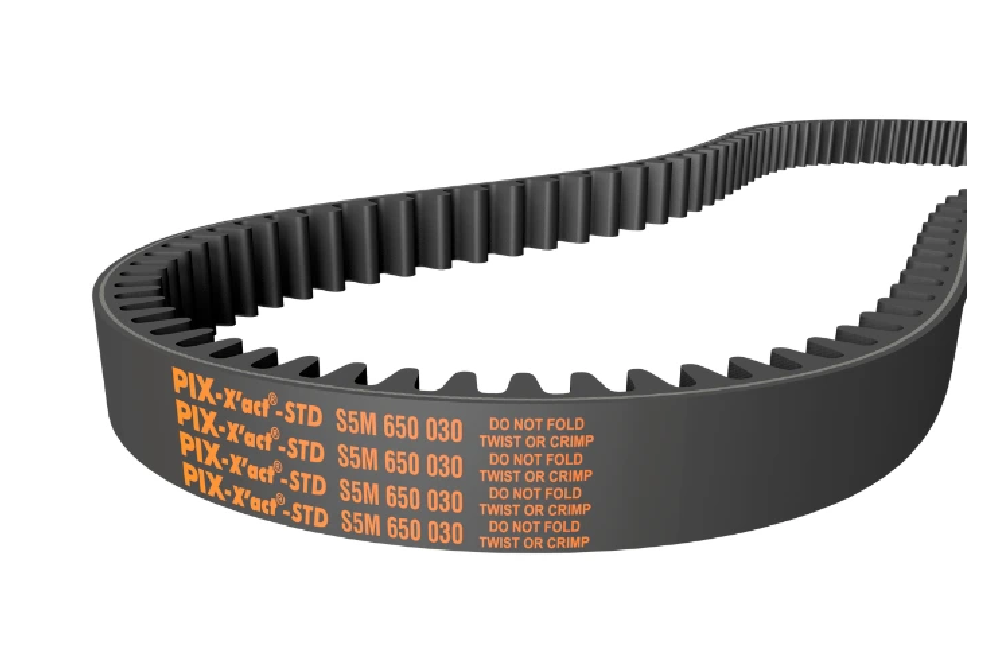
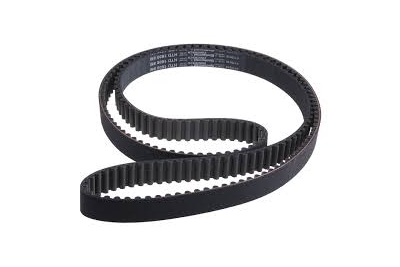
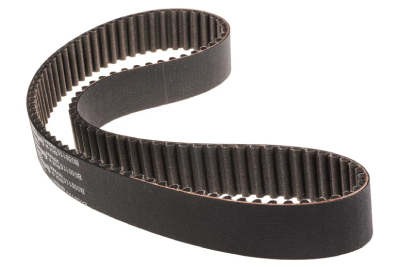
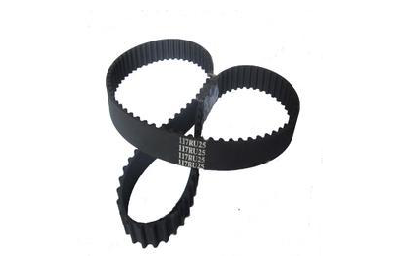
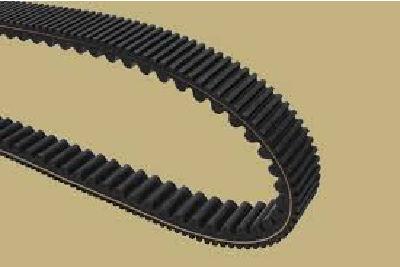
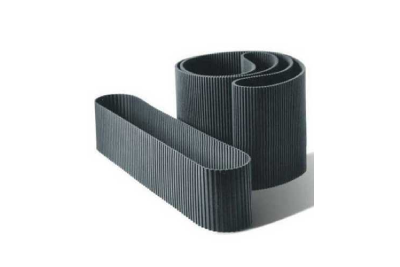
Timing belts are reinforced power transmission belts with precisely molded teeth that engage with matching toothed pulleys to deliver accurate, slip-free motion. They are designed to synchronize the movement of mechanical components, most notably the crankshaft and camshaft in internal combustion engines, ensuring that valves and pistons operate in perfect harmony. This precise timing is essential for engine efficiency, performance, and preventing mechanical damage. Timing belts are typically made from durable rubber compounds and reinforced with fiberglass or aramid cords for strength and longevity. Beyond automotive engines, they are also used in industrial machinery, conveyors, and automation systems where exact positioning and timing are critical.
Variable speed belt
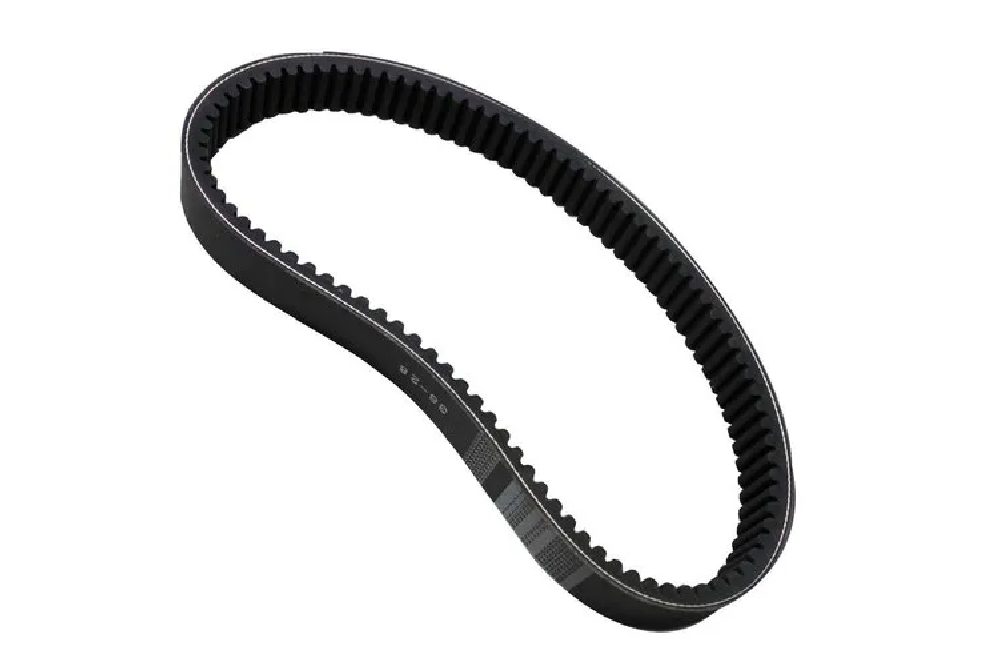
A variable speed belt, also known as an adjustable speed belt, is a specialized power transmission component designed for use in variable-speed drives or continuously variable transmissions (CVTs). It enables smooth and continuous changes in the speed of the driven shaft while the system is in operation. These belts work with variable-diameter pulleys to adjust speed ratios without interrupting power flow. Variable speed belts are engineered for high flexibility, strength, and resistance to wear under changing loads. They are commonly used in industrial machinery, machine tools, conveyors, and agricultural equipment where precise speed control, efficiency, and smooth performance are essential.
Conveyor belt
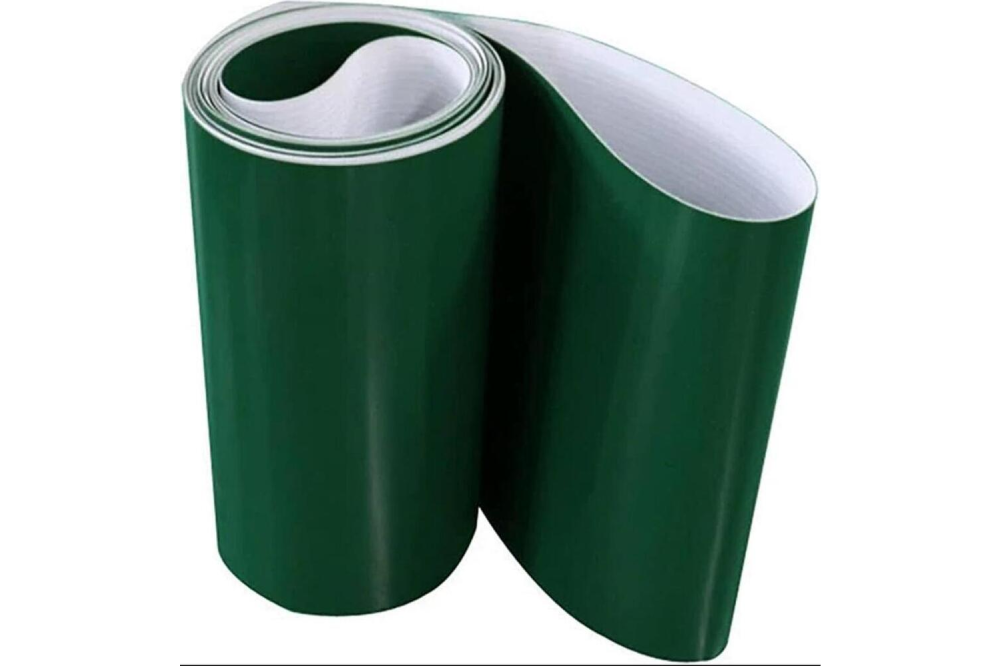
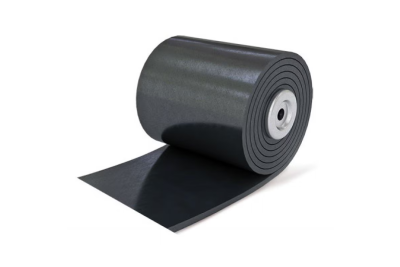
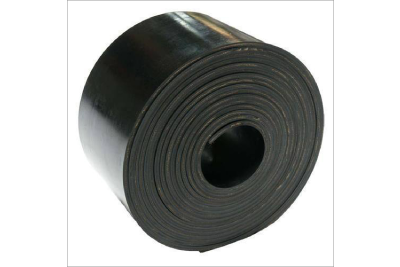
A conveyor belt is a continuous loop of material that acts as the carrying medium within a conveyor system, designed to transport materials, products, or goods efficiently and safely from one location to another. Conveyor belts are essential in industries such as manufacturing, mining, logistics, food processing, and packaging. They are available in various materials, including rubber, PVC, fabric, metal, and modular plastics, selected based on load capacity, speed, temperature, and environmental conditions. Conveyor belts improve productivity by enabling continuous material flow, reducing manual handling, and enhancing workplace safety while ensuring reliable, cost-effective, and streamlined operations across diverse industrial applications.
Sandwich belts
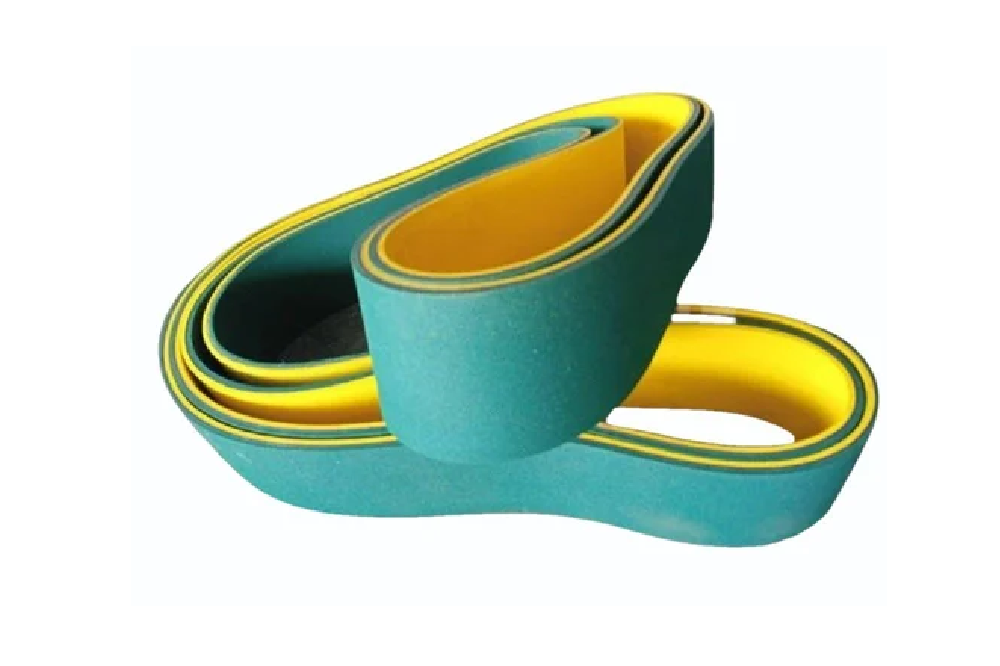
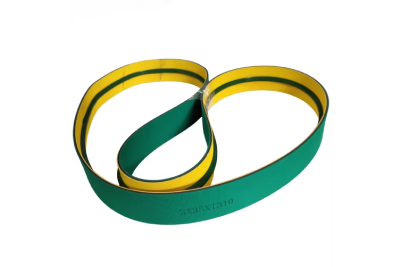
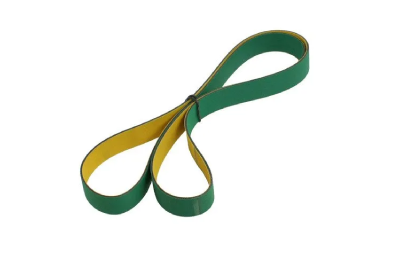
A sandwich belt conveyor is an advanced material handling system that uses two conveyor belts arranged face-to-face to securely grip and enclose the conveyed material. This unique configuration prevents spillage and ensures stable transport, even for loose, bulk, or delicate materials. The key advantage of a sandwich belt conveyor is its ability to move materials at steep inclines, including vertical lifts up to 90 degrees, which is not possible with conventional flat belt conveyors. By minimizing transfer points and space requirements, these systems improve efficiency and reduce material loss. Sandwich belt conveyors are widely used in mining, construction, recycling, and industrial processing applications.
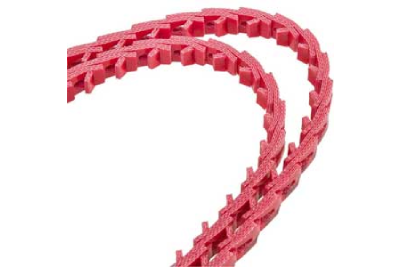
Link belt
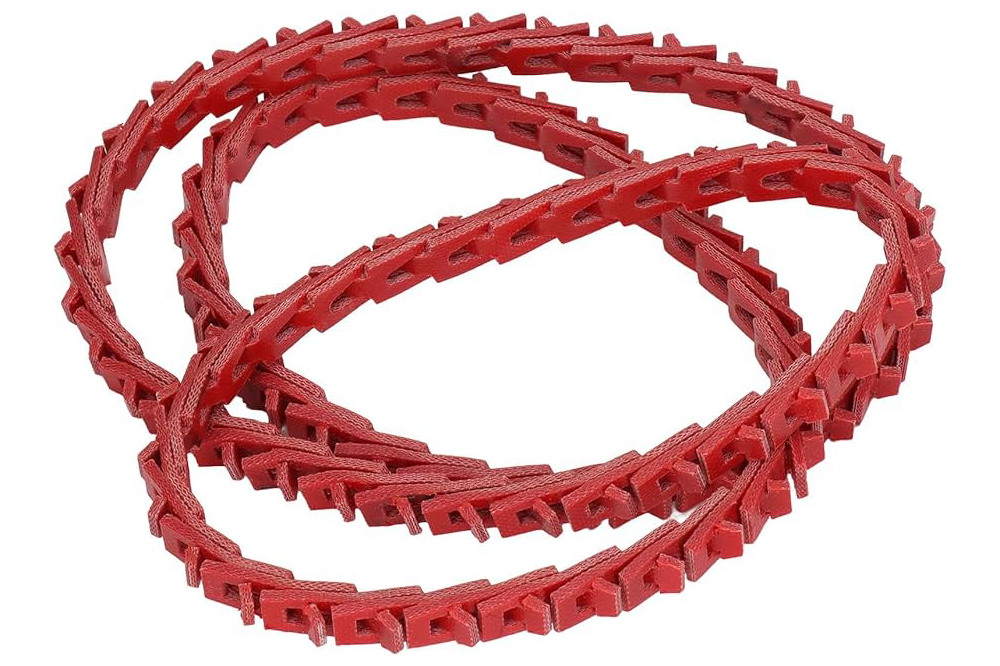
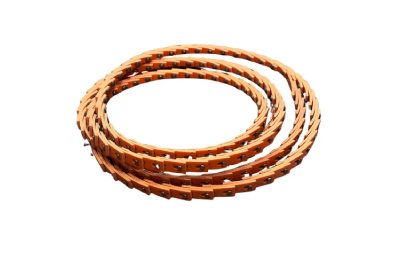
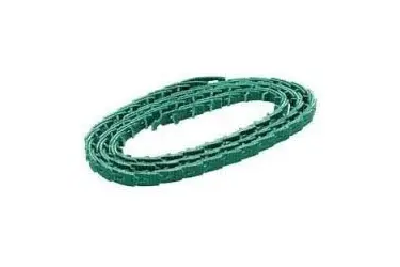
The term “Link-Belt” commonly refers to a well-known brand associated with two primary categories of industrial products: heavy machinery, particularly cranes, and power transmission components such as belts and bearings. Separately, a “link belt” as a generic term describes a type of adjustable V-belt made from interlocking individual links. These belts can be easily assembled to any required length without tools, offering flexibility and convenience during installation. Link belts are valued for their ability to reduce vibration, improve alignment tolerance, and simplify maintenance. They are widely used in industrial machinery, woodworking equipment, and applications where quick replacement and smooth operation are important.
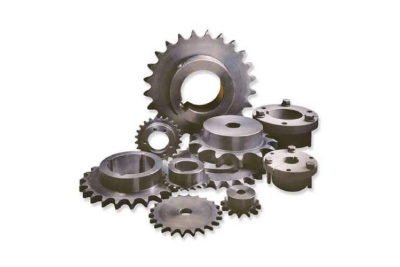
SPROCKETS
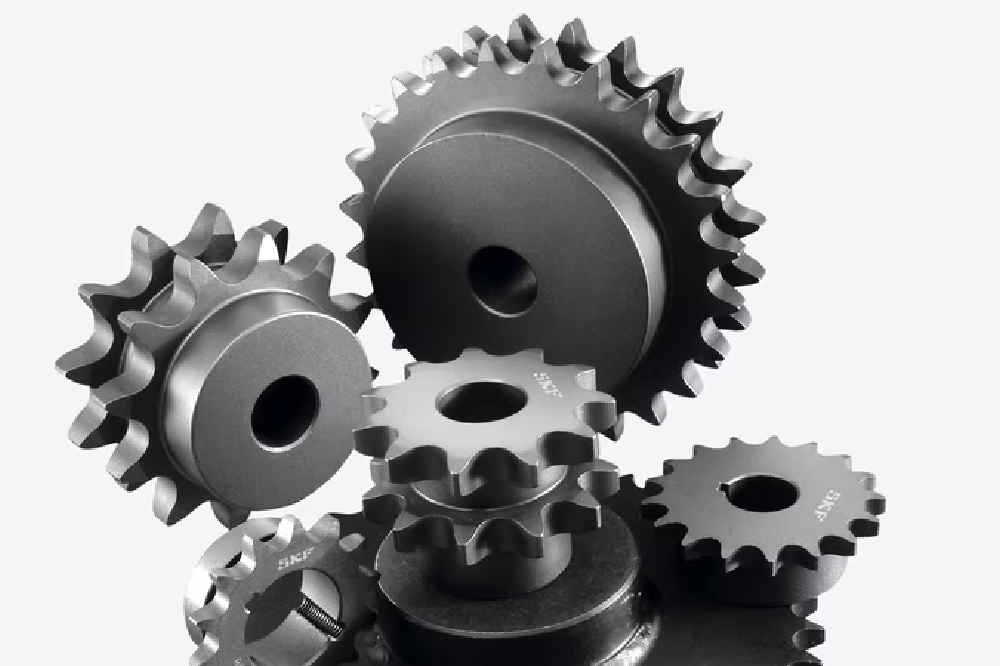
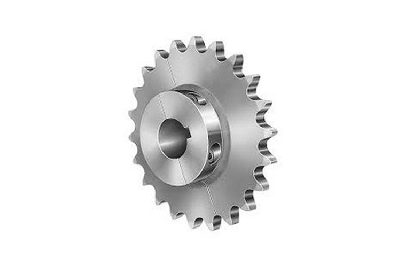
A sprocket is a toothed or profiled wheel designed to engage with a chain, track, or other perforated material to transmit rotary motion or mechanical power. Unlike gears, sprockets do not mesh directly with one another; instead, they operate as part of a chain and sprocket system. This design ensures positive, slip-free power transmission and precise speed control. Sprockets are commonly used in bicycles, motorcycles, conveyors, agricultural equipment, and industrial machinery. They are available in various sizes, tooth profiles, and materials to suit different loads and operating conditions, making them a reliable and efficient solution for power transmission applications.
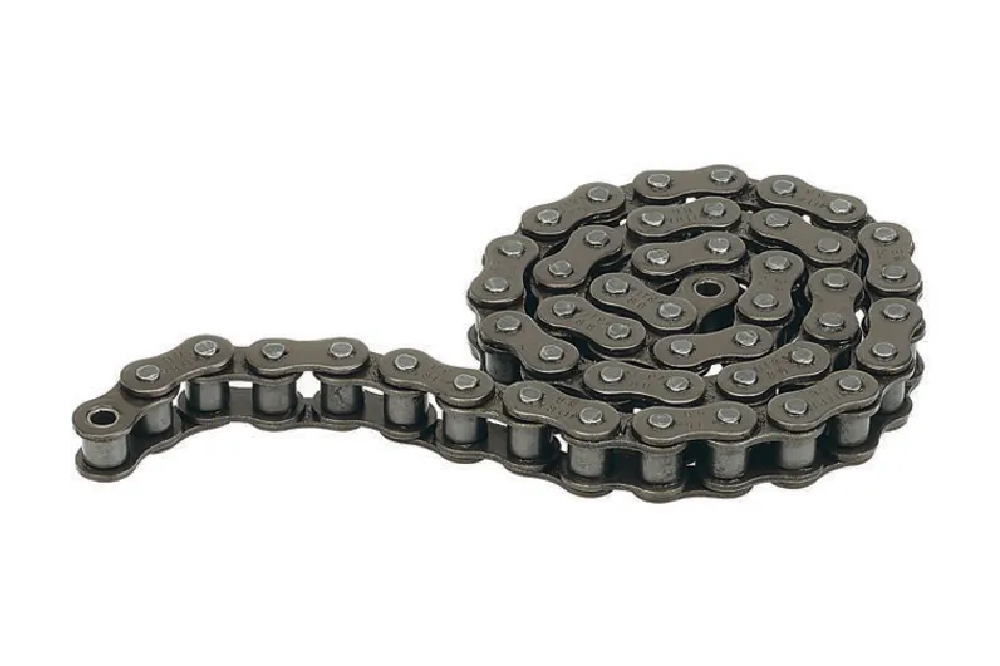
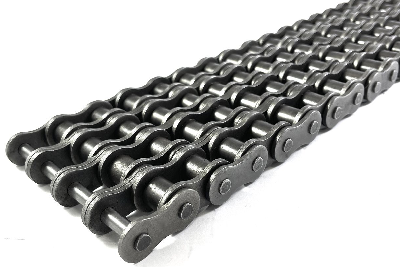
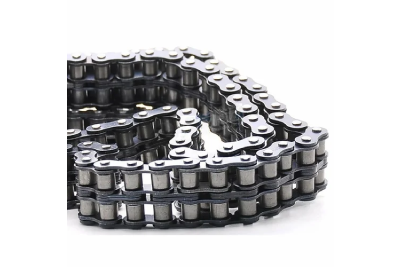
ROLLER CHAINS
Industrial roller chains are essential mechanical components used to transmit power, convey materials, and lift heavy loads across a wide range of industrial, agricultural, and automotive applications. They are constructed from interconnected inner and outer plates, pins, bushings, and rollers that work together to engage smoothly with sprockets. This design ensures efficient, positive power transmission with minimal slippage and high load-carrying capacity. Roller chains are valued for their durability, strength, and ability to operate in demanding environments. Commonly used in conveyors, manufacturing equipment, farm machinery, and engines, industrial roller chains provide reliable performance, long service life, and consistent operation under continuous and heavy-duty conditions.
PULLEYS
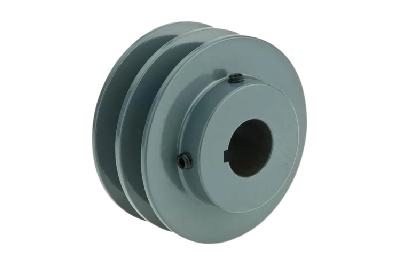
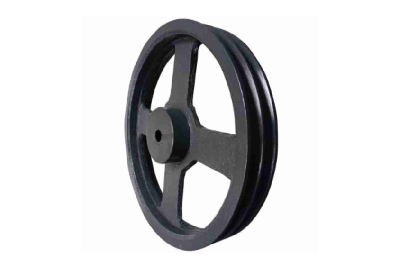
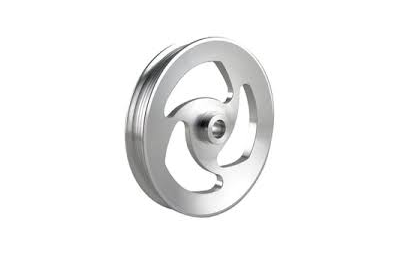
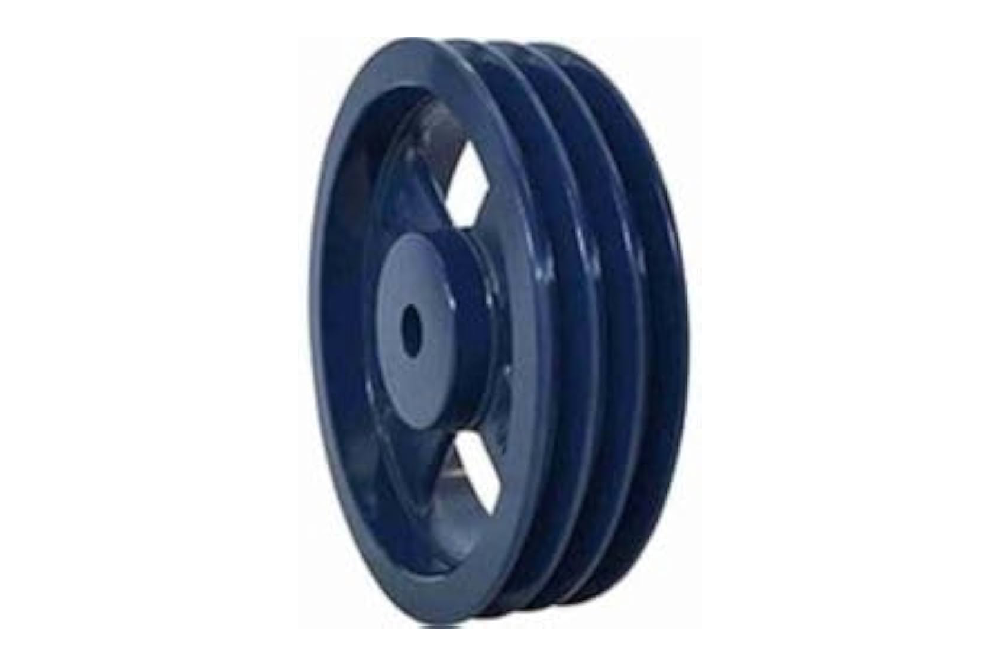
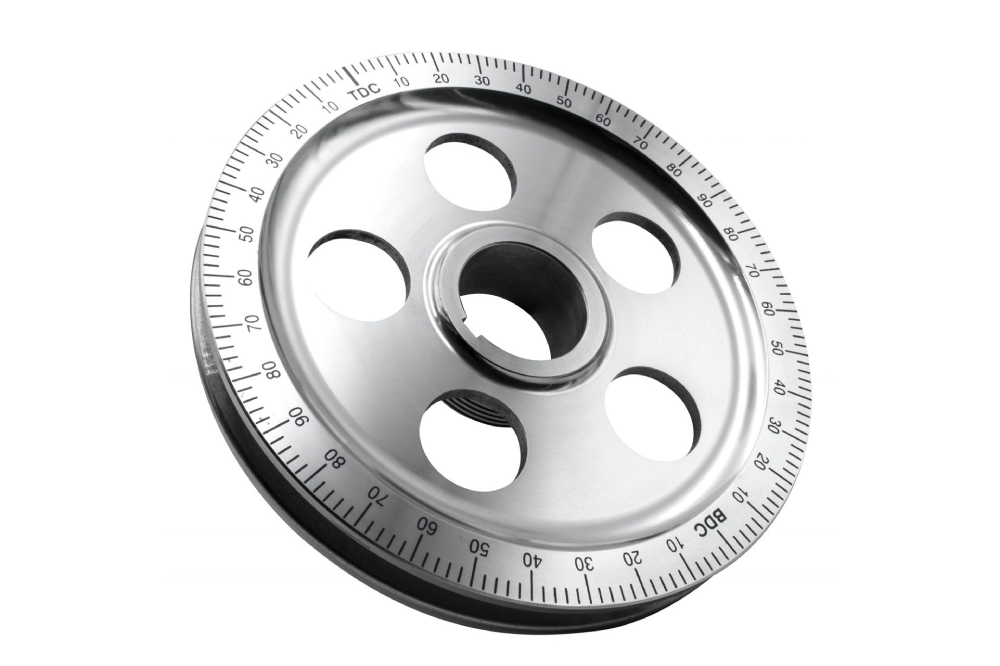
Pulleys are fundamental mechanical devices consisting of a rotating wheel, commonly known as a sheave, mounted on an axle or shaft. They are designed to support motion, change the direction of an applied force, transmit rotational power, or provide mechanical advantage. Pulleys may be used individually or combined in systems to reduce effort and improve efficiency. They play a critical role in lifting, conveying, and power transmission applications. Commonly found in industrial machinery, cranes, elevators, conveyors, and everyday tools, pulleys help manage loads smoothly and safely. Their versatility, simplicity, and reliability make them indispensable across many mechanical and practical applications.
Aluminum pulley
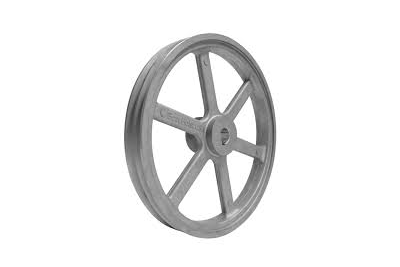
Aluminum pulleys are lightweight yet durable mechanical components widely used in power transmission and lifting systems across various industries. They are favored for their excellent strength-to-weight ratio, which reduces overall system weight and improves efficiency without compromising performance. Aluminum’s natural resistance to corrosion makes these pulleys suitable for humid, marine, and outdoor environments, often providing a longer service life than steel or cast iron in such conditions. Additionally, aluminum pulleys offer good heat dissipation, smooth operation, and lower inertia, resulting in reduced wear on belts and bearings. These advantages make aluminum pulleys a reliable and cost-effective choice for industrial machinery, HVAC systems, conveyors, and automation equipment.
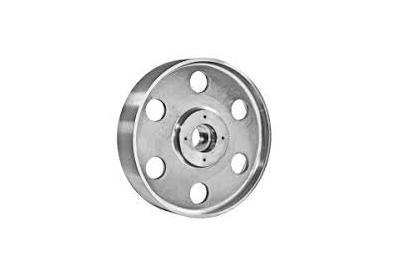
TIMING PULLEY
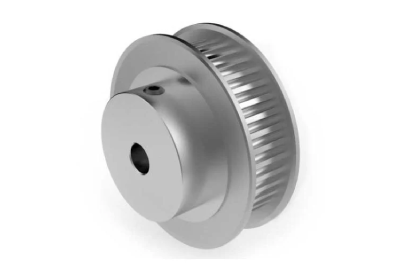
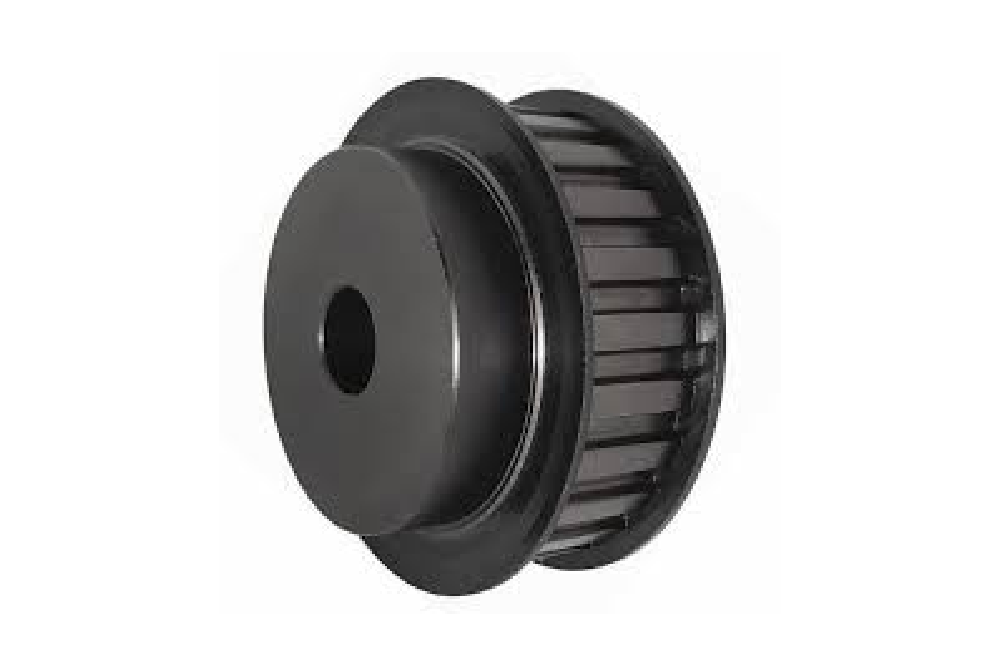
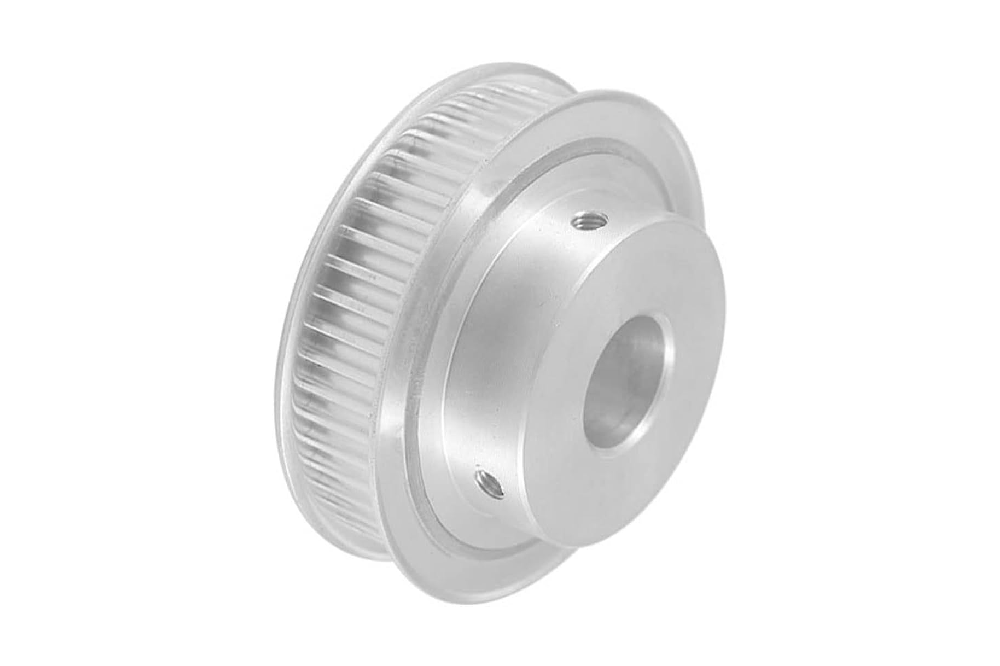
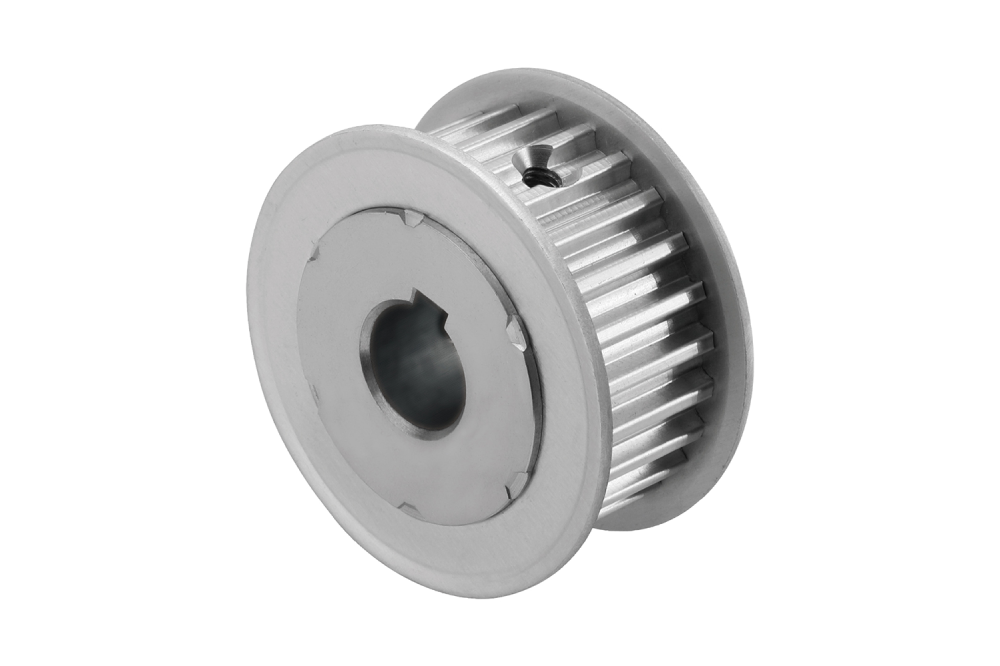
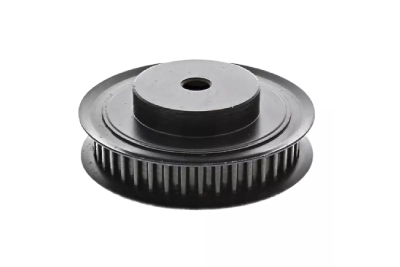
A timing pulley, also called a toothed or synchronous pulley, is a precision mechanical component used together with a timing belt to transmit power and rotational motion with exact synchronization. The pulley features a toothed profile that accurately meshes with the matching teeth of the belt, eliminating slippage and maintaining a constant speed ratio. This ensures precise positioning and reliable motion control, similar to gear or chain drives but with quieter and smoother operation. Timing pulleys are widely used in automotive engines, CNC machines, robotics, printers, and automation systems where accurate timing, efficiency, and repeatability are essential for optimal performance and long-term reliability.
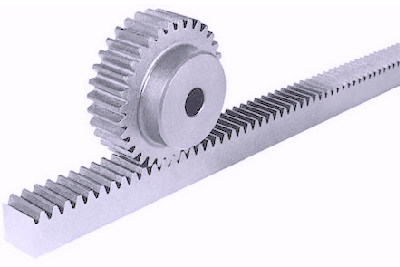
Rack and pinion GEAR
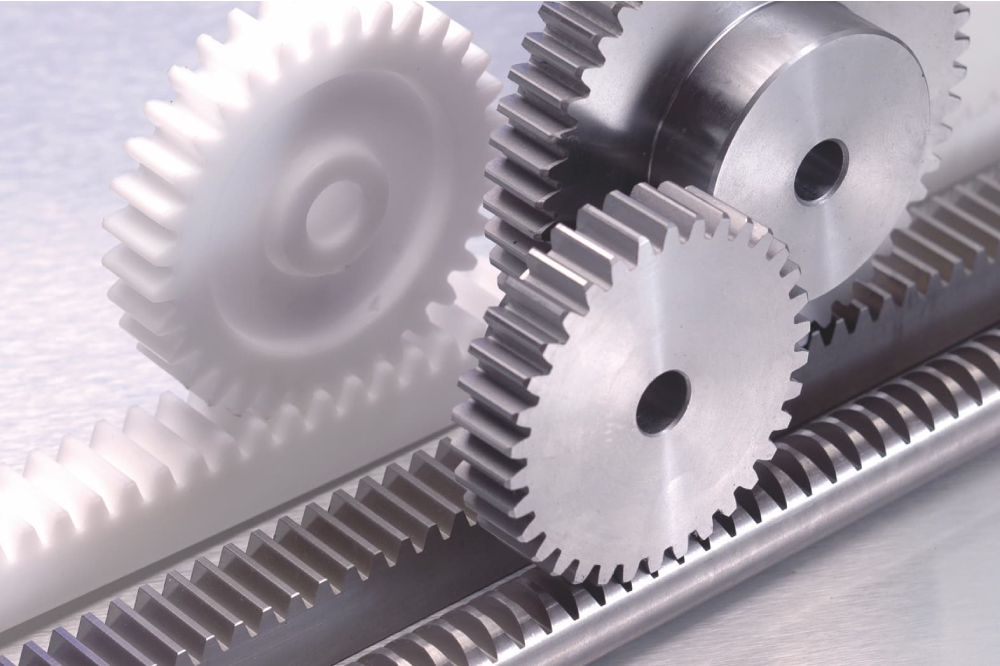
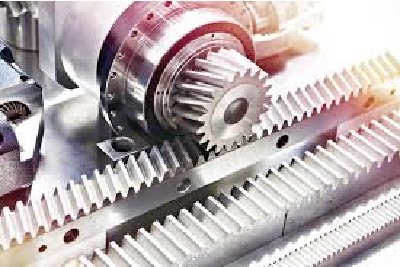
A rack and pinion is a mechanical device made up of a circular gear, known as the pinion, that meshes with a straight, toothed bar called the rack. This arrangement is used to convert rotational motion into linear motion, or linear motion back into rotational motion, with high precision and efficiency. As the pinion rotates, its teeth engage the rack, causing it to move in a straight line. Rack and pinion systems are valued for their simple design, accuracy, and reliability. They are commonly used in automobile steering systems, CNC machines, industrial automation, elevators, and positioning equipment where smooth, controlled, and repeatable linear movement is essential for consistent performance and safe operation.