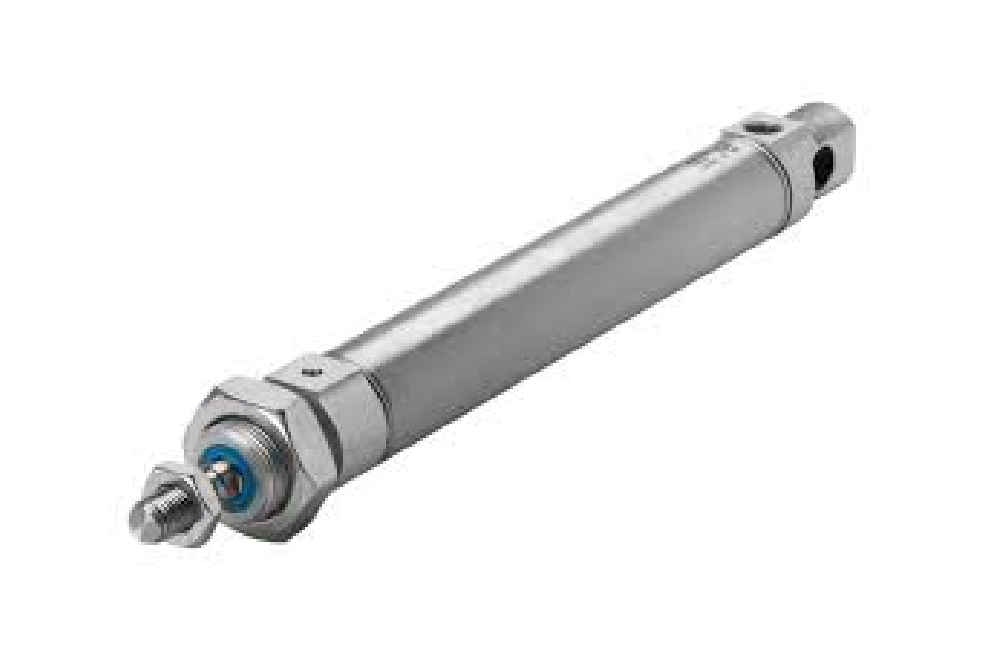
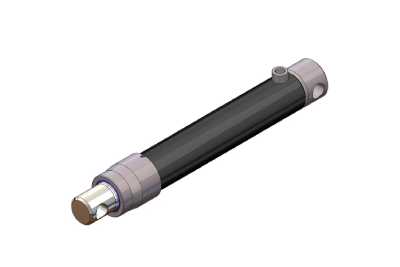
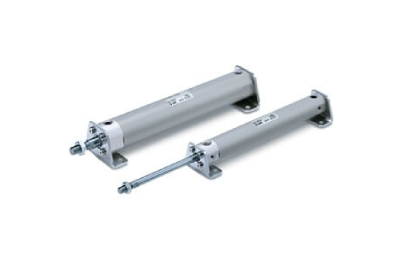
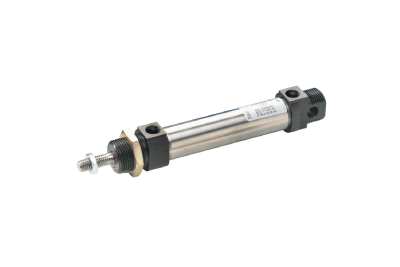
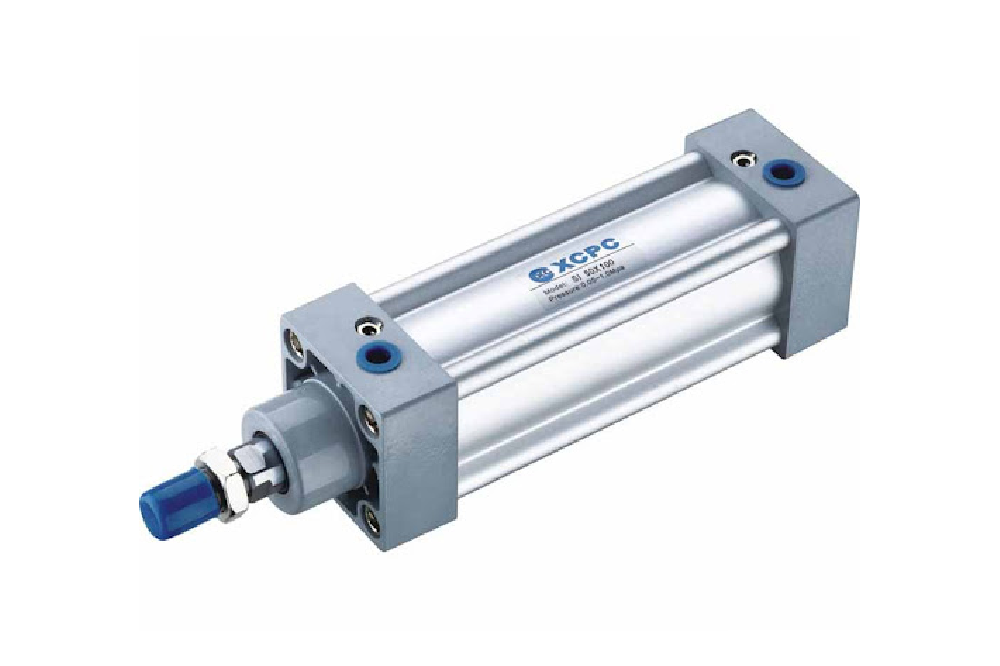
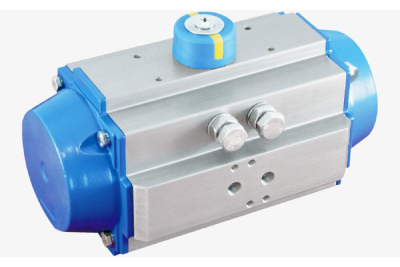
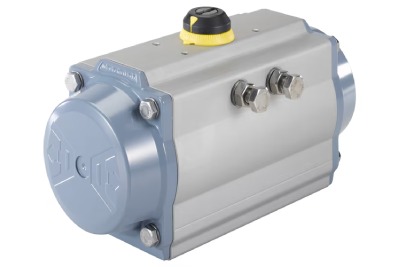
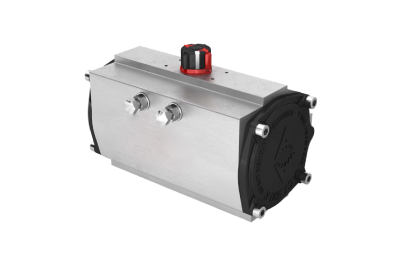
A single-acting cylinder is a linear actuator that uses compressed air or hydraulic fluid to generate force and move its piston in only one direction. During the power stroke, pressurized fluid enters the cylinder, pushing the piston to perform work such as lifting, pushing, or clamping. The return stroke does not require fluid pressure; instead, it is achieved through an internal spring mechanism, gravity, or an external mechanical load. Because of this simple design, single-acting cylinders are cost-effective, energy-efficient, and easy to maintain, making them ideal for applications with light loads and short stroke requirements.
double acting cylinder
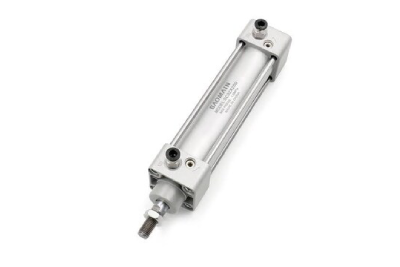
A double-acting cylinder is a linear actuator that uses pressurized fluid—either pneumatic, using compressed air, or hydraulic, using oil—to generate force and move its piston in both extension and retraction directions. Fluid pressure is alternately applied to each side of the piston, allowing controlled motion in both directions. This bidirectional operation provides greater versatility, accuracy, and consistent force output compared to single-acting cylinders. Double-acting cylinders are ideal for applications where precise control, higher loads, or reliable return strokes are required. They are widely used in industrial automation, manufacturing equipment, construction machinery, and material handling systems where external forces are unavailable or insufficient.
Standard cylinder
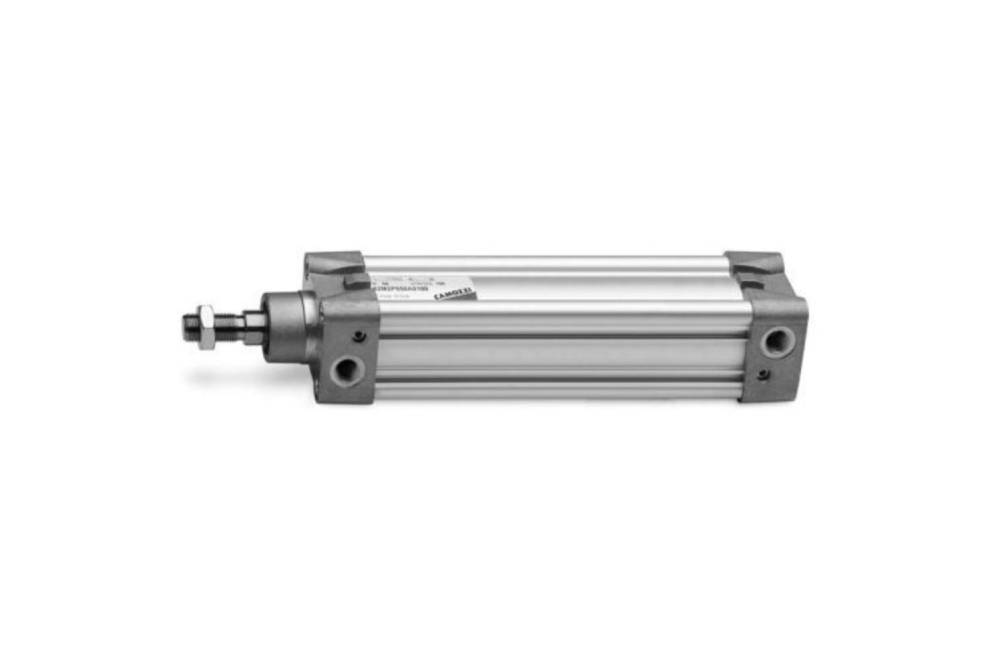
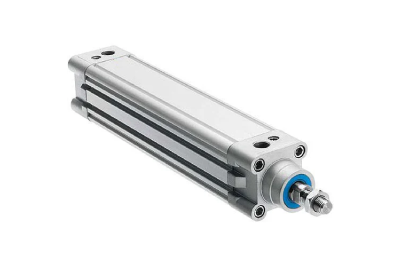
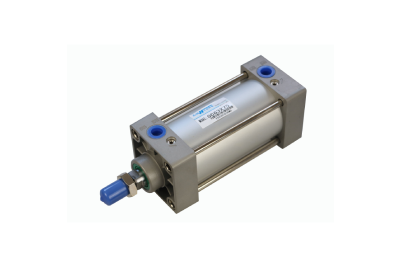
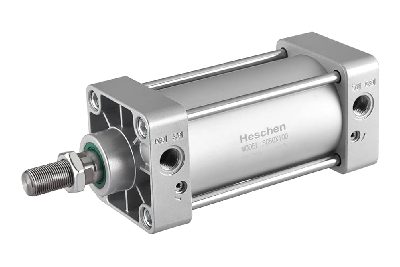
A standard pneumatic cylinder is a linear actuator designed and manufactured in accordance with internationally recognized dimensional and performance specifications, primarily established by the International Organization for Standardization (ISO). These standards define critical aspects such as mounting dimensions, bore sizes, stroke lengths, and operating characteristics. By adhering to ISO guidelines, pneumatic cylinders from different manufacturers become interchangeable, allowing engineers to replace or upgrade components without redesigning entire systems. This standardization simplifies system integration, reduces downtime during maintenance, and lowers inventory costs. Standard pneumatic cylinders are widely used in industrial automation, packaging, assembly lines, and material handling applications due to their reliability, compatibility, and ease of installation.
Compact cylinder
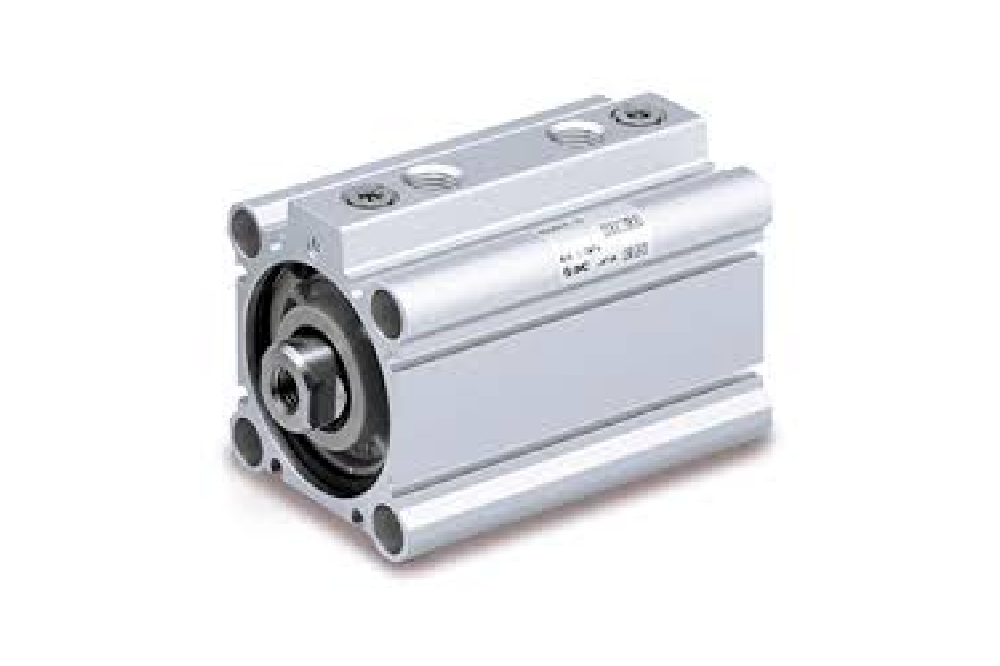
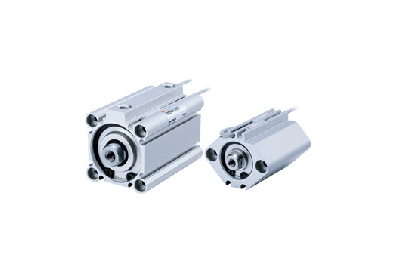
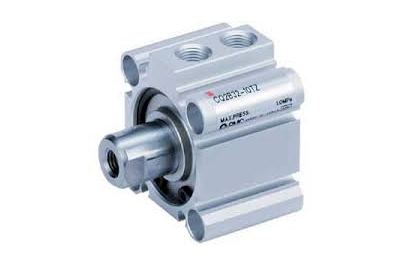
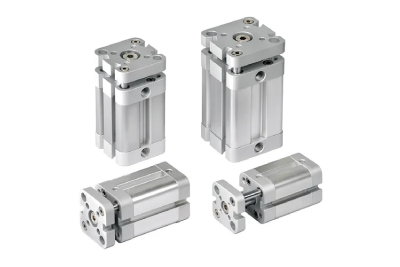
Pneumatic compact cylinders are linear actuators specially designed with a much shorter overall axial length compared to standard cylinders, while maintaining similar bore sizes and stroke capabilities. Their compact construction allows them to deliver reliable force and controlled motion in applications where installation space is severely limited. Despite their small size, these cylinders provide efficient performance and precise operation. Pneumatic compact cylinders are commonly used in automation systems, assembly lines, packaging machinery, and robotics where space constraints are critical. Their lightweight design, easy mounting options, and quick response make them an ideal solution for modern industrial environments requiring high performance in confined spaces.
SLIM CYLINDER
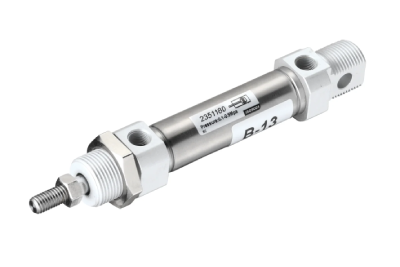
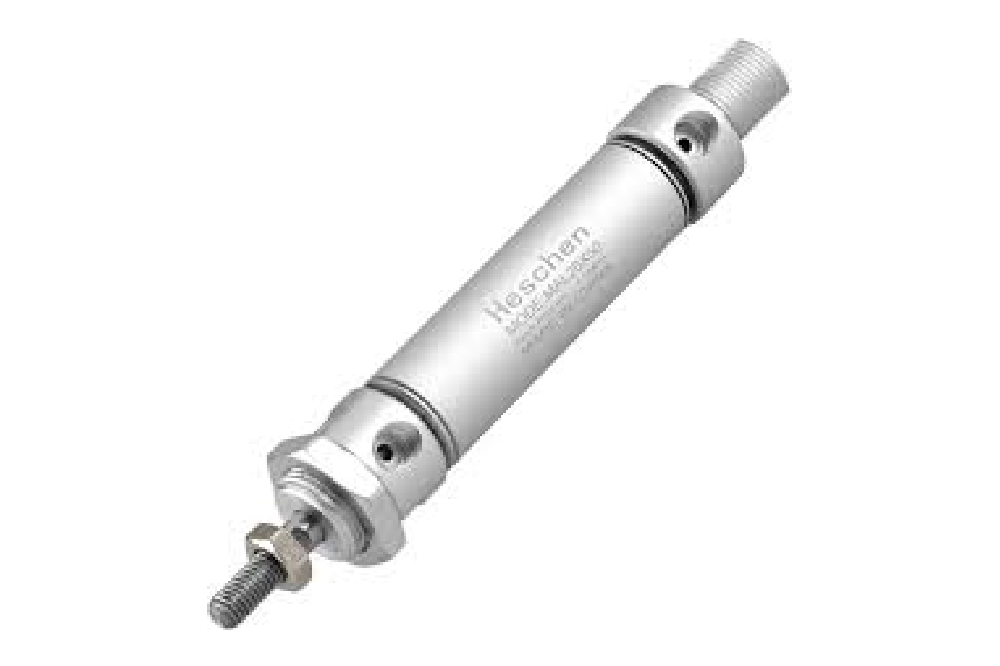
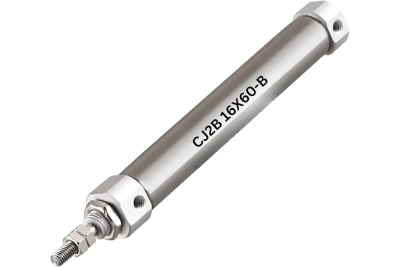
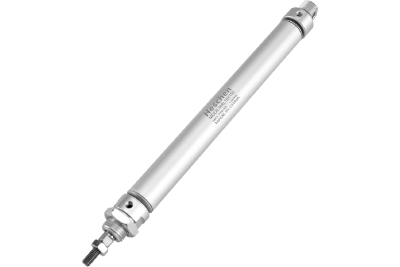
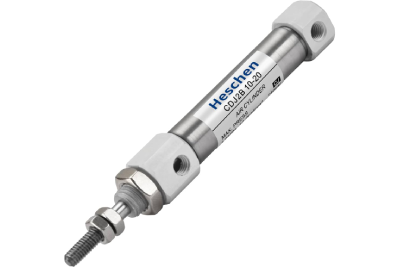
Pneumatic slim cylinders, commonly known as slim or mini cylinders, are compact linear actuators featuring a small, often round body design with reduced bore sizes. They are specifically engineered for installations where space is limited and standard cylinders, such as those complying with ISO 15552 specifications, cannot be accommodated. Despite their compact form, slim cylinders provide reliable and precise linear motion for light to moderate loads. They are widely used in automation equipment, pick-and-place systems, electronics manufacturing, and light assembly applications. Their lightweight construction, fast response, and flexible mounting options make pneumatic slim cylinders ideal for high-speed operations in confined industrial environments.
FREE MOUNT CYLINDER
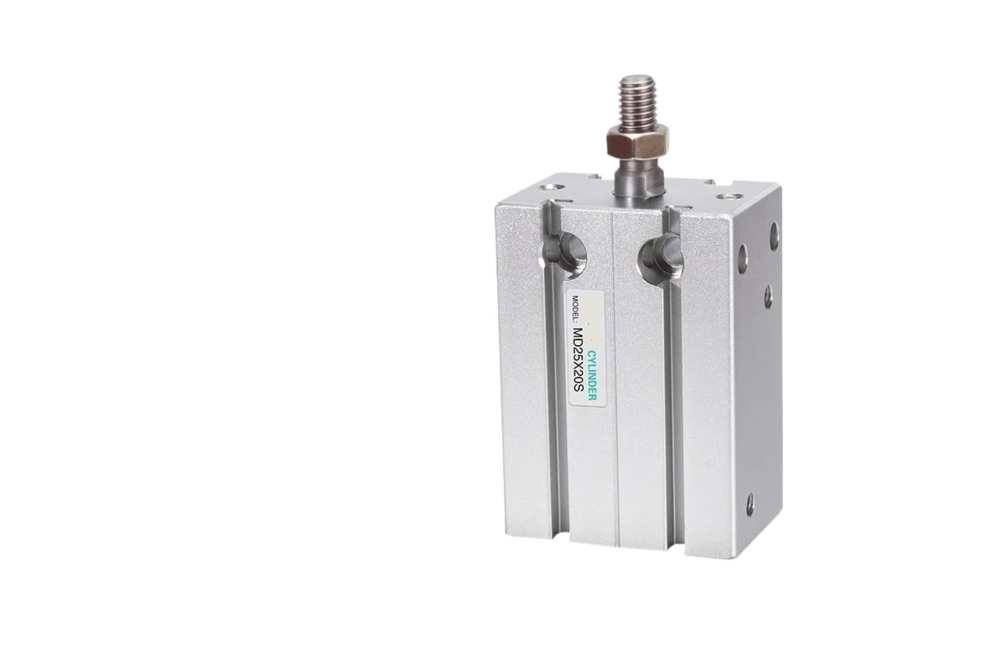
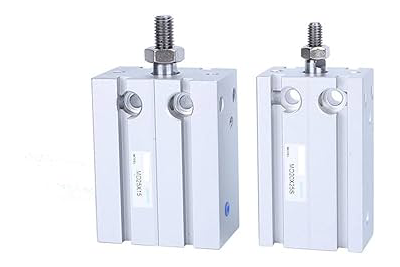
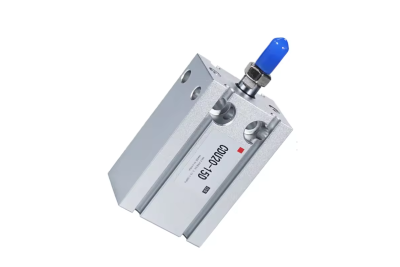
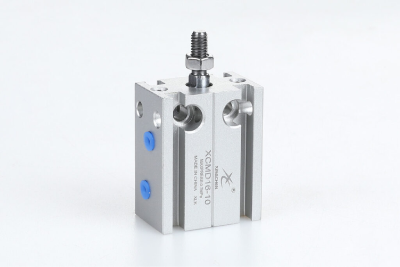
A pneumatic free-mount cylinder is a compact air cylinder designed to provide maximum installation flexibility and efficient use of space. Unlike traditional pneumatic cylinders, it can be mounted directly onto almost any surface without requiring additional mounting brackets or accessories. This design simplifies installation, reduces component count, and minimizes overall system size. Pneumatic free-mount cylinders are ideal for applications with limited space or unconventional mounting requirements. They deliver reliable linear motion for light to moderate loads and are commonly used in automation systems, packaging machines, and compact assemblies. Their versatility, ease of integration, and clean design make them a practical solution for modern industrial applications.
DUAL ROAD CYLINDER
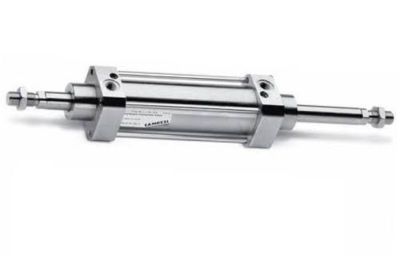
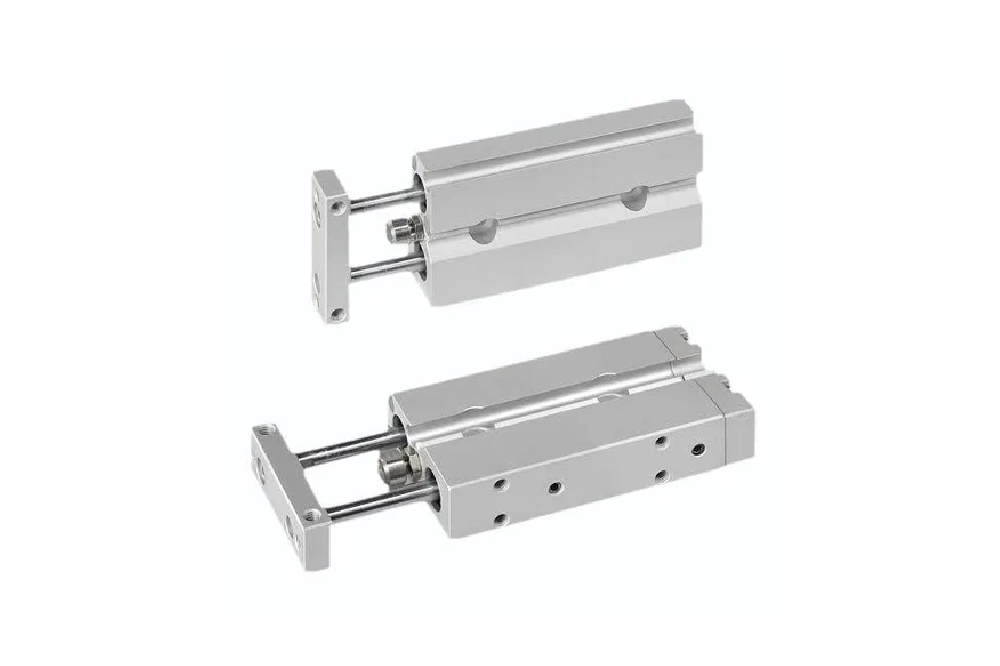
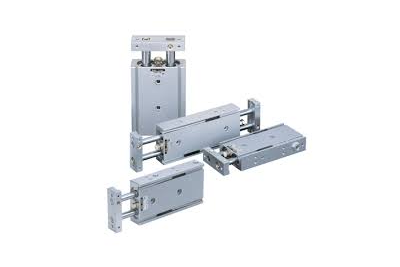
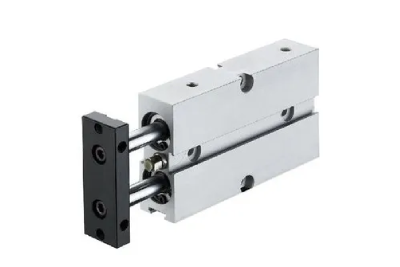
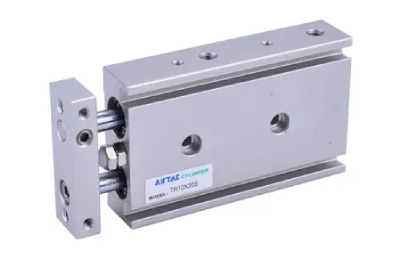
A pneumatic dual-rod cylinder, also called a twin-rod or double-rod air cylinder, is a linear actuator designed with two parallel piston rods extending from one or both ends of the cylinder body. This configuration significantly improves stability and guiding accuracy during operation. By distributing the load evenly across both rods, the cylinder offers greater resistance to side loads, bending, and twisting forces than a single-rod design. Pneumatic dual-rod cylinders are ideal for applications requiring precise linear motion, high repeatability, and controlled movement. They are widely used in pick-and-place systems, clamping mechanisms, and automated machinery where alignment and durability are critical.
ROTARY CYLINDER
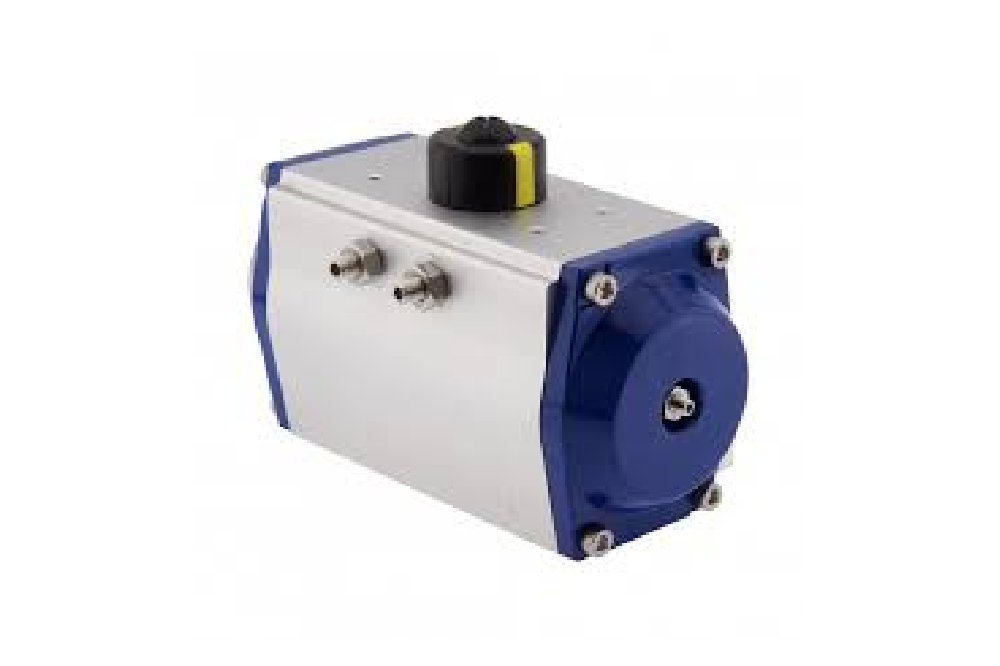
A pneumatic rotary cylinder, commonly known as a pneumatic rotary actuator, is a mechanical device that converts the linear force and energy of compressed air into controlled rotational or angular motion. Instead of producing straight-line movement, it generates torque to rotate shafts, arms, or attached components through a defined angle. This conversion is typically achieved using rack-and-pinion or vane mechanisms. Pneumatic rotary actuators offer precise positioning, adjustable rotation angles, and smooth operation. They are widely used in automation systems, valve control, material handling, and assembly machinery where reliable and repeatable rotational movement is required. Their compact design, fast response, and durability make them ideal for industrial applications.
Magnetic coupled rodless cylinder
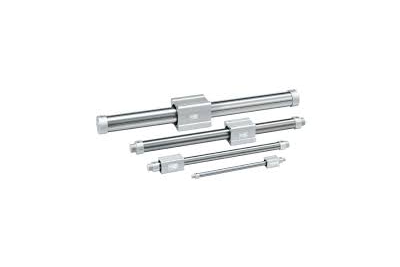
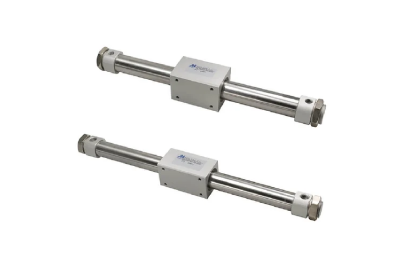
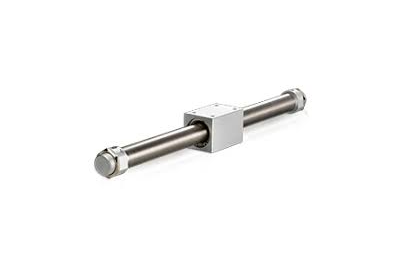
A magnetically coupled rodless cylinder is a linear actuator designed to produce motion without an external piston rod, allowing significant savings in installation space. Instead of a protruding rod, the cylinder uses powerful magnetic coupling to transfer movement from an internal piston to an external carriage that travels along the cylinder body. This design enables long stroke lengths while maintaining a compact footprint. Magnetically coupled rodless cylinders provide smooth, precise, and quiet operation, making them suitable for clean and space-restricted environments. They are commonly used in automation systems, packaging equipment, material handling, and conveyor applications where efficient linear motion and minimal space usage are essential.
Compact guide cylinder
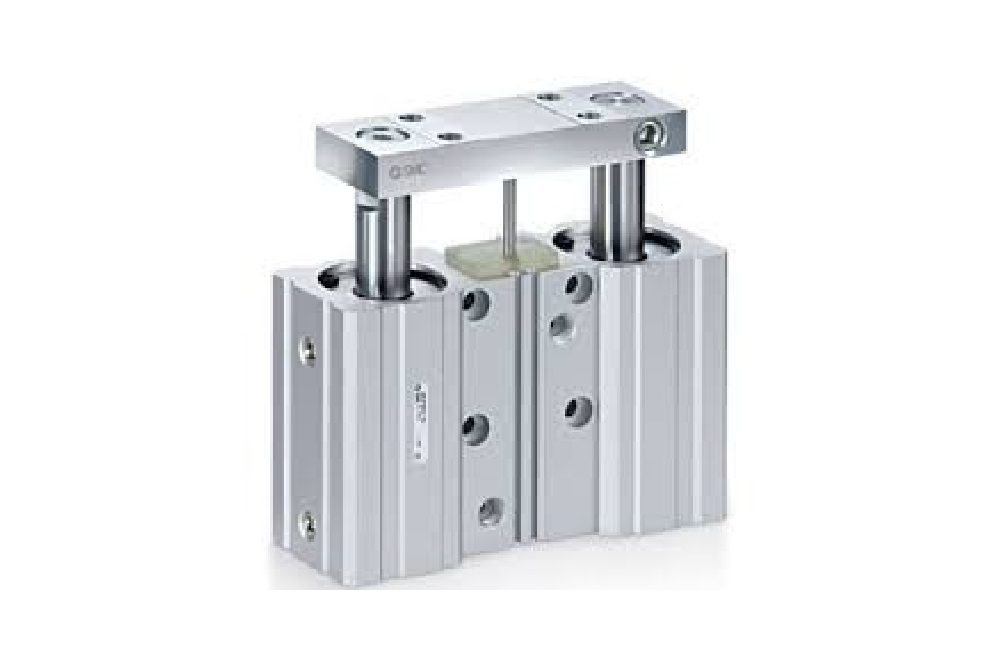
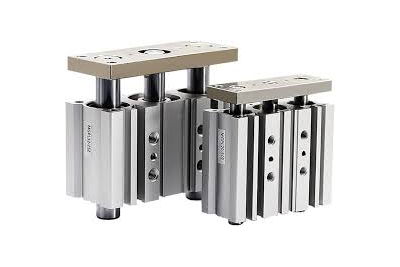
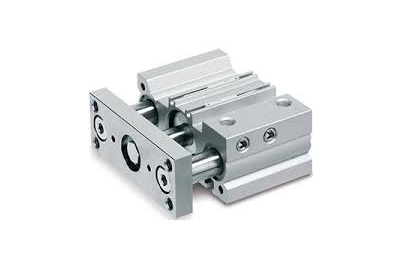
A pneumatic compact guide cylinder is a specialized linear actuator that integrates a compact air cylinder with a built-in guiding mechanism, such as guide rods or linear bearings, into one space-efficient unit. This combined design ensures precise, non-rotating linear motion while offering excellent resistance to lateral loads, bending forces, and moments. By eliminating the need for external guides, it simplifies system design and reduces installation space. Pneumatic compact guide cylinders are ideal for applications requiring high accuracy, stability, and repeatability. They are widely used in pick-and-place systems, clamping devices, assembly automation, and precision machinery where controlled motion and durability are essential.
Clamping cylinder
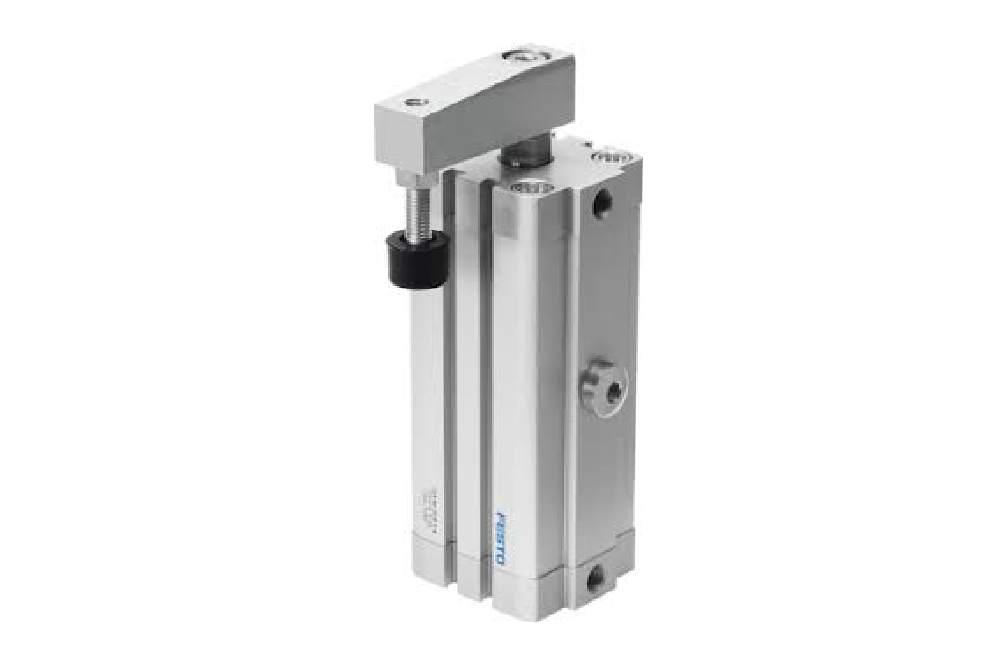
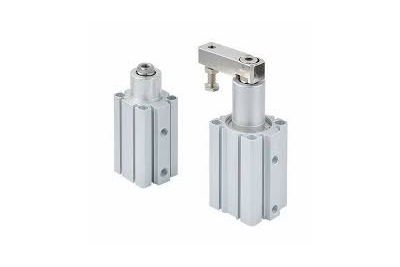
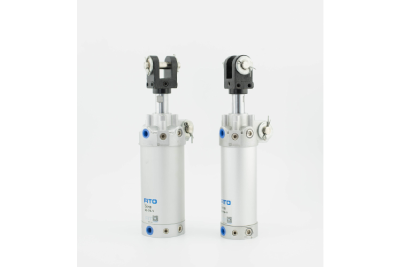
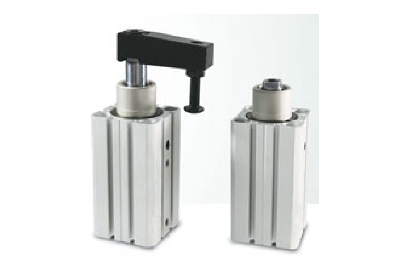
Pneumatic clamping cylinders are specialized actuators designed to securely grip, hold, or position workpieces during manufacturing operations such as welding, machining, and assembly. They use compressed air to generate fast and reliable clamping action, ensuring consistent holding force throughout the process. Many clamping cylinders incorporate mechanical linkages or toggle mechanisms that multiply the applied pneumatic force, allowing them to achieve high holding strength in a compact form. Their quick response, durability, and space-saving design make pneumatic clamping cylinders ideal for automated production lines, fixtures, jigs, and robotic systems where precision, safety, and repeatability are critical.
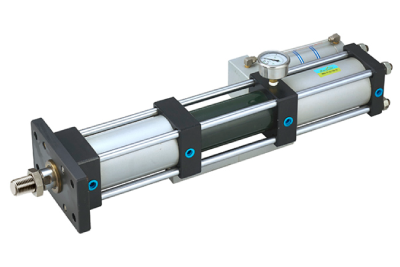
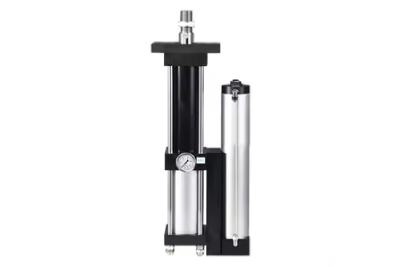
hydro-pneumatic boosting cylinder
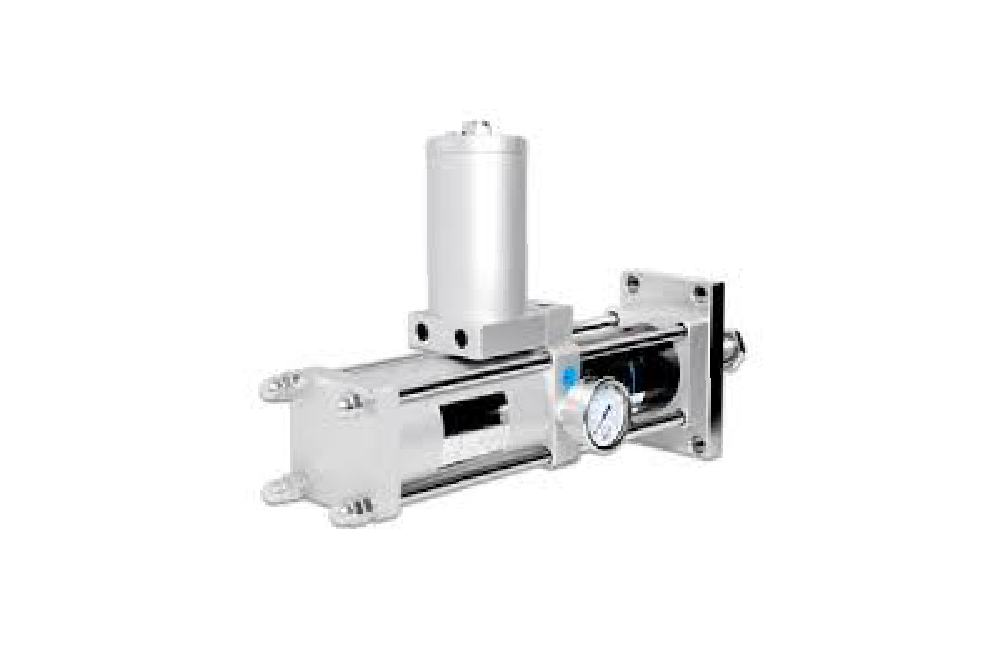
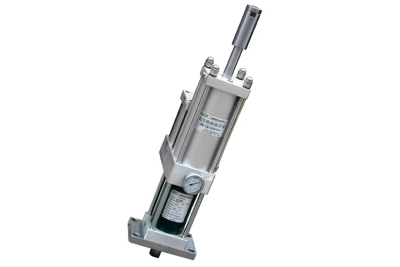
A pneumatic air and liquid increasing cylinder, commonly referred to as an air-over-oil intensifier or hydro-pneumatic boosting cylinder, is a hybrid actuator that combines pneumatic and hydraulic principles. It uses low-pressure compressed air to drive a piston that pressurizes an internal oil chamber, producing a much higher hydraulic output force or pressure. This design delivers smooth, controlled motion with significantly increased force compared to standard pneumatic cylinders. Air-over-oil cylinders are ideal for applications requiring high force, precise control, and short working strokes, such as pressing, riveting, clinching, and forming operations. They offer an efficient solution where full hydraulic systems are impractical or unnecessary.
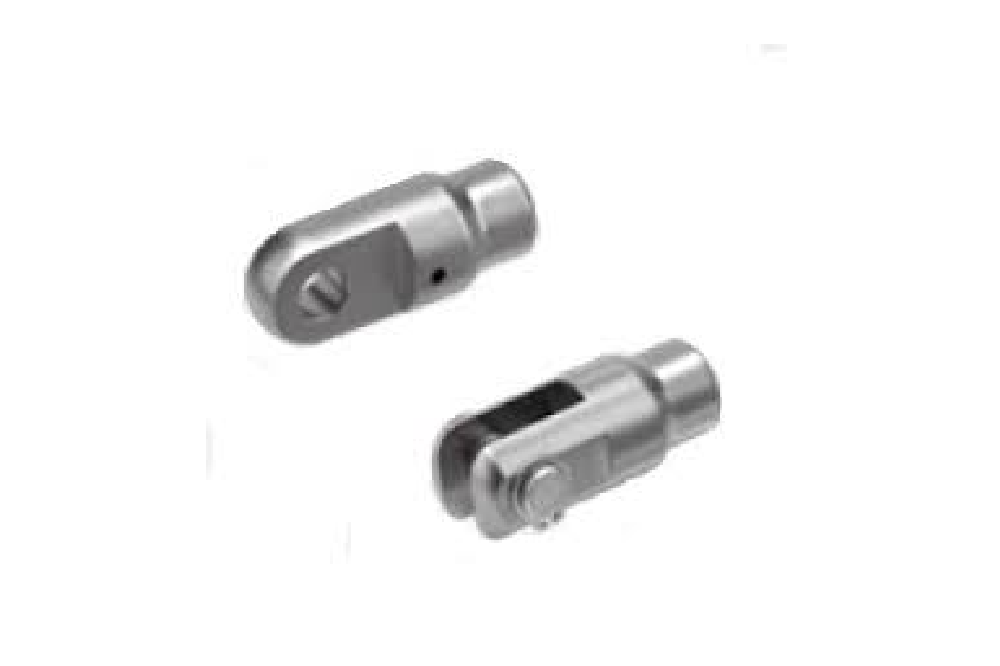
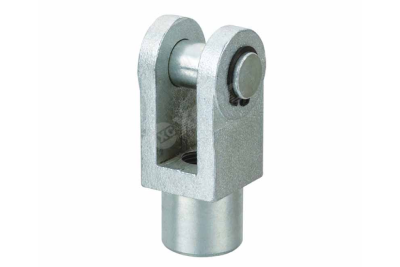
CYLINDER JOINTS
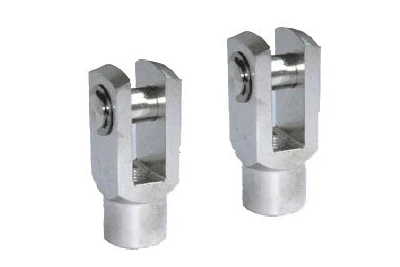
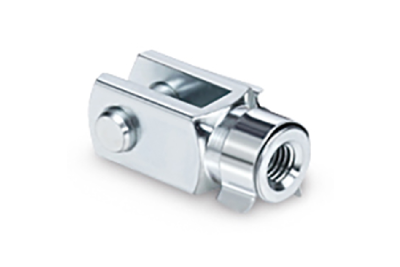
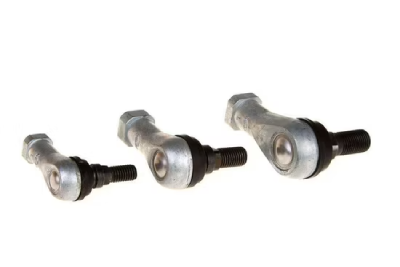
“I-joint” and “J-joint” are commonly used terms for pneumatic cylinder rod-end clevis or knuckle joint mounting accessories. These mechanical linkage components are fitted to the end of a cylinder’s piston rod to connect it securely to a machine frame or a moving application component. Their design allows controlled angular movement, enabling the cylinder to pivot during operation. This flexibility helps compensate for minor misalignment between the cylinder and the load, reducing side loads and wear on the piston rod and seals. I-joints and J-joints improve motion efficiency, extend cylinder service life, and are widely used in automation, machinery, and industrial equipment requiring smooth articulated movement.
FOOT BRACKETS
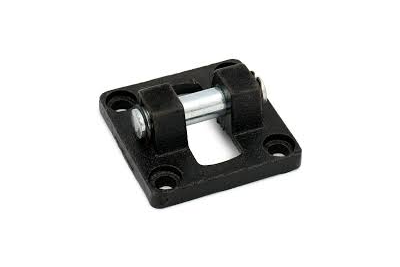
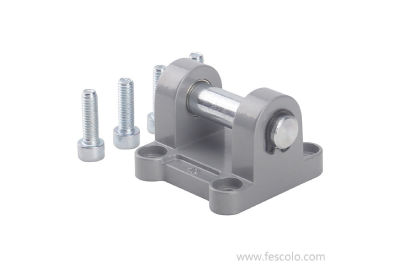
Foot brackets are mounting accessories designed to secure pneumatic cylinders parallel to a flat surface, providing a stable and rigid installation. They are typically attached to the base of the cylinder, ensuring proper alignment during both pushing and pulling operations. By firmly anchoring the cylinder, foot brackets help prevent movement, vibration, and misalignment during operation. This stability improves performance, accuracy, and service life of the cylinder. Foot brackets are widely used in industrial automation, material handling, and manufacturing equipment where consistent linear motion is required. Their simple design allows easy installation and maintenance, making them a practical and reliable mounting solution for various pneumatic cylinder applications.
BALL JOINTS
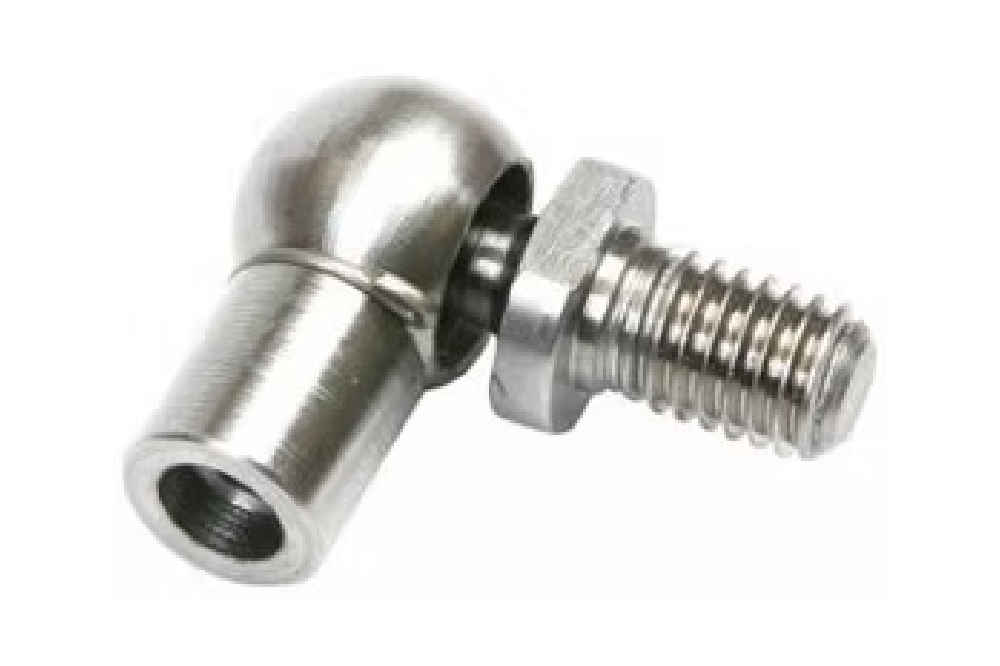
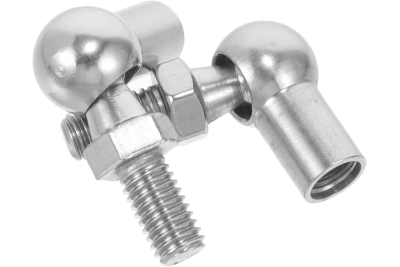
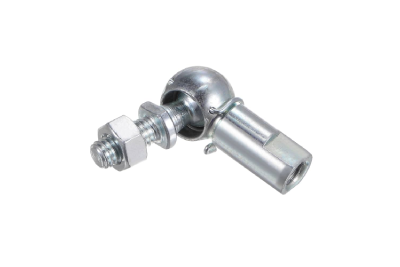
A ball joint for a pneumatic cylinder is a rod-end mounting accessory designed to allow significant angular movement and misalignment between the piston rod and the connected load. Its spherical design enables smooth multi-directional articulation, helping the cylinder adjust naturally during operation. By accommodating misalignment, the ball joint reduces side loads, bending stress, and wear on the piston rod, seals, and bearings. This improves operational efficiency and extends the service life of the cylinder. Ball joints also simplify installation by allowing flexible alignment in complex mechanisms. They are widely used in automation systems, machinery linkages, and industrial applications where precise yet adaptable motion is required.